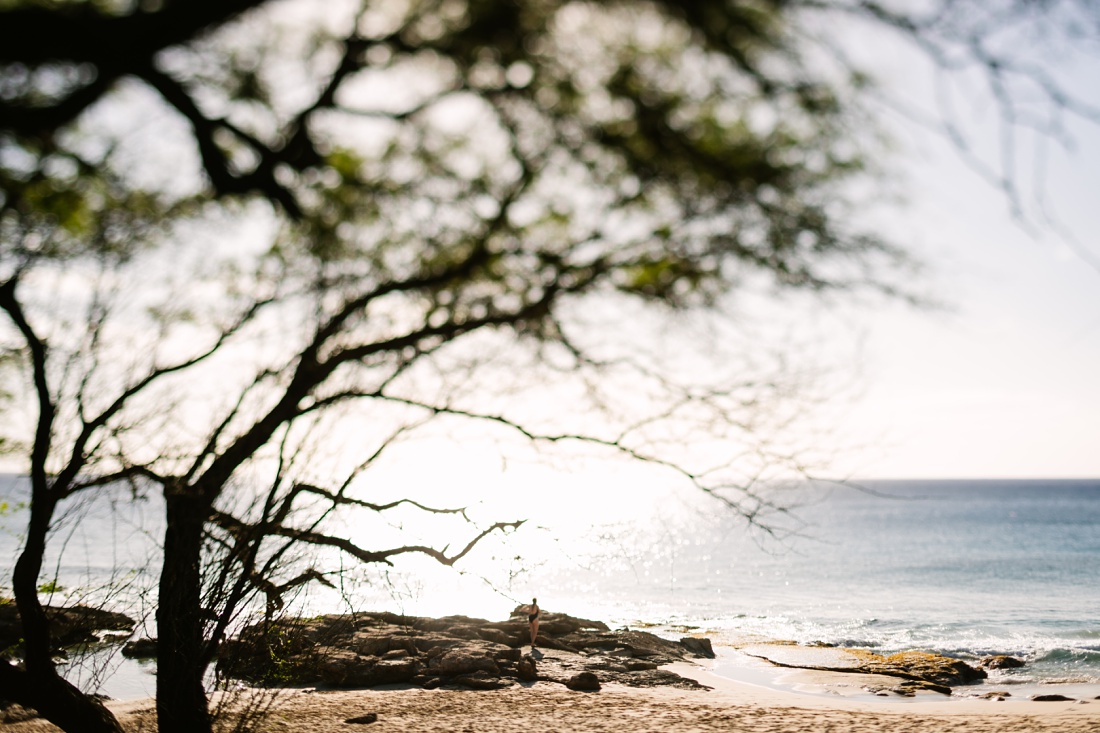
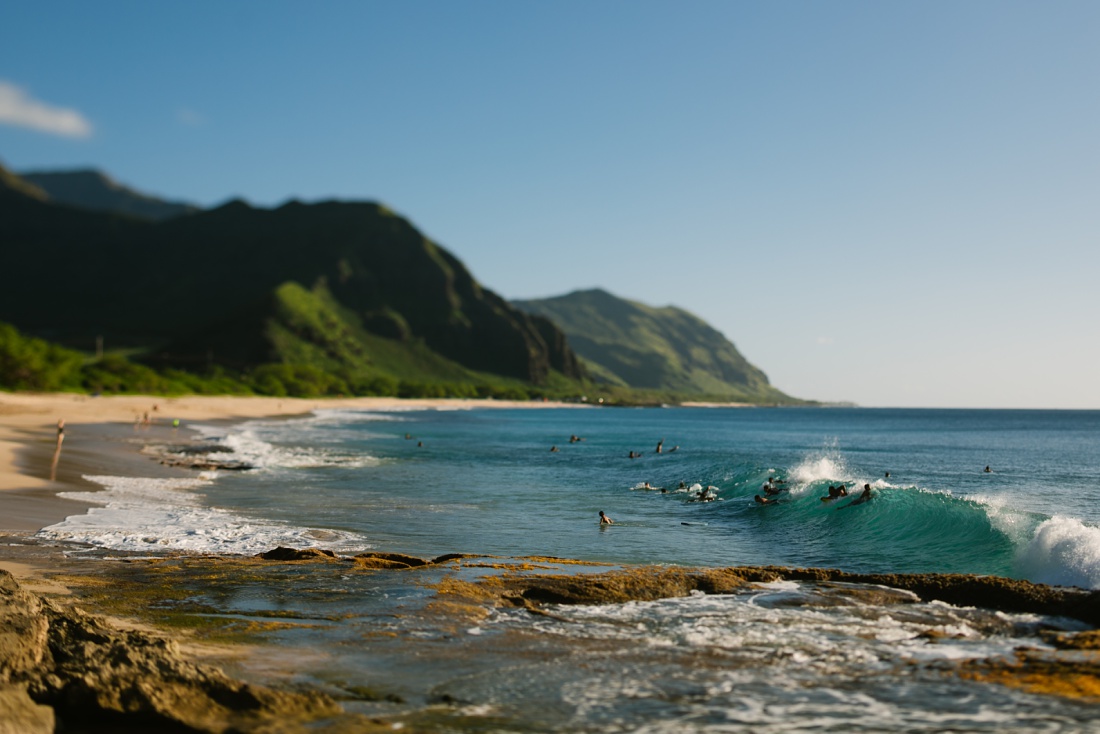
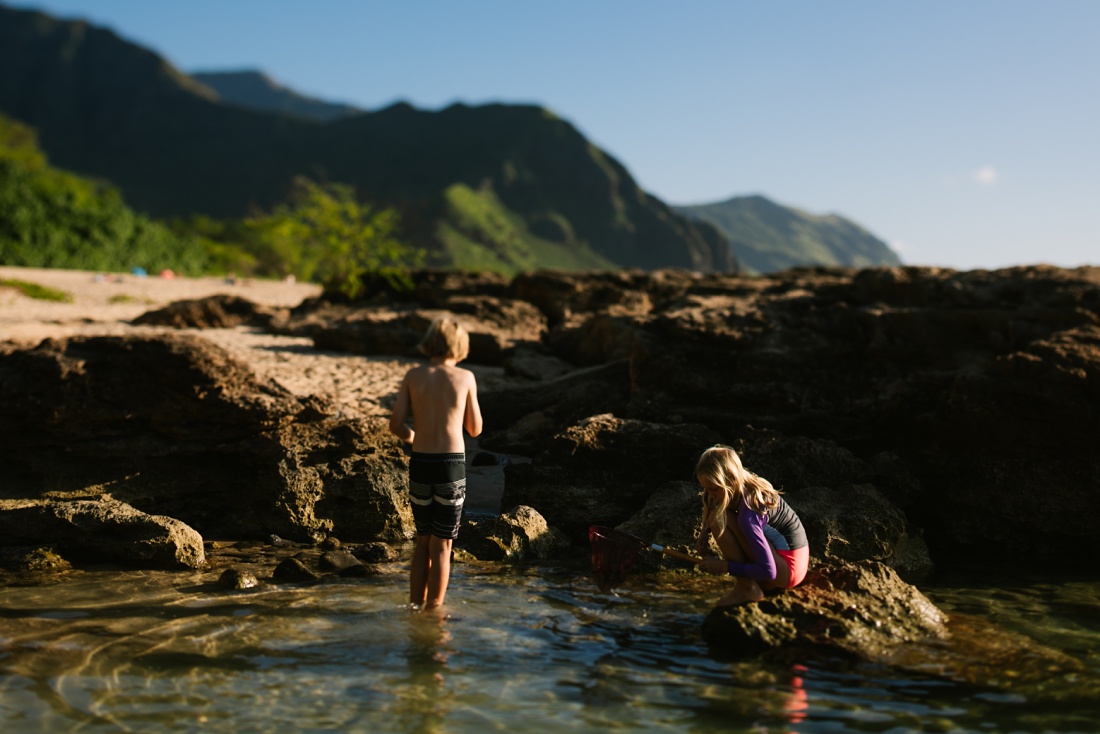
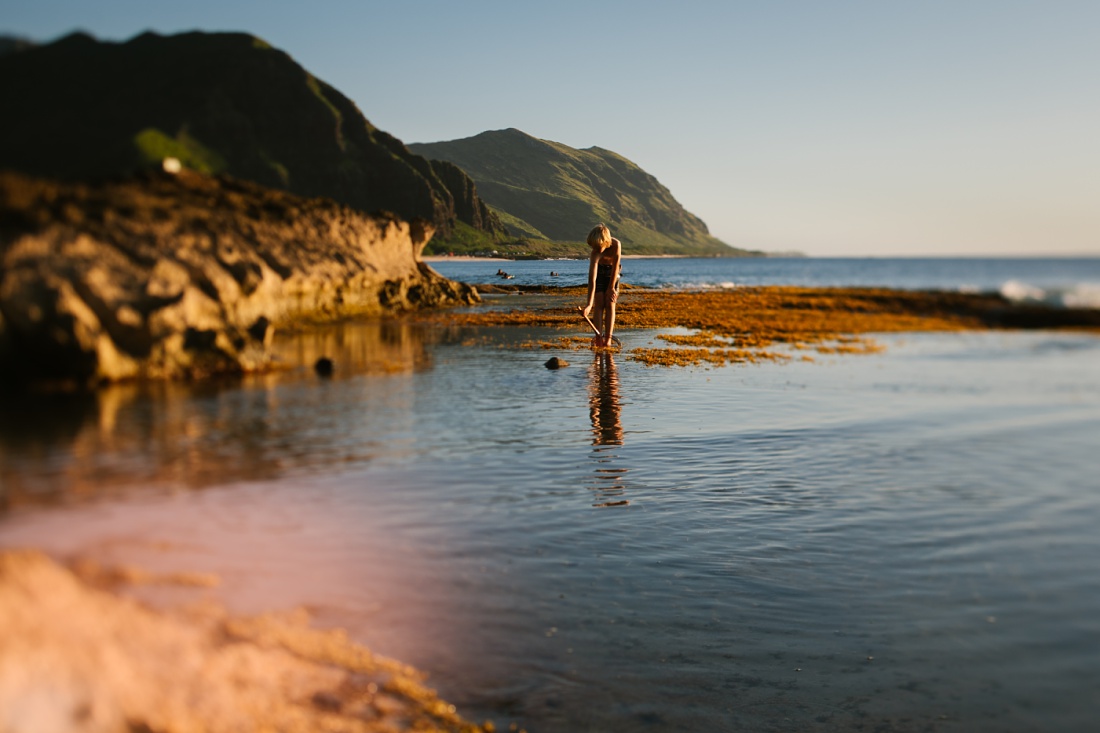
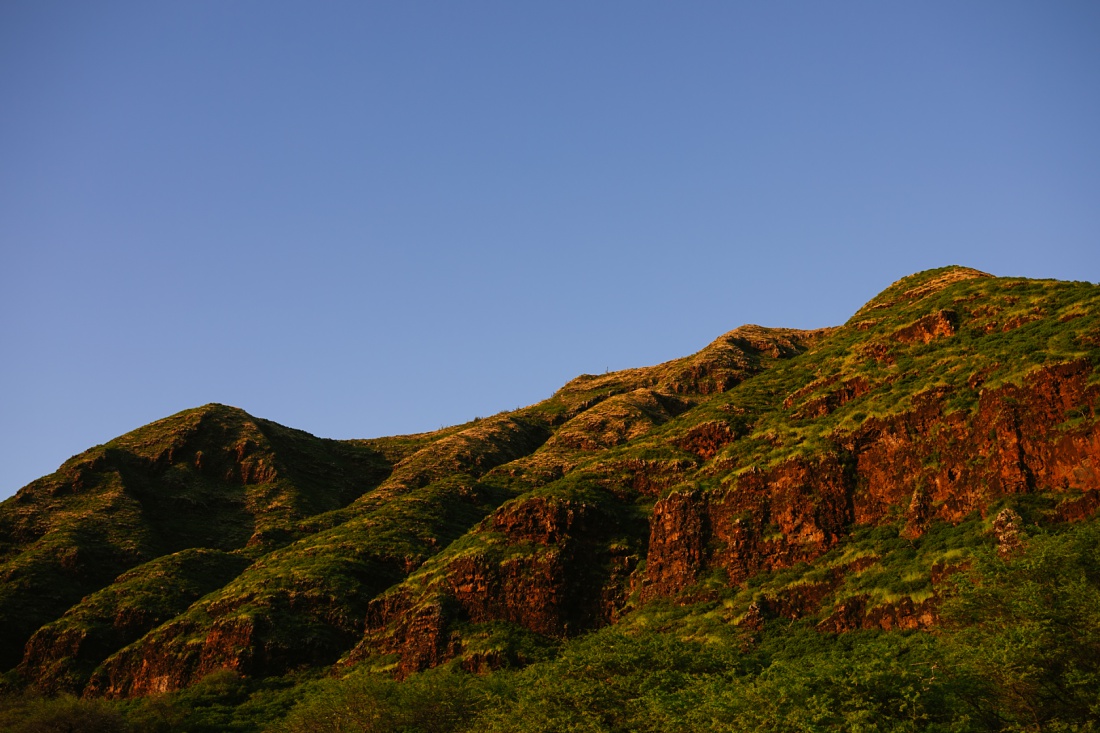
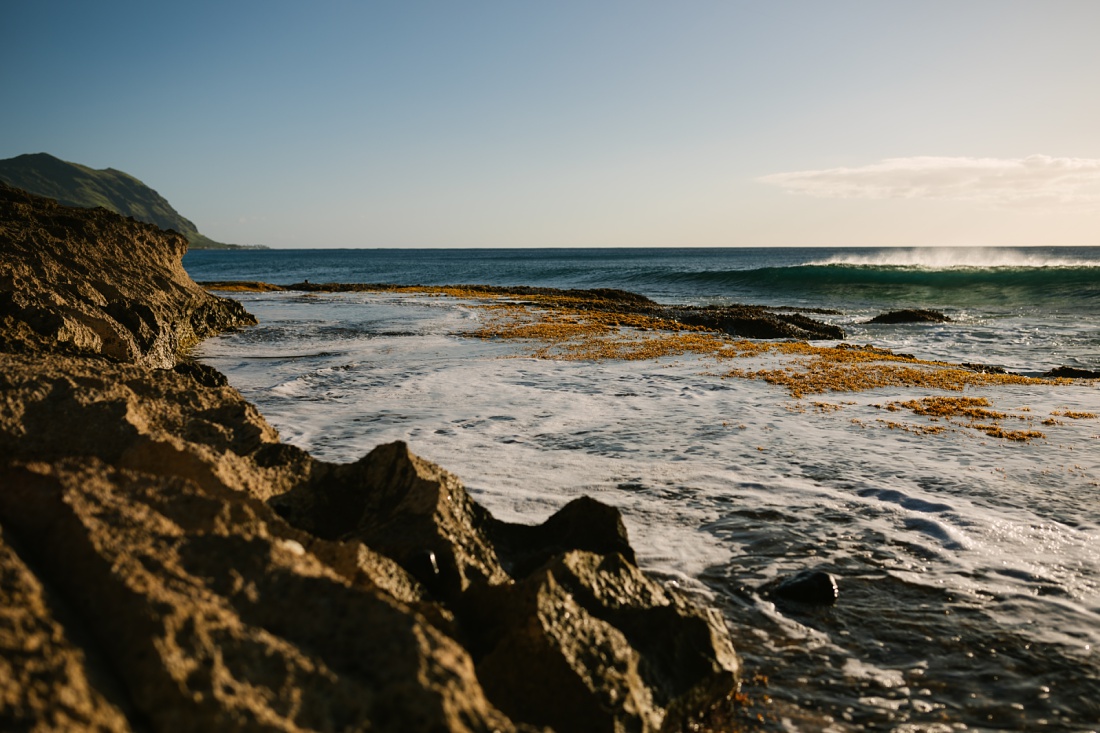
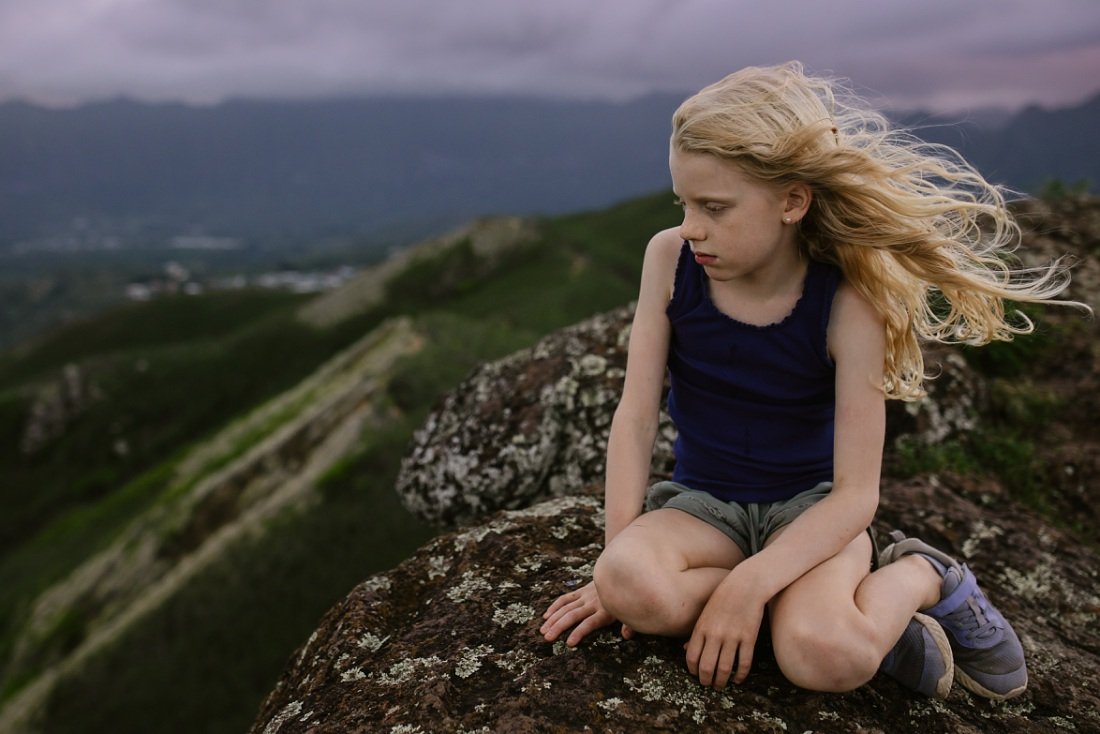
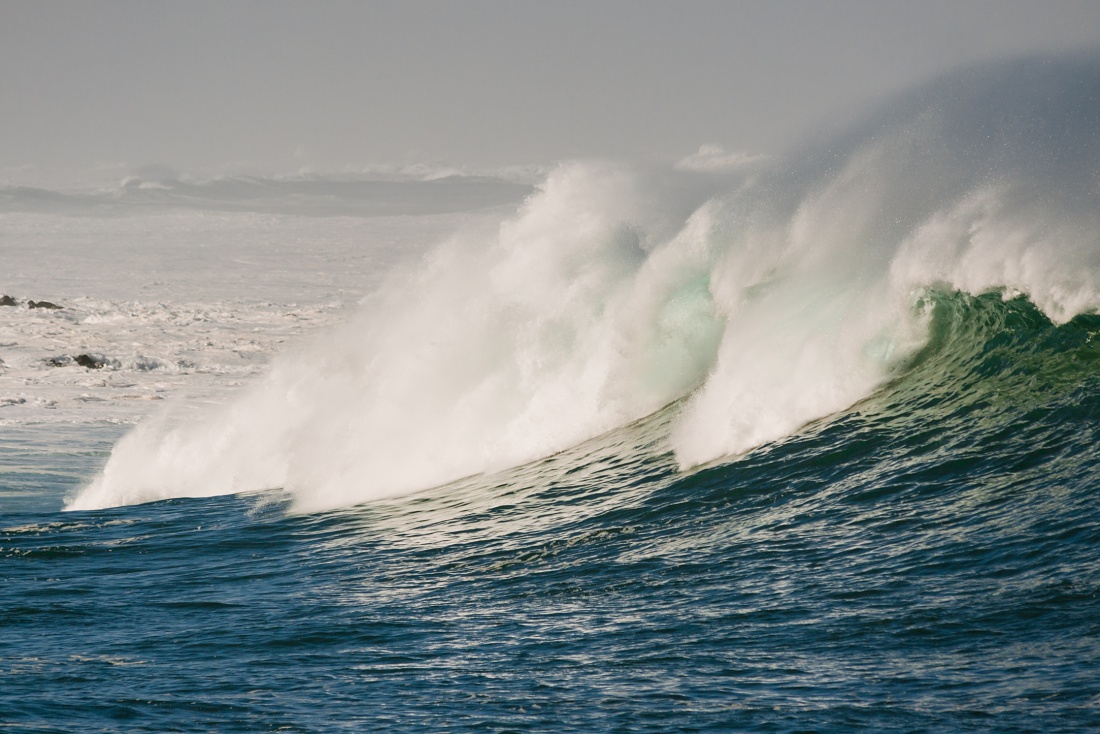
Makua Beach sits on the leeward coast of Oahu, backed by the steep green cliffs of the Waianae Mountains. It’s a long, exposed stretch of sand with powerful surf, a tidal shelf at the northern end that’s excellent for tide pooling at low tide, and spinner dolphins offshore on a good evening. There are no facilities here. Parking is roadside off Farrington Highway, the closest bathrooms are at Keawaula Beach, and the area has a high theft rate, so leave valuables at home. From Waikiki it’s about 70 minutes with no traffic, or around 40 minutes from Ko Olina. In exchange for the logistics, you get one of the most dramatic, uncrowded beaches on the island.
Escape the Crowds
You would think that living on a small island would encourage you to explore it regularly. Yet a trip from Kailua to town is rare for us while a trip to the North Shore may only happen a half dozen times a year. Most of our time is spent in a fairly small radius of our home. And we’re not alone. When I meet with other Kailua families, we talk about the north shore fondly as a far off land. But the leeward side of Oahu? That feels even farther.
On this particular Sunday, with the day stretched out before us, I browsed the weather report. Gloomy skies and high winds were uninspiring on the windward side, but conditions on the leeward side looked perfect. Similar to Waikiki, the leeward coast sits in the rain shadow of the mountains, meaning less rain and wind and more sunshine. We left the gloom behind and made the long drive west to Makua Beach.
A Perfect Beach Evening
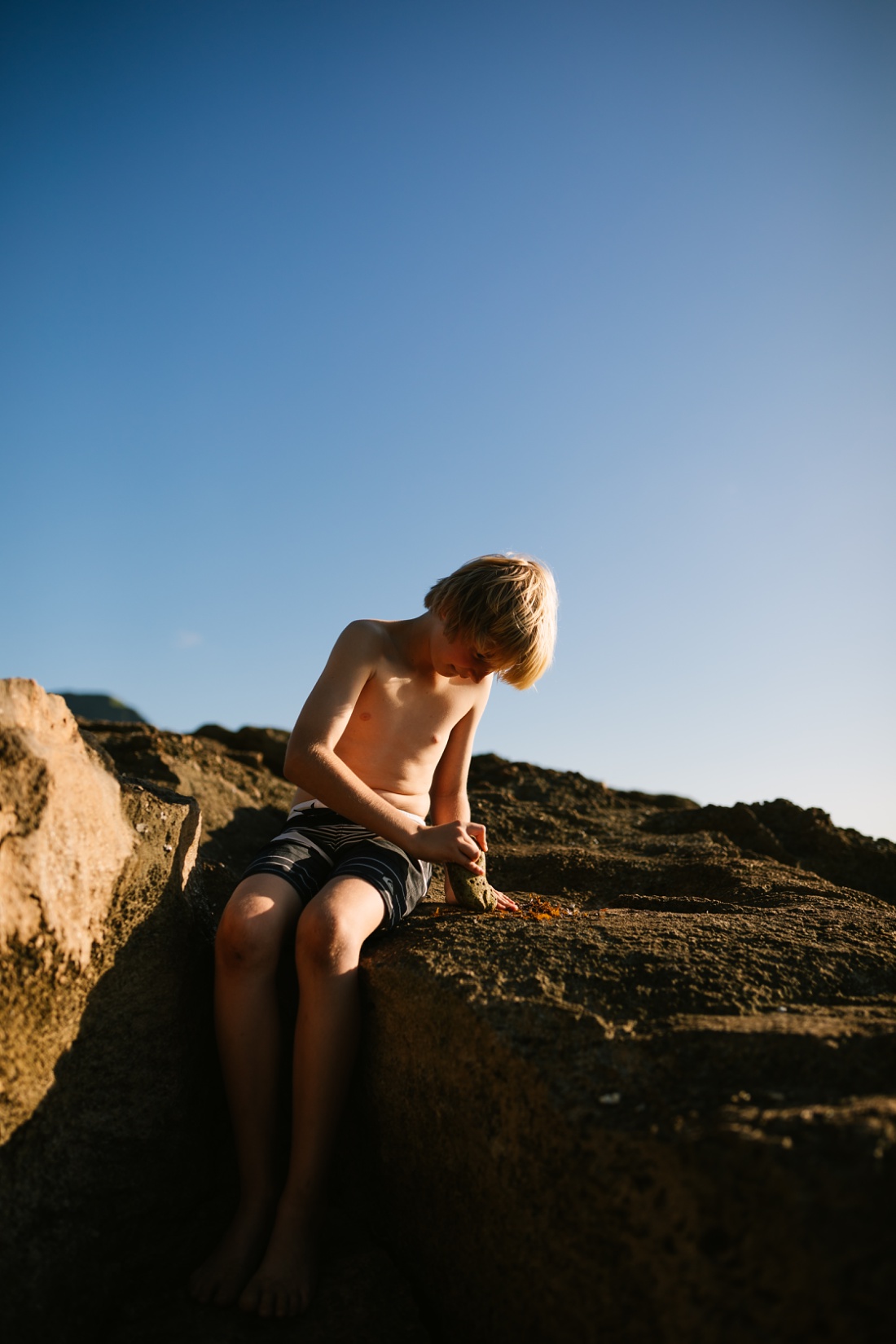
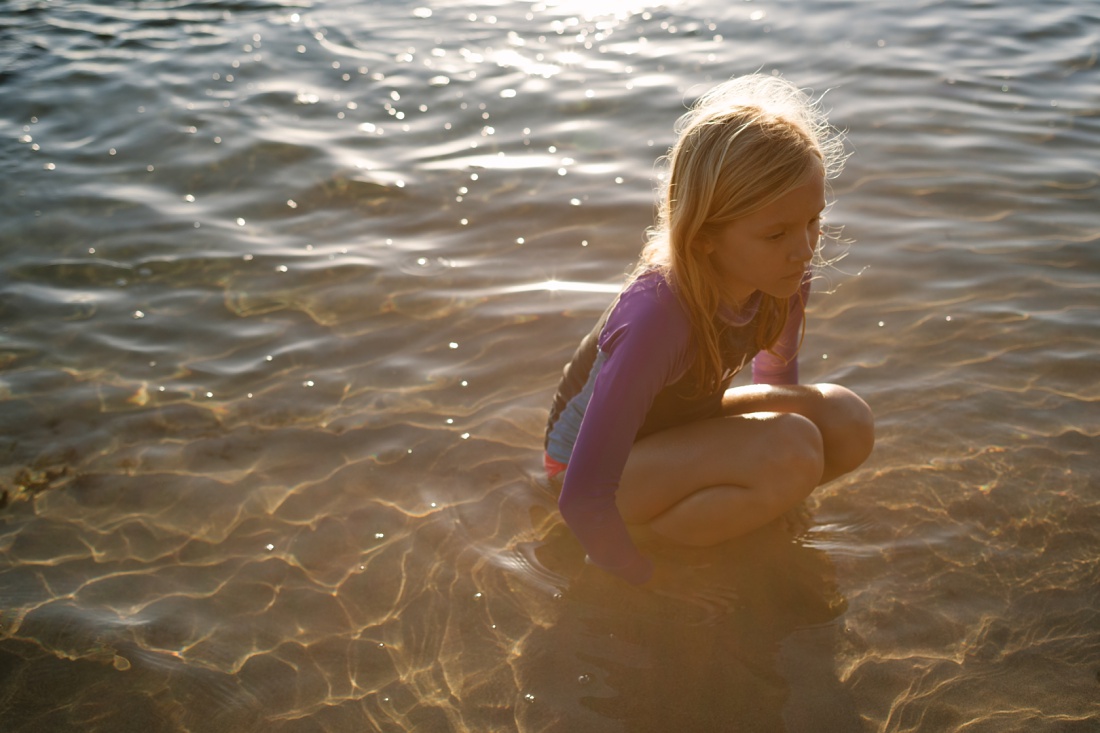
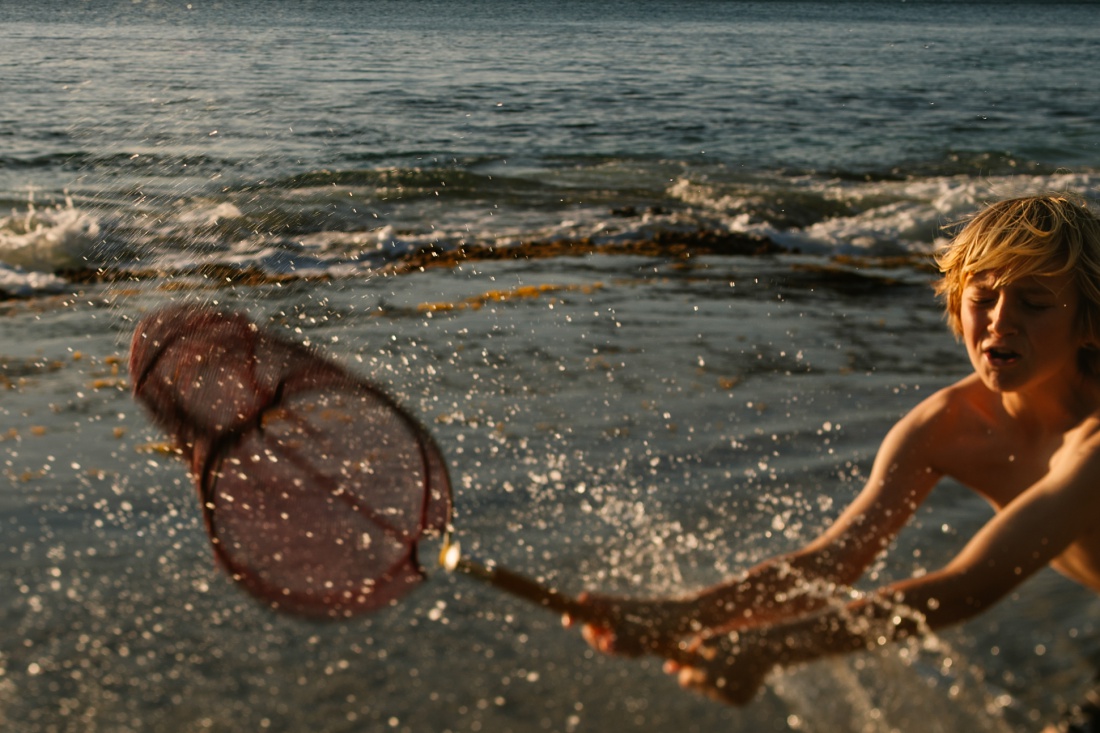
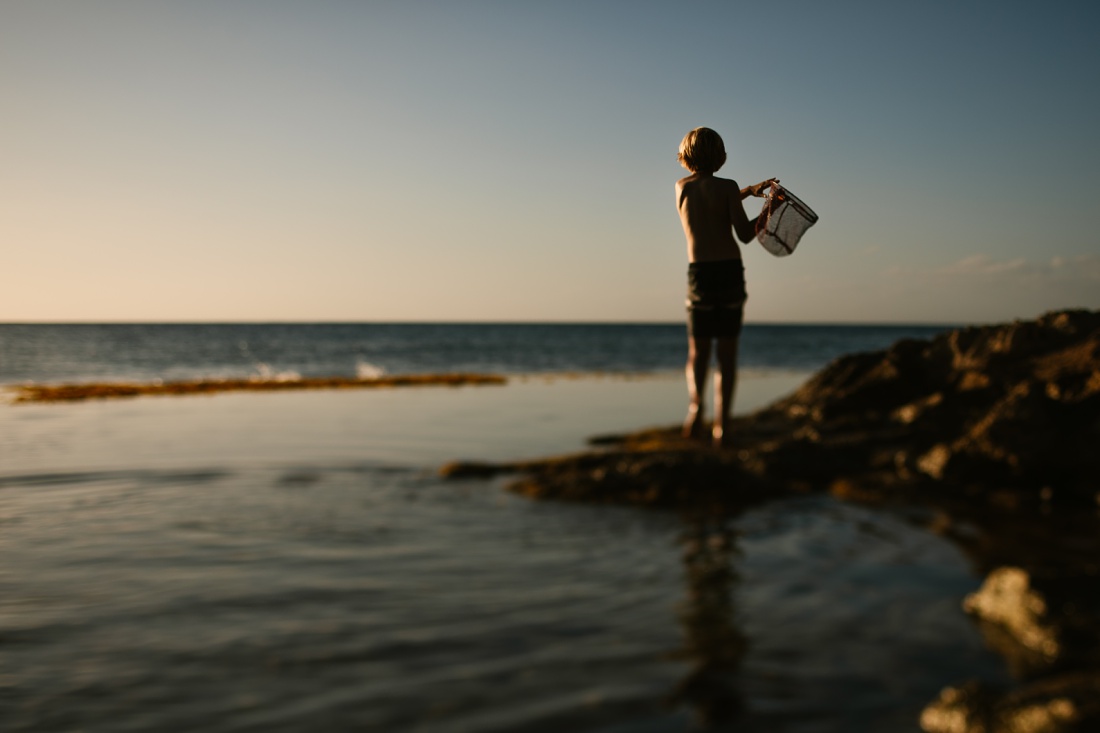
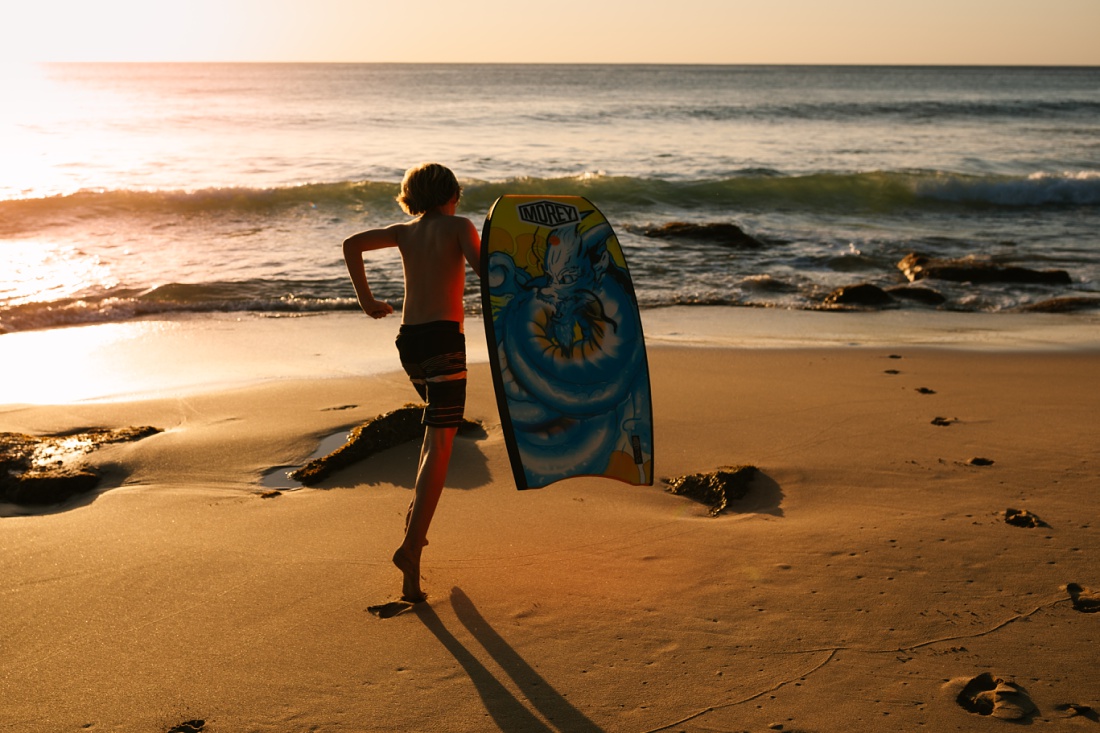
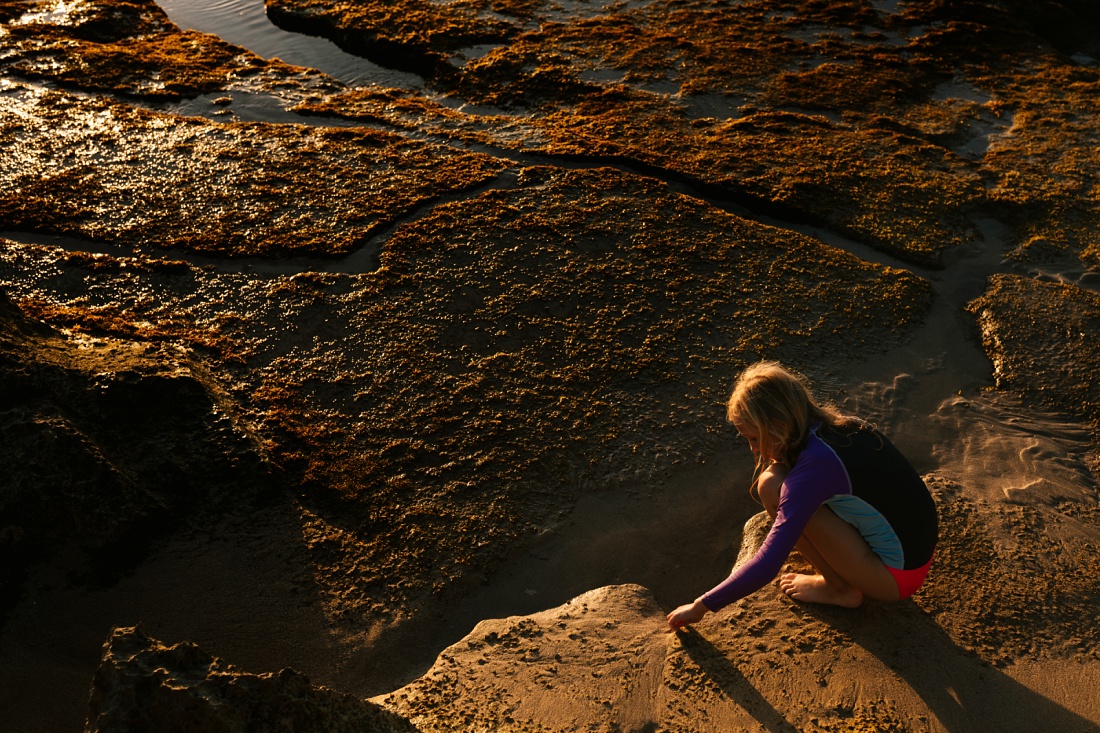
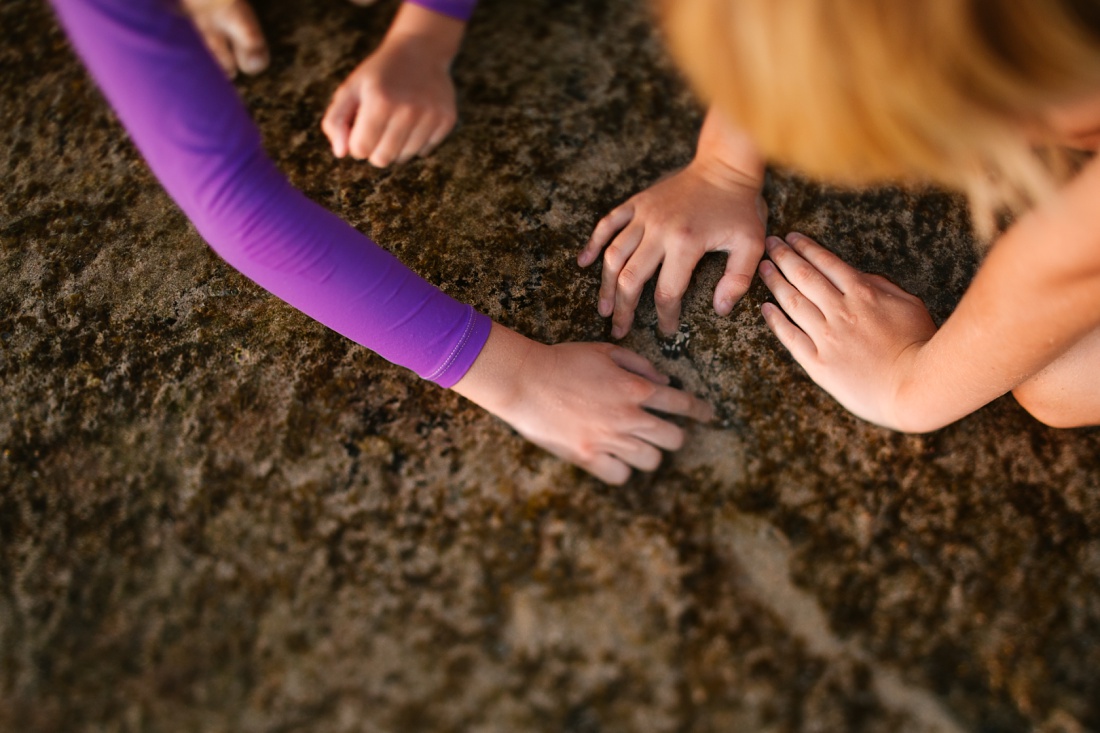
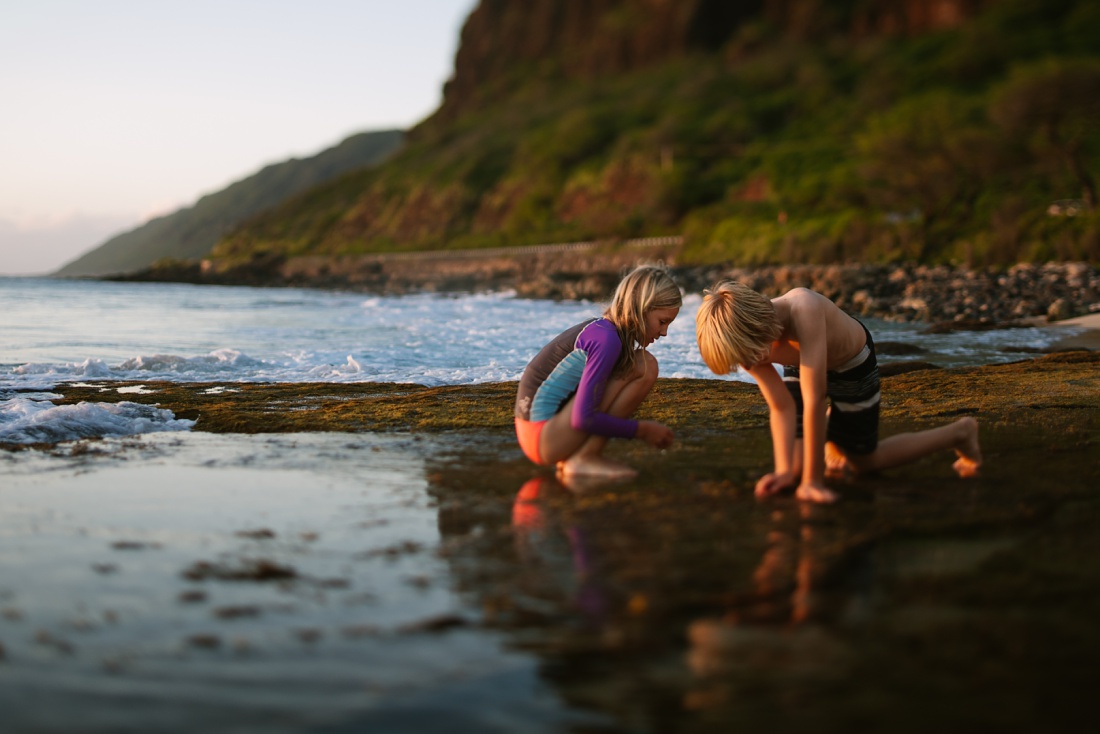
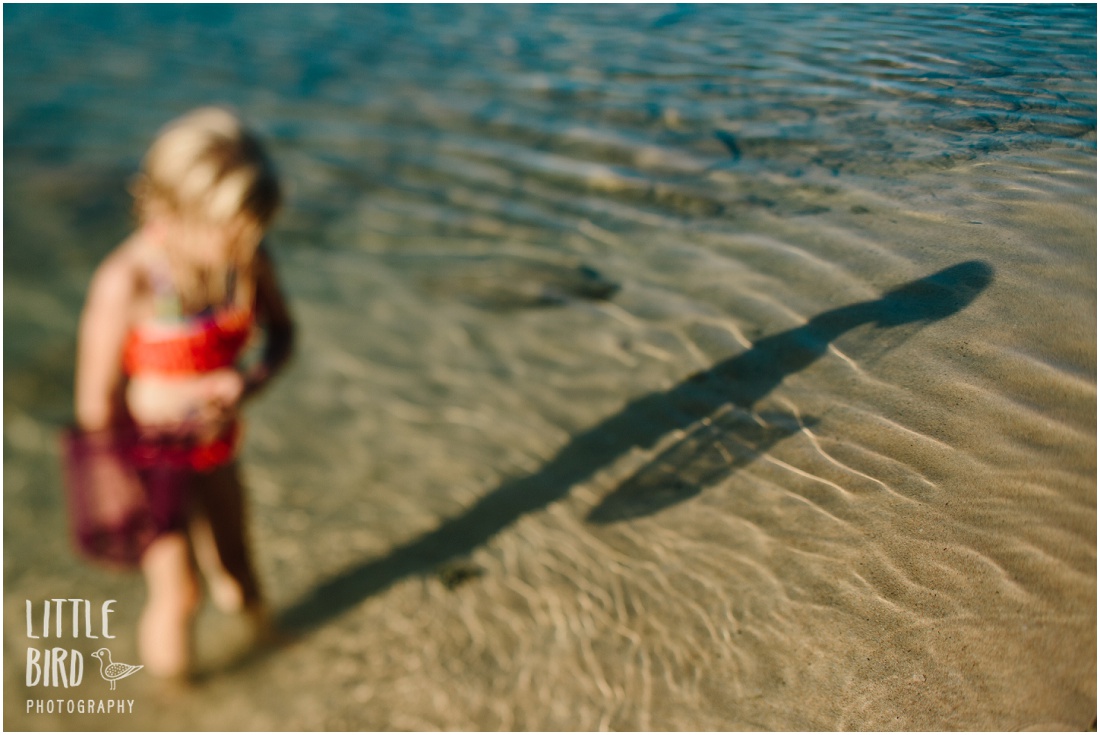
We arrived late as most of the beach crowd was leaving after a long day in the sun. The kids made an immediate beeline to the tidal shelf at the northern end, which was exposed at low tide. They immersed themselves in an imaginary world where they made potions of ground limu and sand to sell in a makeshift shop.
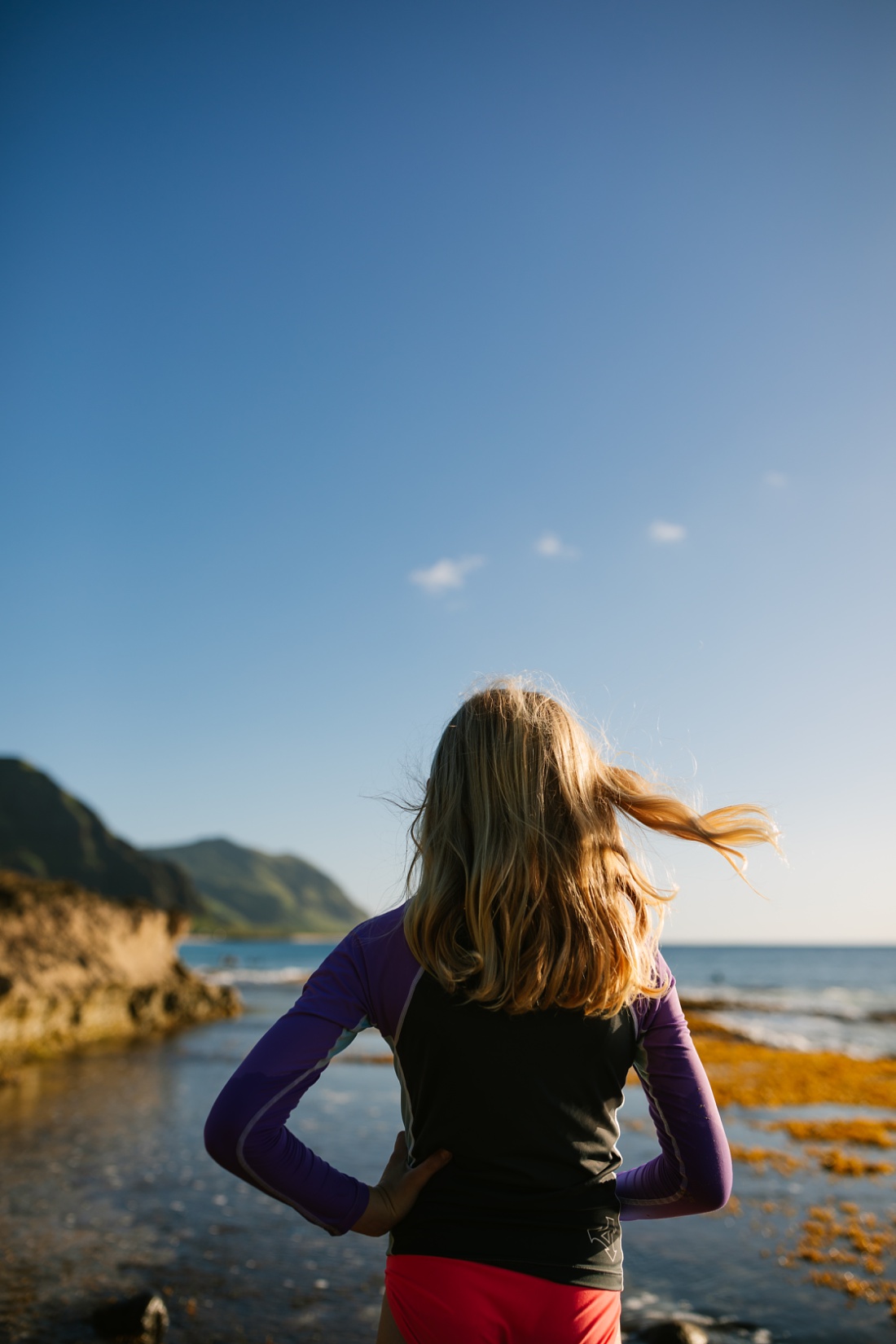
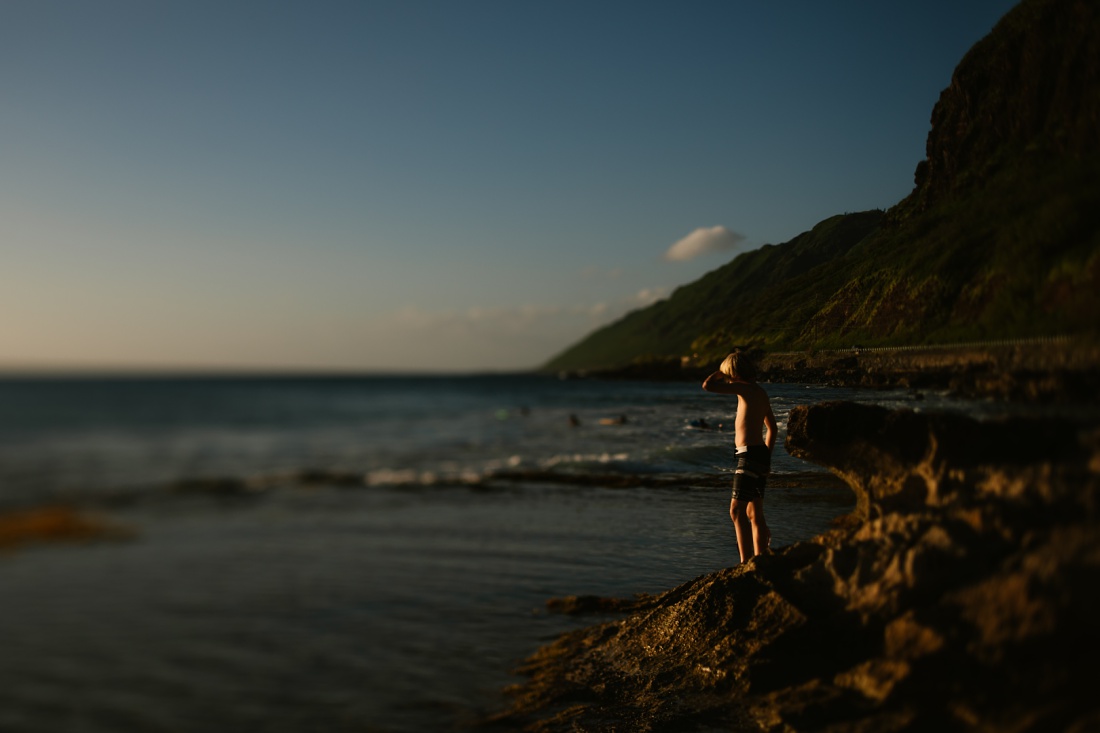
My knee was injured but I hobbled around taking photos and watching spinner dolphins flip and spin dramatically offshore. The mountains stretched tall and green behind us while the sea seemed to extend forever. It felt wild and remote and filled me with a sense of awe. Why don’t we come here more often?
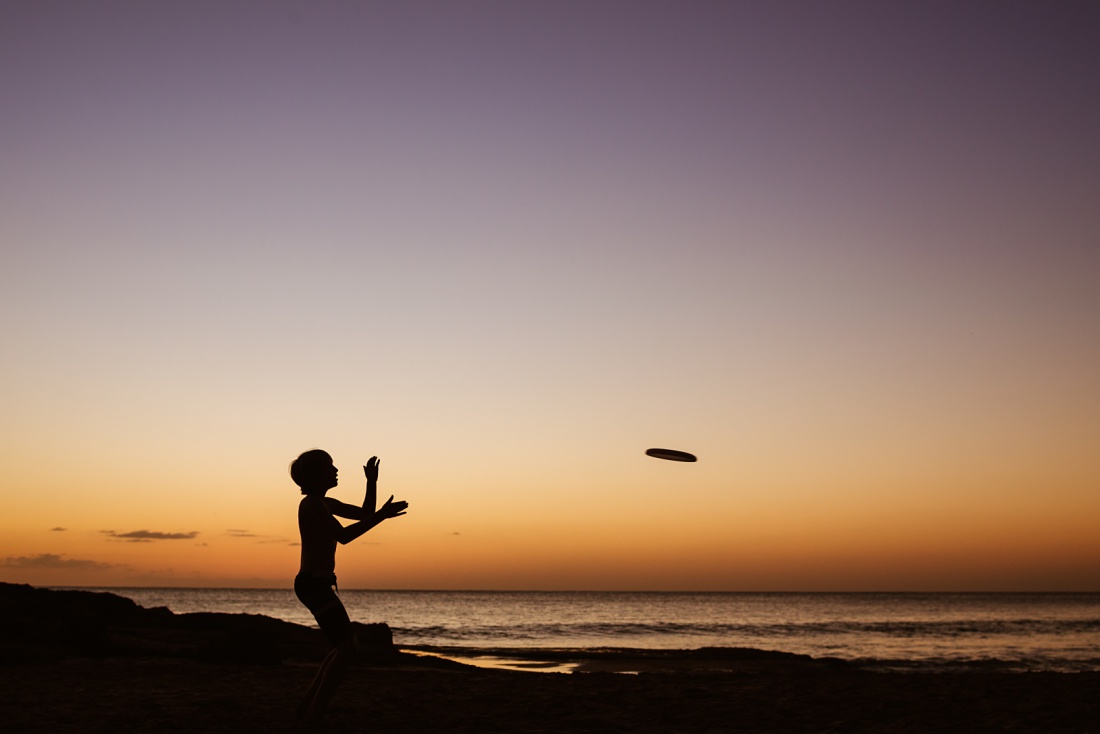
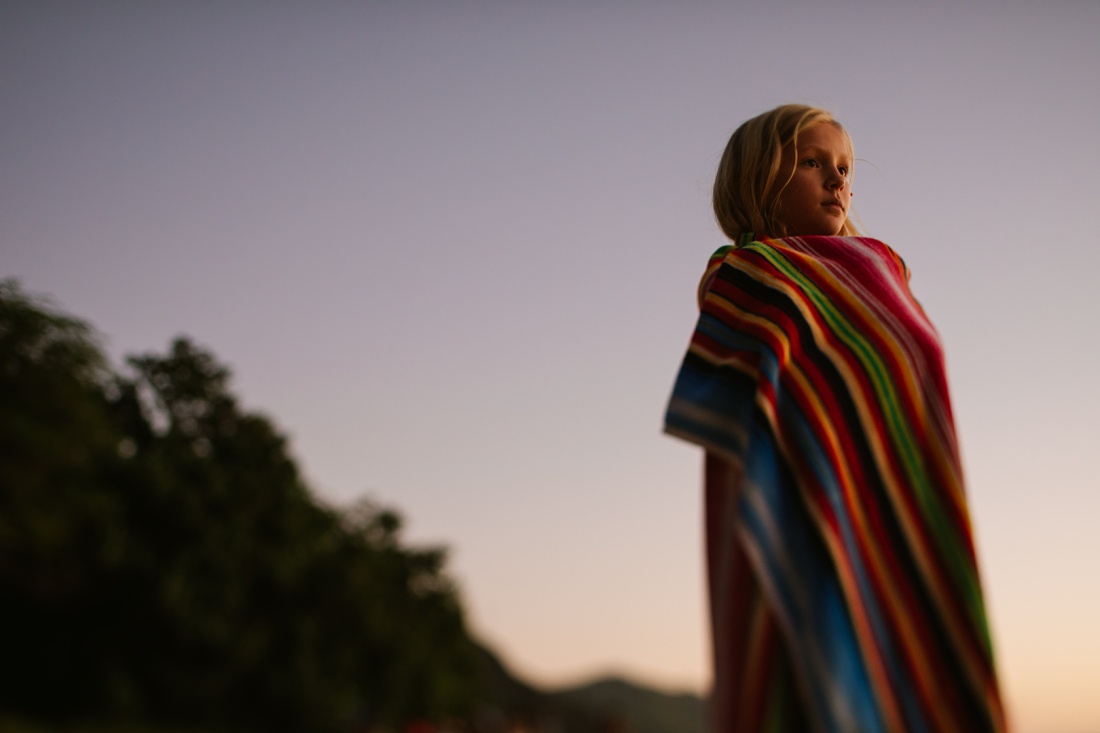
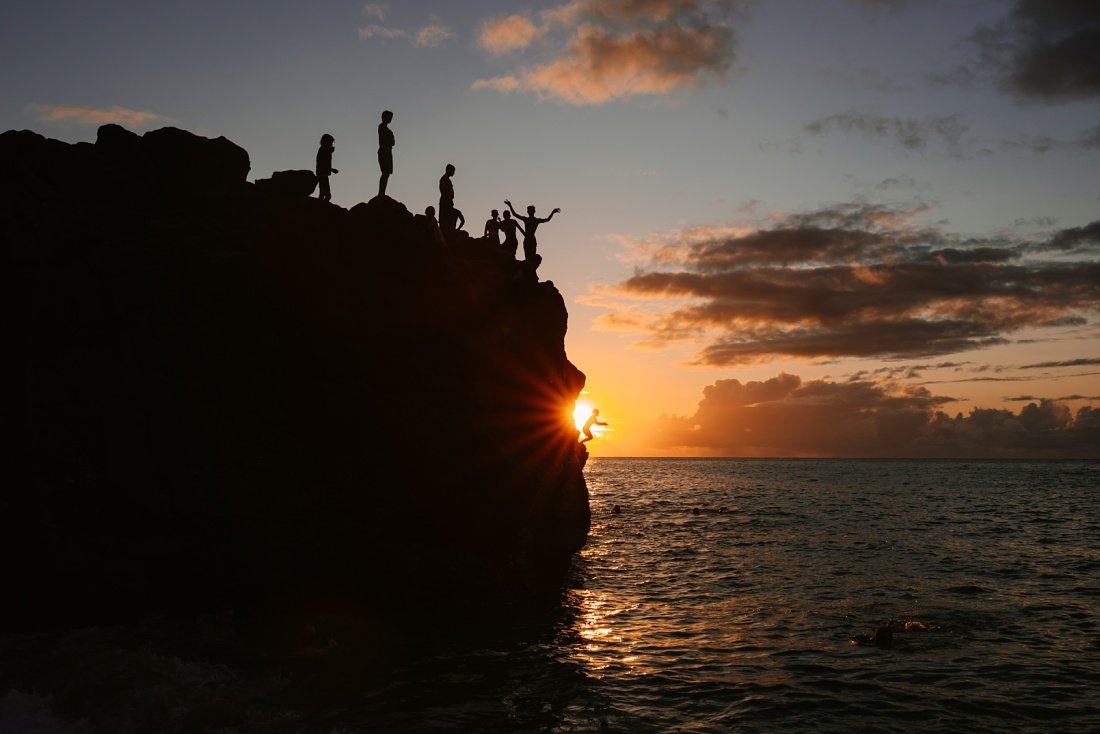
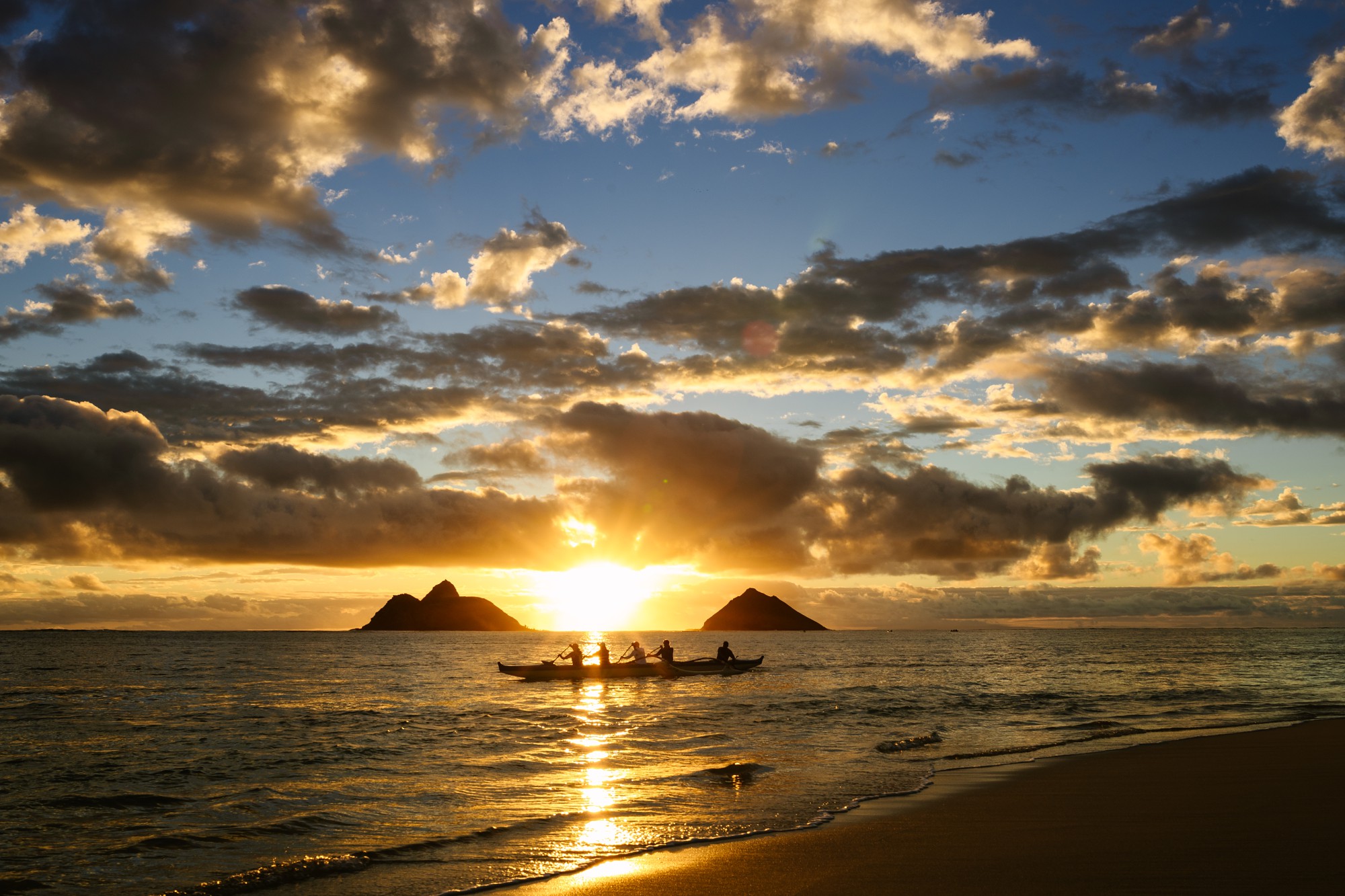
As the sun melted into the horizon, we spent the last bit of daylight examining anemones and crabs in the tidepools and tossing a Frisbee. After a stop on the way home for poke bowls at Tamura’s in Waianae, the kids declared it the best day ever.
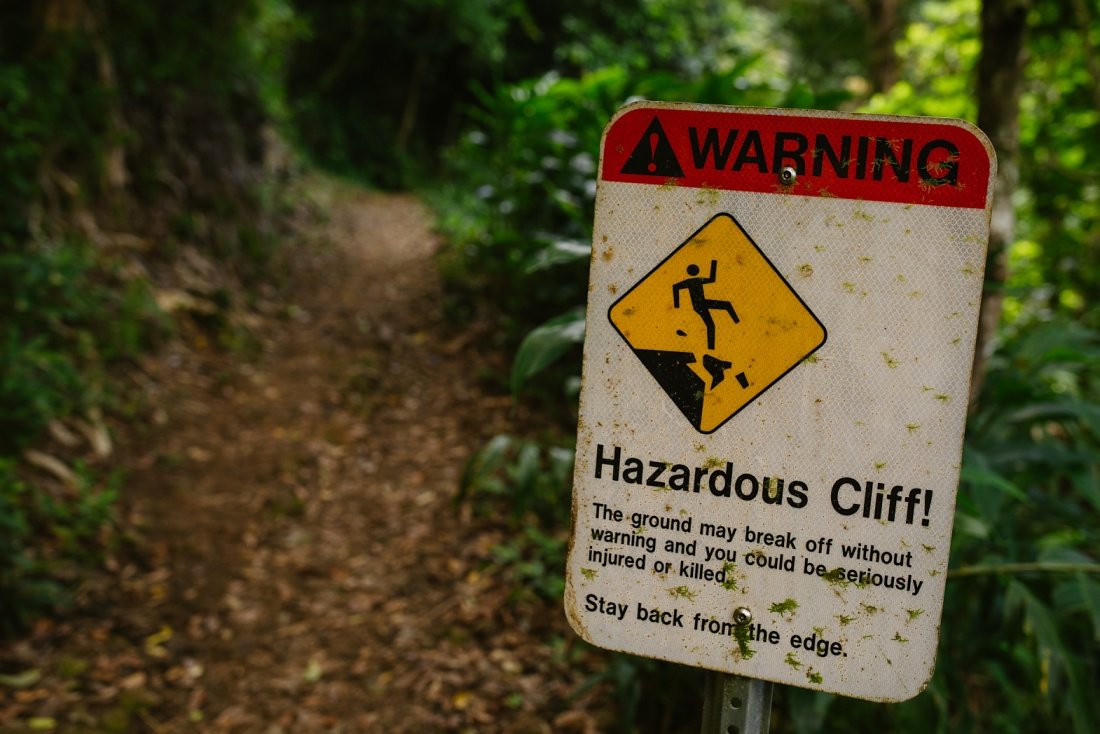
One thing worth knowing: the tidal shelf at the northern end of the beach is the best spot for tide pooling, but treat it with caution when it’s wet. Water can break across it and pull without warning. Watch the ocean, not just the pools.
What to Know Before You Go
Getting there. Makua Beach is on Farrington Highway on the leeward coast, past Waianae and Makaha. Park roadside off the highway. There is no formal parking lot. The northern end of the beach near the tidal shelf is worth the extra few minutes of driving. From Waikiki plan on about 70 minutes with no traffic. From Ko Olina it’s closer to 40 minutes.
No amenities. Nothing here. No bathrooms, no showers, no facilities of any kind. The closest bathrooms are at Keawaula Beach further up the road. Plan accordingly.
Theft. This is a high theft area. Leave absolutely nothing in your car. Bring only what you need or leave valuables at home.
Swimming. The water here is rough. It drops off steeply and gets dangerous in winter or when there’s any significant swell. This is not a beginner beach for swimming. Bodyboarding is popular when conditions are right. The tidal shelf at the northern end is calmer for exploring but requires attention. If the rocks are wet, a wave can break across them at any time.
Dogs. Dogs are welcome at Makua Beach on leash.
What to Bring
The non-negotiables. Water and reef-safe sunscreen. The beach is fully exposed with no shade and the leeward sun is intense. No aerosol spray. Applying it on a windy beach means everyone around you is inhaling it, which is not a gift.
For your valuables. Leave everything at home or bring it with you. Do not leave anything in the car. This is a high theft area and there is no parking lot, just roadside pullouts with no oversight.
For little kids. A dip net and bucket for the tidal shelf. Snacks. A change of clothes as kids will get wet and it’s a long drive to most places. The tidal shelf keeps little ones occupied for a long time.
For the water. If you’re planning to bodyboard or get in the surf, check conditions first. The water drops off steeply. A leash for your board. If you’re snorkeling around the shelf, reef shoes are worth it on the sharp rock (super calm conditions only).
Need a Winter Beach Alternative?
If the surf is up and Makua is too rough, Pokai Beach Park is protected and a good fallback. For a calmer leeward option further south, the Ko Olina lagoons are consistently calm and family-friendly year-round.
Family Photos on the Leeward Coast
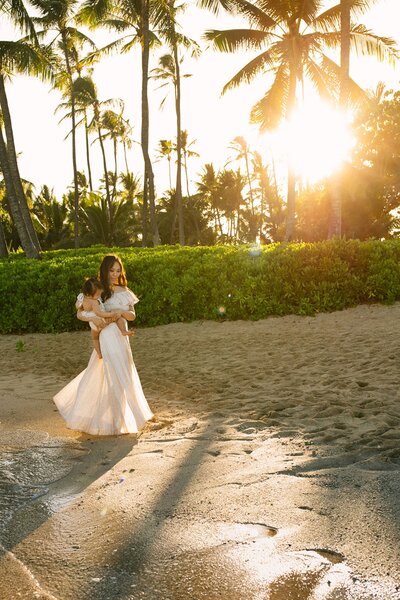
The leeward side has a different energy than the rest of Oahu. The light is warm, the mountains are dramatic, and on a good evening the whole coast glows. If you’ve spent a day out here and thought “I wish someone had a camera for this,” that’s exactly what a session is. You can see what a morning on this side of the island looks like here, here, and here. And if it looks like something your family would be into, here’s where to start.
Makua Beach FAQs
Q: Where is Makua Beach on Oahu?
A: Makua Beach is on the leeward coast of Oahu on Farrington Highway, past Waianae and Makaha. It sits at the foot of the Waianae Mountains in Makua Valley. From Waikiki plan on about 70 minutes with no traffic. From Ko Olina it’s closer to 40 minutes. Park roadside off the highway. There is no formal parking lot.
Q: Is Makua Beach worth the drive?
A: Yes, if you’re looking for something different. Most visitors to Oahu never make it this far up the leeward coast and that’s exactly the point. The beach is long, wild, and backed by the Waianae Mountains. The tidal shelf at the northern end is excellent for tide pooling, spinner dolphins are often visible offshore, and the sunset light on this stretch of coast is some of the best on the island.
Q: Is Makua Beach safe for swimming?
A: It depends on conditions. The water drops off steeply and the surf can be powerful, especially in winter. This is not a beginner swimming beach. When conditions are calm it’s popular for bodyboarding. Always check surf conditions before you go and watch the ocean carefully near the tidal shelf. Waves can break across the rocks without warning.
Q: What is the best time to visit Makua Beach?
A: Late afternoon into sunset is ideal for the light and the temperature. Summer months tend to have calmer conditions, which makes the water more approachable. Avoid winter months or any time there is significant swell. The surf here can get very rough and the beach changes character entirely. Low tide is best if you want to explore the tidal shelf at the northern end.
Q: Are there facilities at Makua Beach?
A: No. There are no bathrooms, showers, or amenities at Makua Beach. The closest facilities are at Keawaula Beach further up Farrington Highway. This is also a high theft area. Leave valuables at home or bring everything with you.

Off The Beaten Path
Get my top ten list of spots in Oahu complete with photos + directions, so you know exactly what to expect. You’ll also receive ongoing adventures, beautiful images and happy updates. Escape to the islands once a month and learn exactly how to enjoy Hawaii like someone who raises their family here!
Get on the list