Most families assume summer is the obvious time to visit Hawaii. They’re not wrong, but they’re also not getting the best version of the islands. Winter in Hawaii runs December through April and brings cooler temperatures, dramatic surf, humpback whales, flowing waterfalls, and significantly fewer people on the beaches and trails. The caveat is rain, which is real but manageable. Here’s the honest case for going in winter.
Cooler Temperatures
What’s that you say? Hawaii has seasons? Well, yes. Yes, it does. Summer and Winter a.k.a hot and less hot with the latter running December to April. As I write, I am currently wearing wool socks, wool pants, two shirts, and a sweater. Despite the layers, I find myself contemplating if I can type with gloves on. How cold is it? Well, I was distraught to discover the temperature is not in the 50s as it seems, but rather a balmy 65F. Still, brrr.
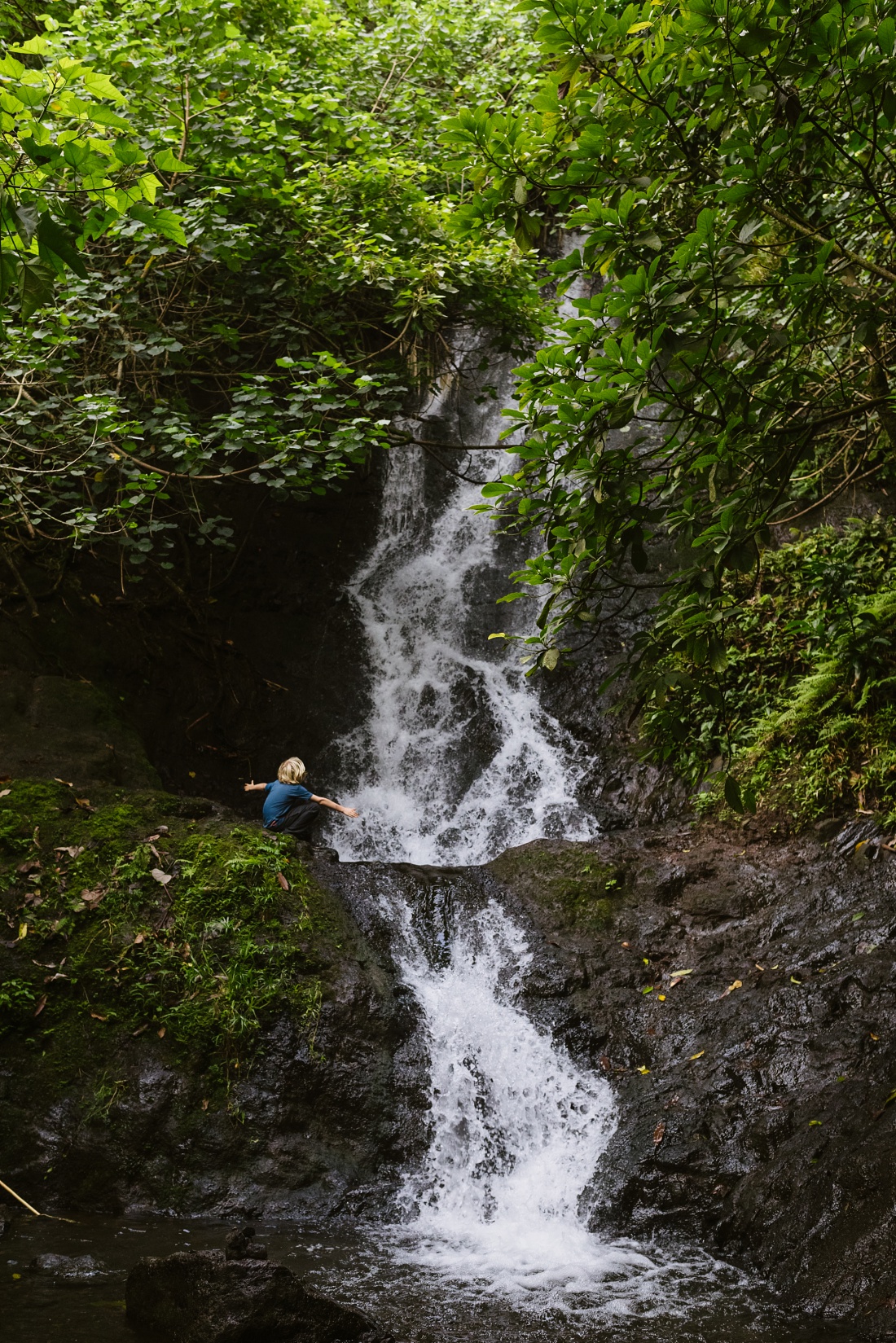
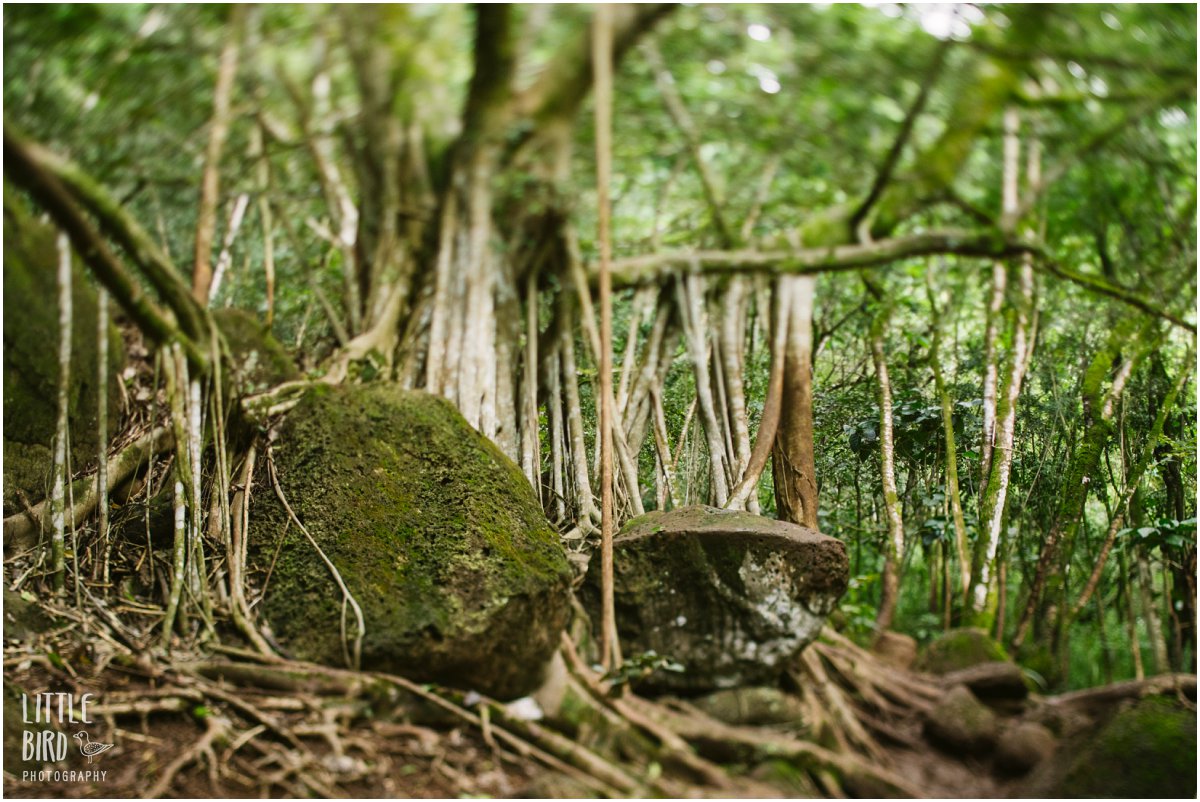
But winter in Hawaii brings more than chilly weather. It also brings rain which magically transforms the island from dusty brown to verdant green. Heavy clouds can settle across the sky for days at a time, but more commonly you’ll just experience a quick shower here and there. Why risk the rain? Well, a sunny winter day in Hawaii is sublime – sparkling blue waters, a light breeze, and gentle sunshine wrapping you in a warm hug. Plus the rainbows!
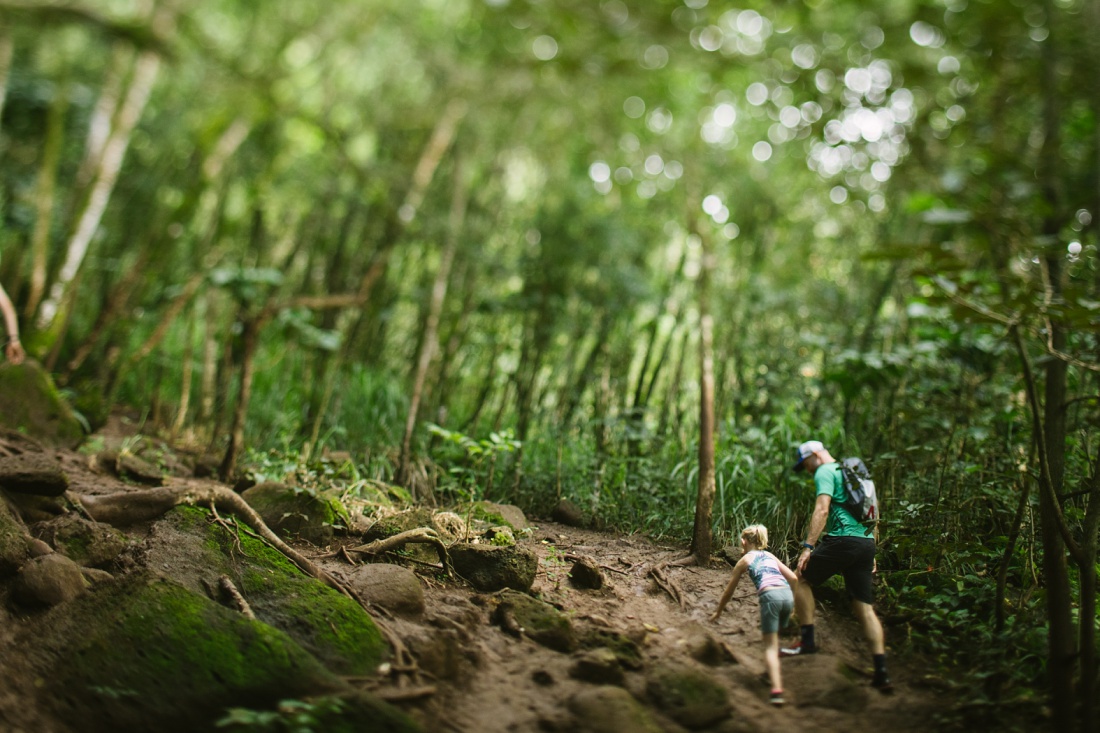
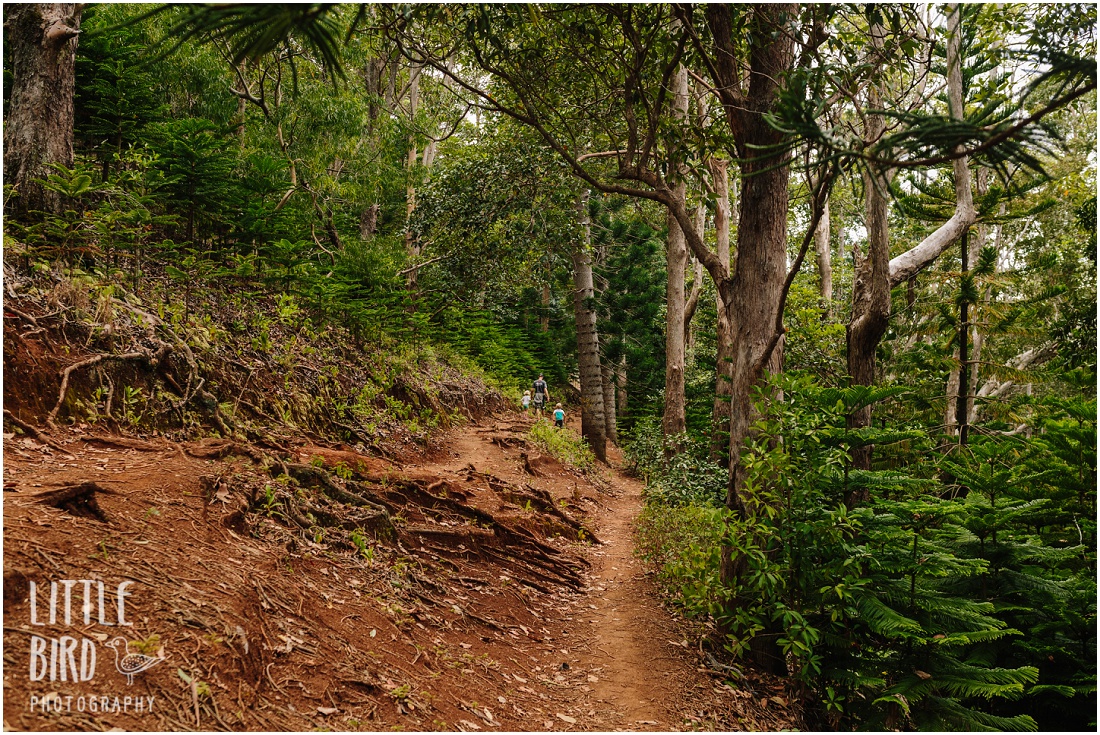
The cooler temperatures are perfect for hiking especially exposed ridge and crater hikes. You might try hiking Koko Head or it’s smaller cousin Diamond Head to take in big sweeping views without the sweltering heat of summer. Additionally, the upside of rain is flowing waterfalls. Easy options include Manoa Falls and Hamama Falls. Checkout a roundup of favorite hikes near Waikiki and more in Windward Oahu if you can’t get enough.
Fewer Crowds
Tourism numbers continue to rise in Hawaii with a record of 10 million visitors in 2019. Numbers dropped during the pandemic and after the Lahaina fire and the floods in 2026 (it’s been quite a decade), but visitor numbers are slowly creeping back up. The crowds and traffic reach a zenith in December and quickly drop mid January. That period, after the holidays, that’s when you can move freely around the islands and enjoy a bit of solitude. At least until summertime.
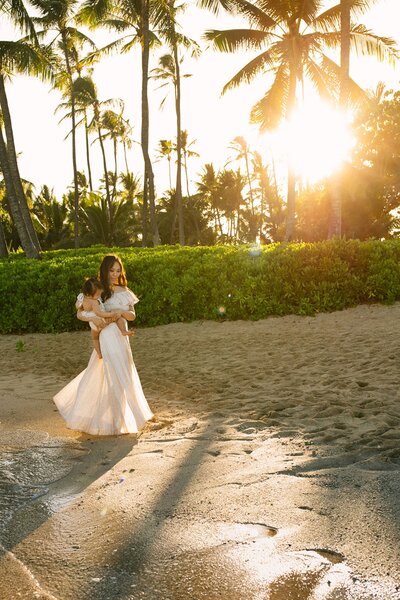
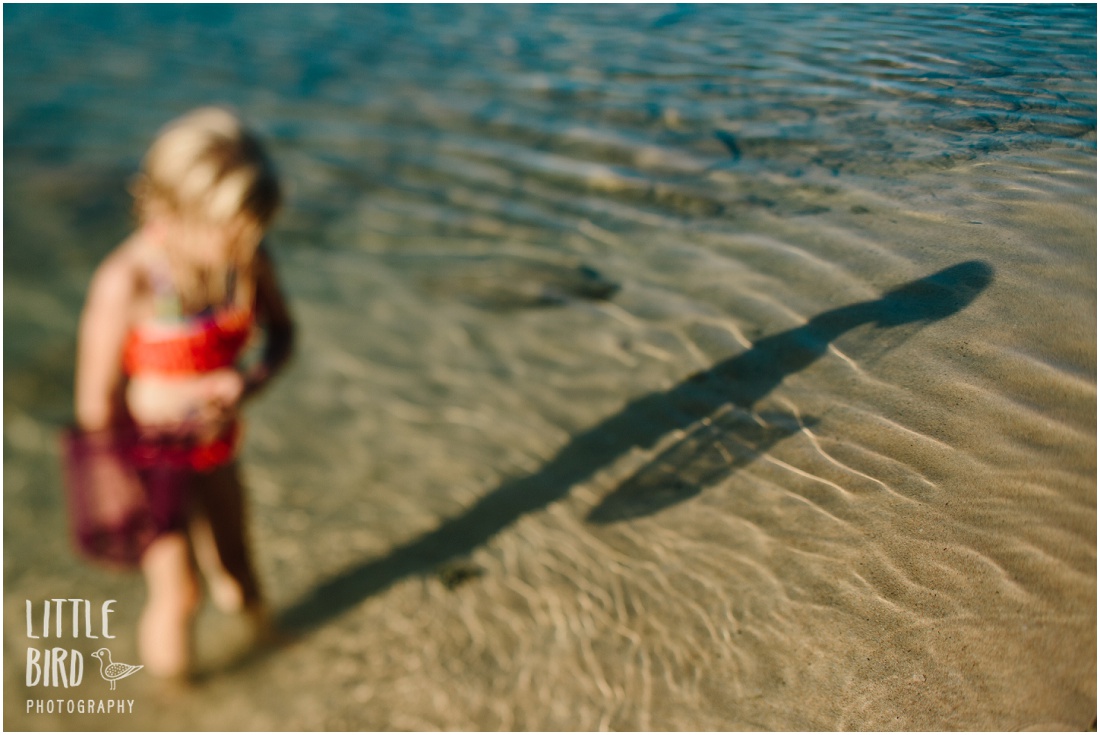
During the quieter winter months you often have the beach to yourselves which is amazing for family photos. Check out this sweet session without a soul in site on a beautiful morning in Waimanalo.
Big Surf
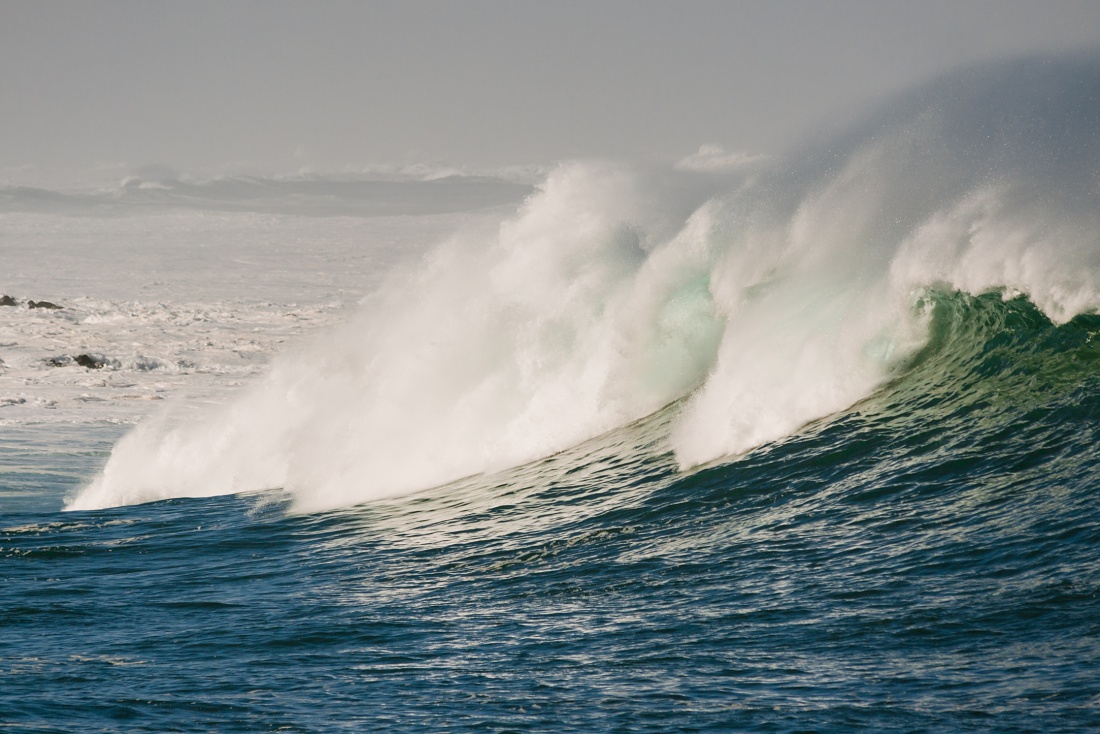
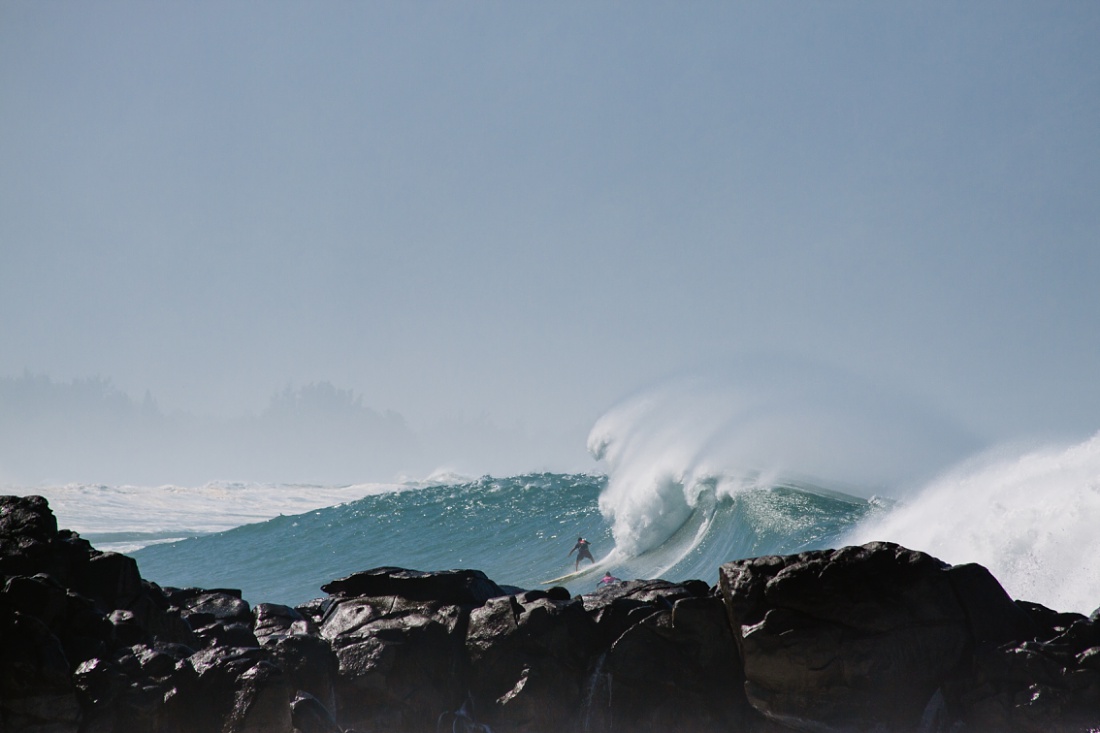
You know those big waves you’ve heard about? The 40-foot monsters that turn surfers into legends? Winter is when you will find them. Head to the north shore of Oahu and visit Banzai Pipeline at Ehukai Beach Park, picture-perfect Sunset Beach or Waimea Bay – home of the Eddie Akau big wave competition. On Maui, watch world-class surf at Honolua Bay or, if the swell is big enough, the jaw-dropping spectacle of Pe’ahi (better known as Jaws) where waves can reach 70 feet and surfers are towed in by jet ski. On Kaua’i, Hanalei Bay on the north shore lights up with serious winter swell.
Worth noting for families: big surf on the north shores doesn’t mean the water is wild everywhere. The south and leeward coasts of each island, and protected bays throughout, stay mellow and swimmable most days regardless of what’s happening on the north-facing beaches. The islands are small enough that you can watch legendary surf in the morning and have toddlers splashing in calm water by afternoon.
Humpback Whales!
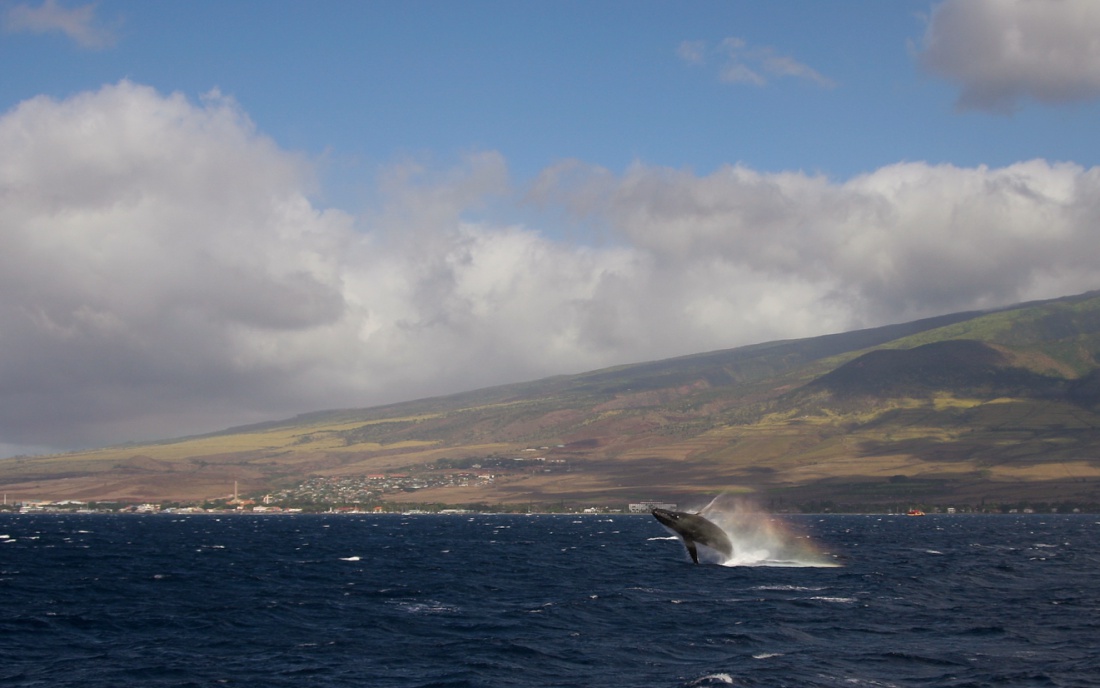
Hawaii and Alaska share joint custody of humpback whales. The whales fatten up in the nutrient-rich waters around Alaska and in winter (December to April) travel to the warmth and safety of Hawaii to birth their young. Fun fact – humpback whales don’t eat the entire 6 months they’re in Hawaiian waters. On Oahu, you can search for whales while enjoying the views of the windward coast at Makapuu Lighthouse Trail or adventure to the tip of the island at Kaena Point. All of the islands have boat tours to search for whales, but the very best place to search for whales is off Maui. The clear, shallow waters that connect Maui, Lanai, and Kahoolawe are particularly appealing to whales. Book with the Pacific Whale Foundation for a great experience. If you want to go one step further – book a helicopter flight to search for the beautiful behemoths from above – unforgettable!
Winter Family Photos in Hawaii
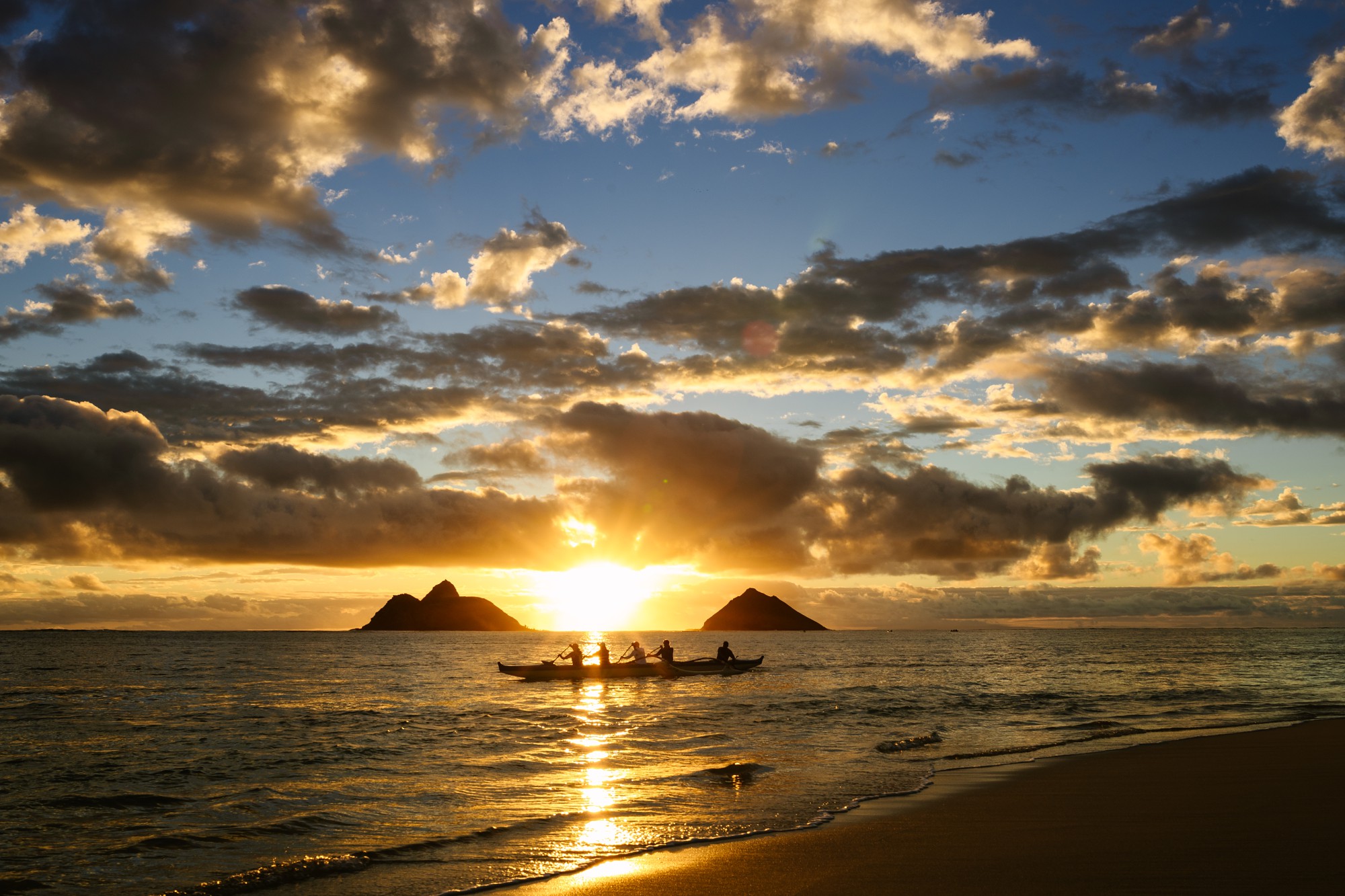
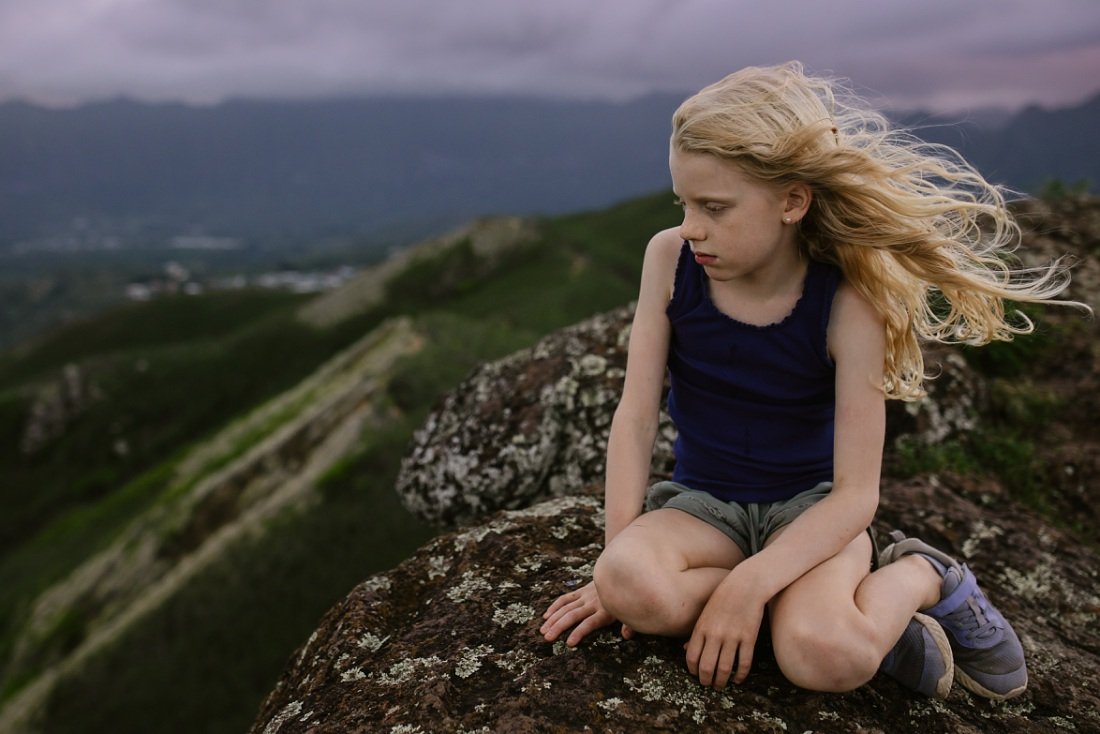
Winter is one of the best times of year for family photos in Hawaii and most families don’t realize it. The beaches are quieter, often empty in the early morning. The landscape is green from the rain rather than the dusty brown of August. The light between squalls has a quality that summer rarely matches, and dramatic skies make for backgrounds that nobody planned for. Sessions in December and January tend to book out, so if you’re planning a winter trip it’s worth thinking about this early. You can see what winter morning sessions look like here, here, and here. And if it looks like something your family would be into, here’s where to start.
Need Ideas for Your Family Adventure?
If you’re visiting Hawaii in winter and get stuck with one of those rainy days, there are options. Check out this post for family fun despite the wet weather. And sign up for the Little Bird Post for more tips on family fun in Hawaii.
Hawaii in Winter with Kids FAQs
A: It depends on where you are and when. Hawaii’s rain is mostly local and brief. A shower rolls through, the sun comes back, and there’s usually a rainbow. The windward sides of the islands get more rain than the leeward sides. On Oahu, Ko Olina on the west side stays sunny even when it’s raining in Kailua. The bigger concern is a multi-day system that settles in, which does happen in winter. Having a flexible itinerary and knowing which side of the island to retreat to makes a real difference. Check out the rainy day activity guide if you get stuck.
A: It depends on which part of December. The week before Christmas through New Year’s sees prices spike and crowds return to summer levels. Mid-January through February is the real sweet spot: visitor numbers drop sharply, prices follow, and you get all the winter benefits without the holiday chaos. If December is your only option, earlier in the month is better than later.
A: On the north shores of the islands, winter brings serious surf that is not safe for swimming. On the south and west facing beaches, conditions are generally calmer and safer year-round. On Oahu, Ko Olina’s lagoons and the calm beaches of Kailua and Waimanalo are good winter options for families with young kids. Always check with lifeguards and avoid beaches with no lifeguard presence if the surf is up.
A: Oahu is the most practical for first-time visitors year-round. In winter it offers whale watching from the Makapuu Lighthouse Trail, big wave surfing on the North Shore to watch from shore, calm swimming beaches on the south and west sides, and green mountains and flowing waterfalls from the rain. Maui is the best island for whale watching specifically, with the channel between Maui, Lanai, and Kahoolawe being prime humpback territory. Kauai is lush and dramatic in winter but can be rainy. The Big Island’s Kona Coast stays reliably dry year-round.
A: It’s one of the best times. Beaches are quieter in the early morning, the landscape is lush and green from the rain, and the light between squalls is something summer rarely matches. Dramatic skies and empty beaches make for photos that feel nothing like a crowded tourist shot. Sessions in January and February tend to book out early, so if you’re planning a winter trip it’s worth thinking about photography sooner rather than later. Here’s where to start.


Off The Beaten Path
Get my top ten list of spots in Oahu complete with photos + directions, so you know exactly what to expect. You’ll also receive ongoing adventures, beautiful images and happy updates. Escape to the islands once a month and learn exactly how to enjoy Hawaii like someone who raises their family here!
Get on the list