Kaena Point Oahu | A Family Guide to the Wild End of the Island
March 27, 2026
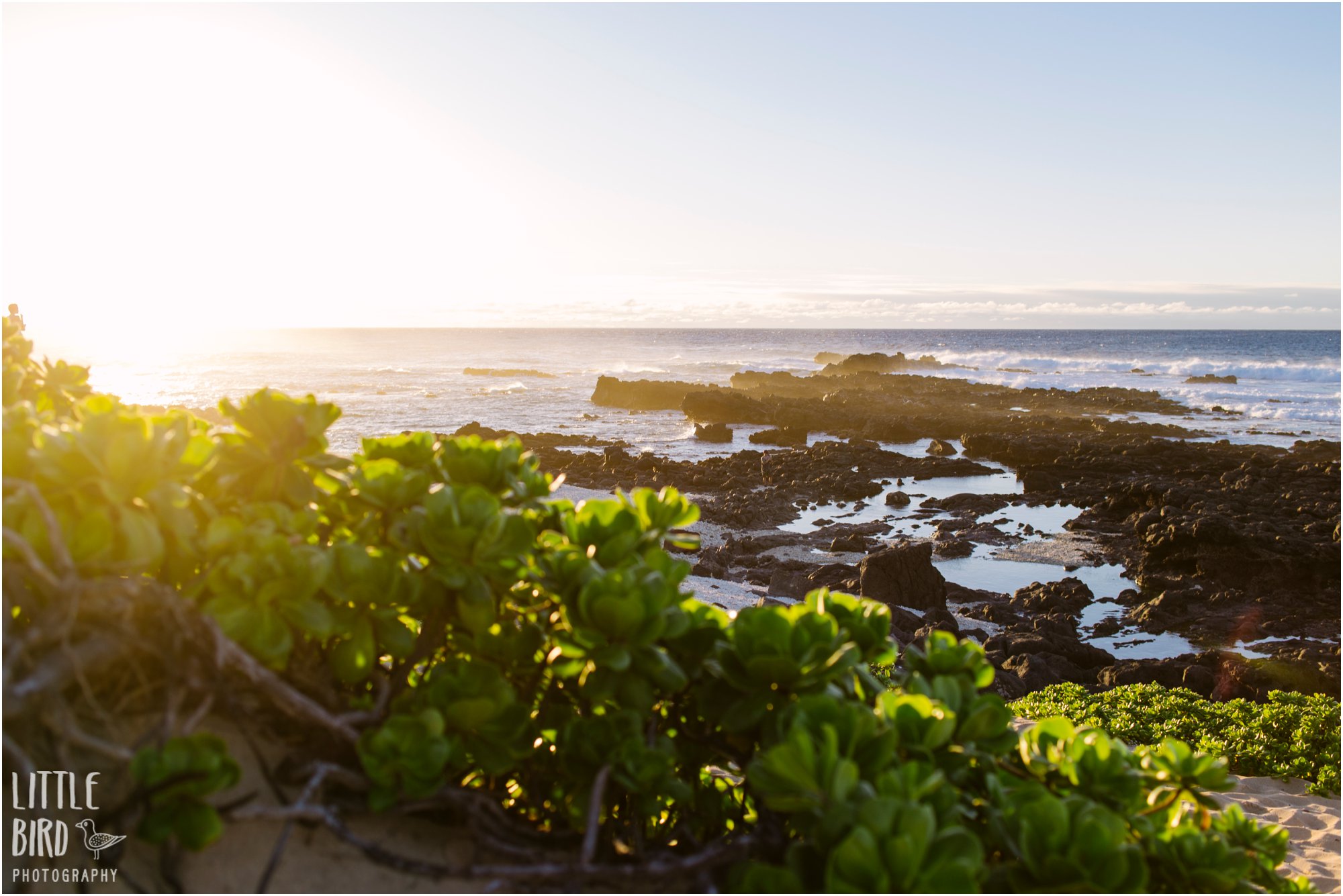
Kaena Point is the westernmost tip of Oahu and one of the last undeveloped stretches of coastline on the island. The hike follows an old railroad bed along the coast to a Natural Area Reserve where Laysan albatross nest, Hawaiian monk seals haul out on the rocks, and native coastal plants grow without competition from development. There are two trailheads: one on the north shore near Dillingham, one on the leeward side past Yokohama Bay. Both are flat, exposed, and about 5 to 6 miles round trip. Go in winter for albatross chicks and humpback whales offshore. Go in the late afternoon and stay for the sunset.
A Walk on the Wild Side
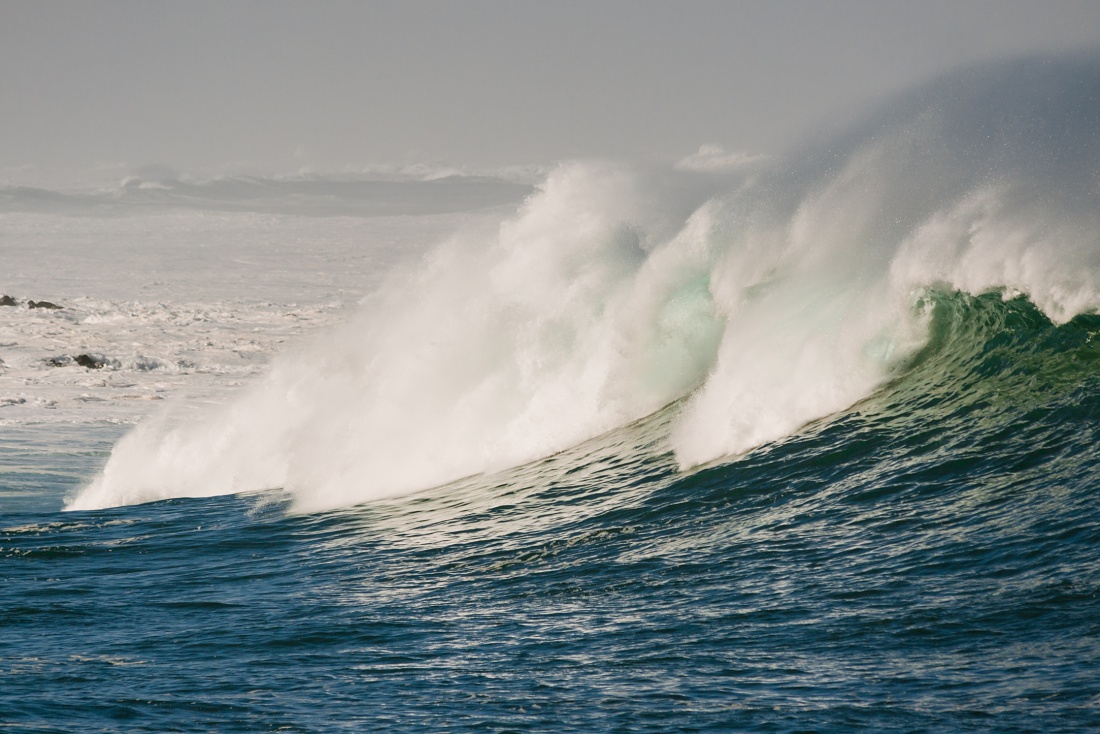
Kaena Point is known for its rugged and remote natural beauty, with coastal cliffs, tide pools, and native plant and bird species. It’s a far cry from Waikiki with its vibrant palms, loud aloha wear, and bedazzled cocktails, but it’s one of my favorite spots on the island. Kaena Point remains a wild place. Salt spray immediately assaults you as you step from the car and inhale open ocean views and pounding surf. The sun seems hotter here. The vegetation is thirsty.
Most of the point is designated as a Natural Area Reserve, affording plants and animals who live here special protection. Intense, decades-long efforts to protect, restore, and attract coastal plants and animals have resulted in a special place. You’re rewarded with an island within an island where you can glimpse into Hawaii’s past.
The Majestic Laysan Albatross
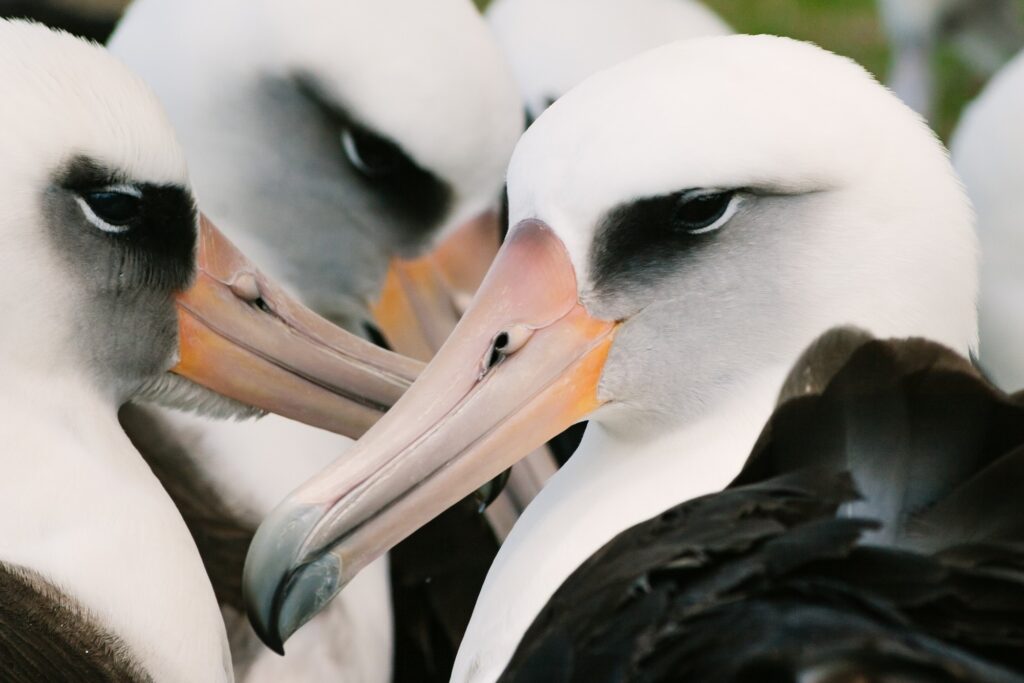
In late January and February, Kaena Point is an extra special place. Oversized eggs tucked under oversized birds begin to pip and slowly hatch into round bits of fuzz with oversized feet and bills. A Laysan albatross is born.
In the past, albatross were called gooney birds due to the ease with which you could approach them. On the ground they do indeed appear silly, with an exaggerated waddle and clumsy manner that belies what they are in the air. If you’re lucky, you can witness their courting dance: head bobbing, wing tucking, bill claps, sky points, whistles, whinnies, and moos. The elaborate dance attracts onlookers and before you know it, a large group is dancing in unison.
In the air, the goofiness is gone. In its place is a majestic grace as albatross soar above Kaena Point with ease and speed. Sometimes they fly so close you can hear and feel the accompanying whoosh of wind.
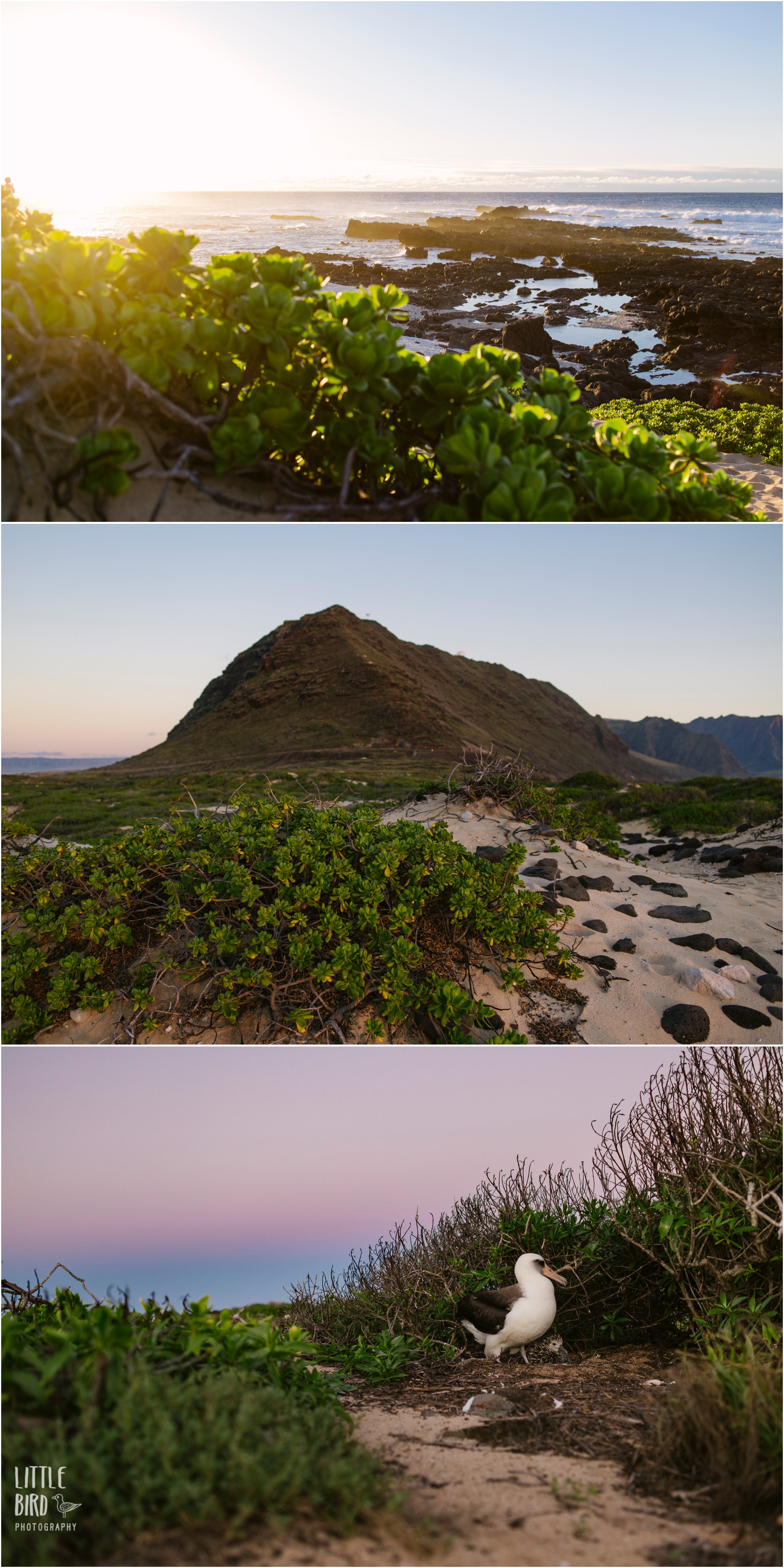
What makes the albatross at Kaena Point so remarkable is how recently they arrived. Laysan albatross are pelagic seabirds with a six-foot wingspan that fly thousands of miles for a single meal. Once widespread across Hawaii’s coastal areas, they were nearly eliminated from the main islands and today are found in only a handful of places: offshore islets, Kilauea Point on Kauai, and Kaena Point, where they began nesting about a decade ago. The restoration of native habitat at the reserve made it possible. It’s the kind of conservation success story that takes years of quiet, unglamorous work to produce, and it shows.
Watch the Film
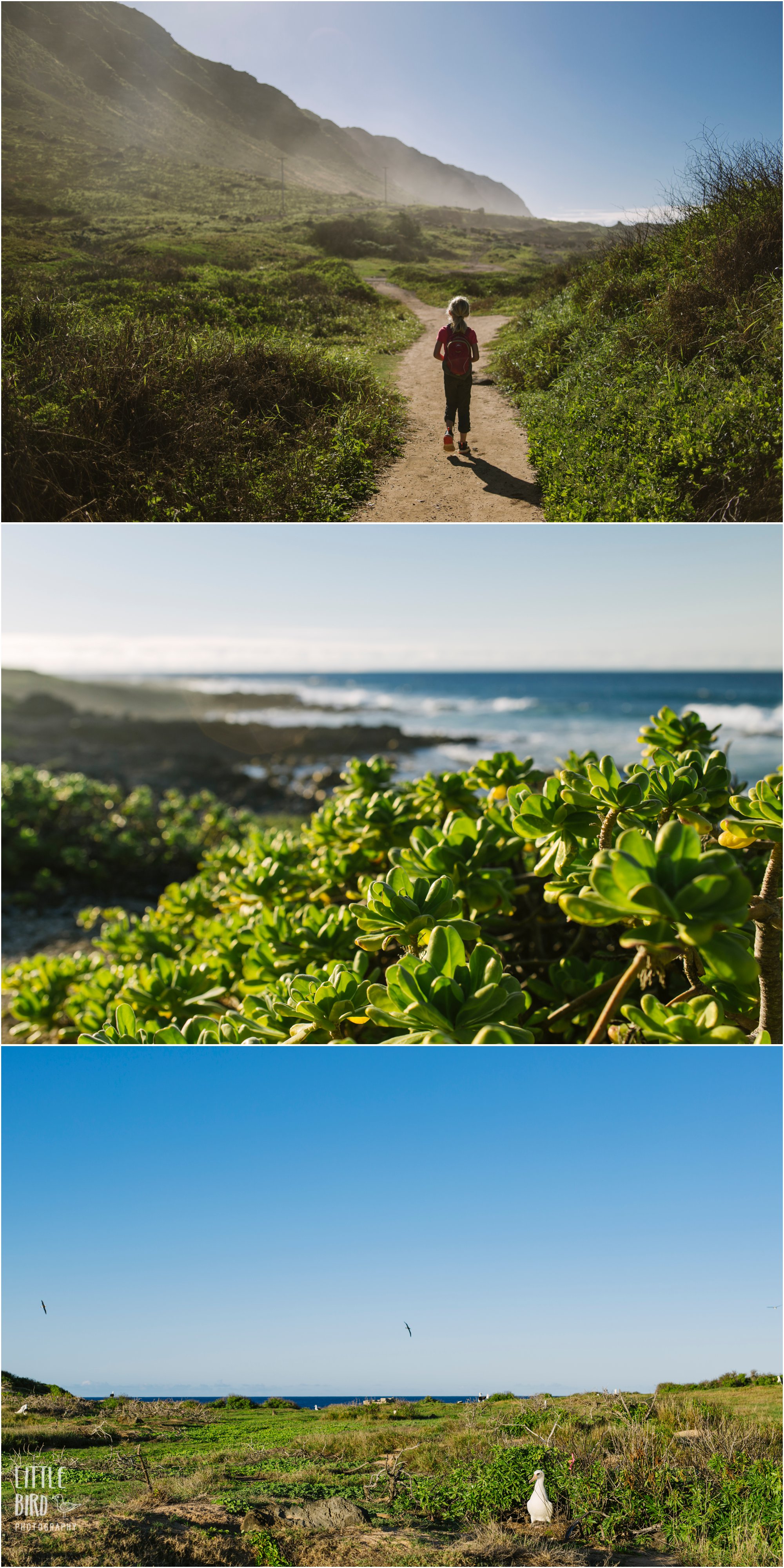
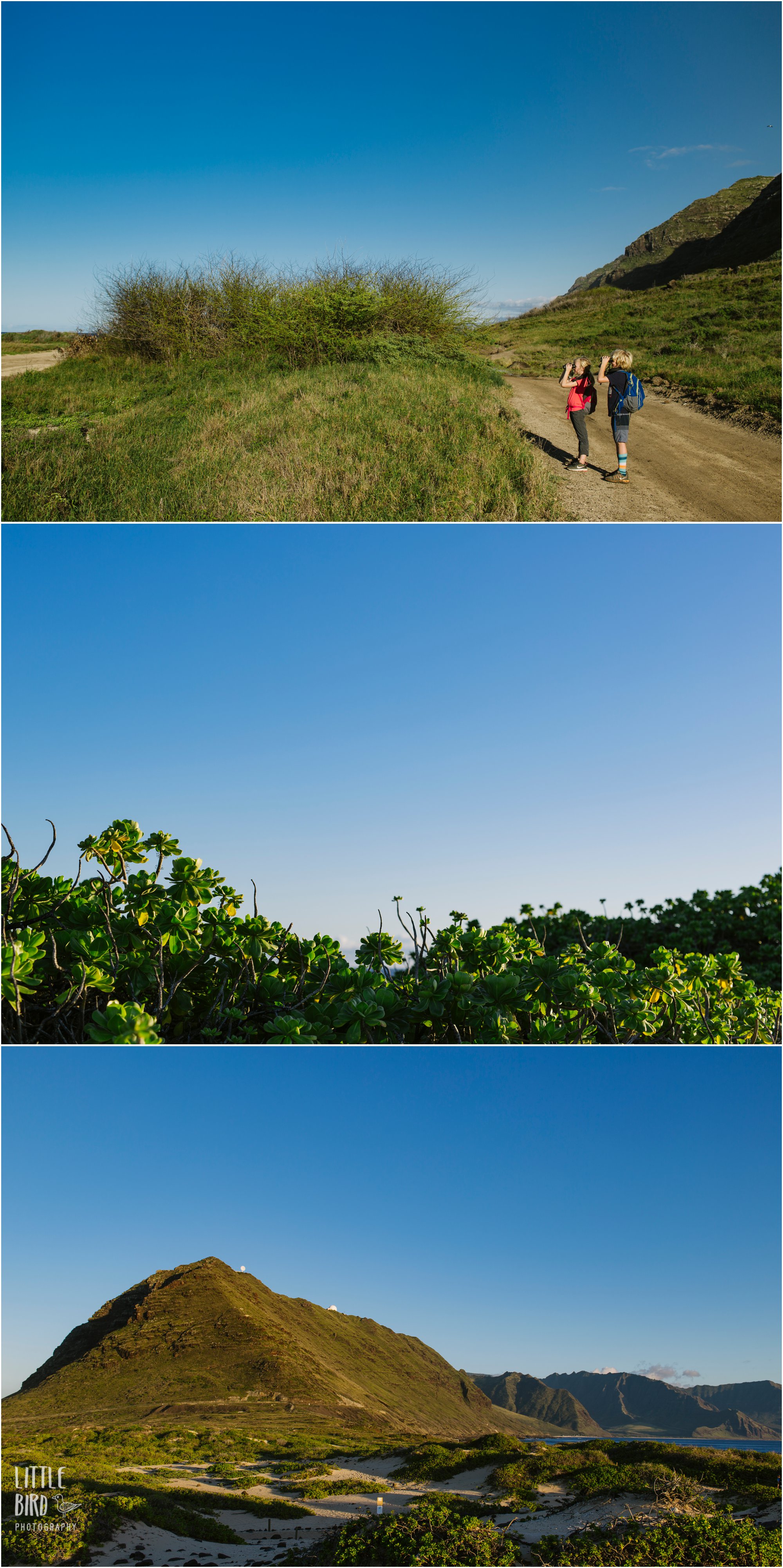
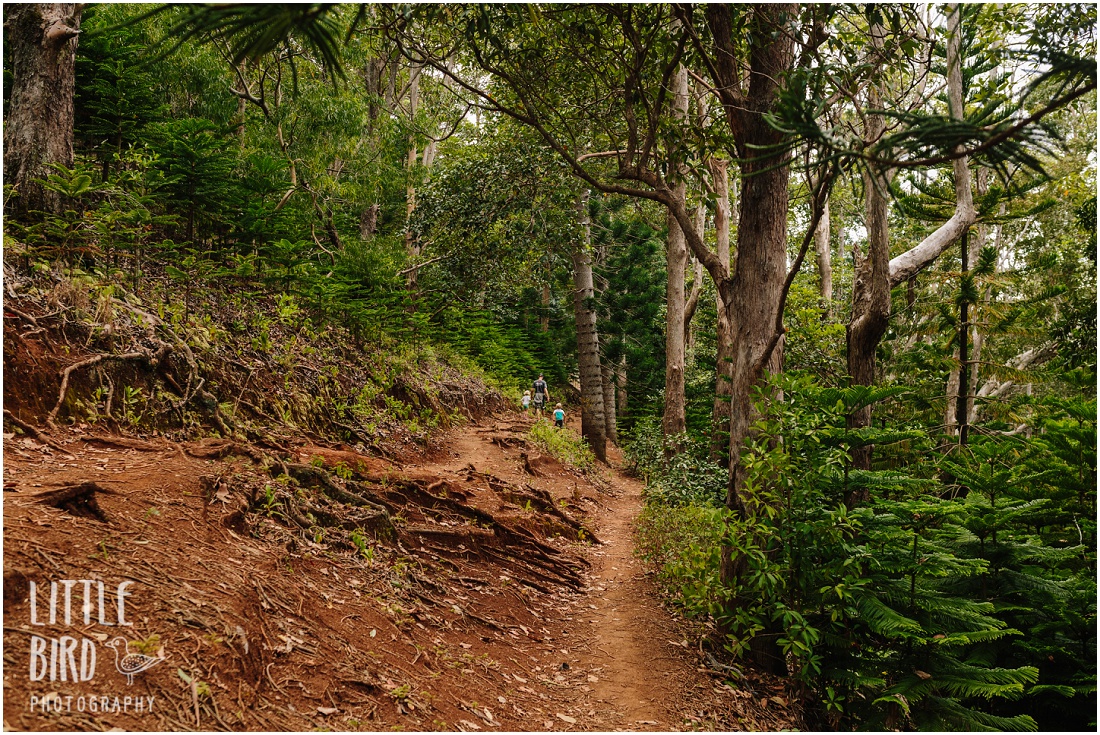
My family hiking out to Kaena Point before sunset: the dirt trail along the ocean, albatross soaring overhead, the point raging with surf, monk seals hauled out on the rocks, kids imitating the albatross courting dance, chicks in the nest, and the sky turning from gold to pastel as we walk back. This is also what a Little Bird Photography evening adventure looks like in motion.
Getting to Kaena Point
Located at the western tip of Oahu, Kaena Point is one of the last undeveloped coastal areas on the island. There was once a road connecting the north and west sides of the island, but winter storms repeatedly reclaimed it and eventually nature was allowed to win. The area around Kaena Point was protected as a Natural Area Reserve.
You have two options for reaching the point.
From the leeward side. Approach via Farrington Highway on the west side, ideal if you’re staying in Ko Olina or coming from Waikiki. The highway traces the western coast past Yokohama Bay to a dirt parking lot and trailhead. About 6 miles round trip.
From the north shore. The more popular route: park at the Farrington Highway trailhead on the north shore and follow the path along the coast. You’ll pass through a predator-proof fence near the point. About 5 miles round trip.
Either way, leave no valuables in your car. Both parking areas have a history of break-ins.
Dogs: Not allowed inside the Natural Area Reserve.
When to Go
Winter is the ideal time to hike to Kaena Point. Hawaii welcomes humpback whales from December through May, and the albatross are nesting from November through July, with chicks hatching in January and February. That six-week window is the peak. The birds remain through mid-summer, so there’s a long window to see them at various stages of growth from round fuzzy chicks to awkward pre-fledglings nearly the size of their parents.
The other advantage of winter is cooler temperatures. Both routes are fully exposed with little shade. Even in winter, go early or late to avoid midday heat.
Our approach: set out a few hours before sunset with water, snacks, headlamps, and binoculars. The walk in is beautiful. The point at golden hour with birds soaring overhead and the sky going from gold to pastel on the walk back is something else entirely.
What to Bring
The non-negotiables. Water and more of it than you think you need. Both routes are exposed and the wind and sun are dehydrating. The round trip is 5 to 6 miles with no water sources. Snacks for the kids. A basic first aid kit.
Sun and wind protection. A hat and sunglasses are essential. The glare off the ocean is unrelenting and the sun seems hotter at Kaena than almost anywhere else on the island. A lightweight long-sleeved shirt pulls double duty for sun protection and the chill that sets in quickly after sunset if you stay late.
For the walk back in the dark. If you go in the late afternoon and stay for sunset, bring headlamps or flashlights. The trail is easy but unlit and the point is far enough from civilization that a phone light won’t cut it.
Binoculars. Worth every ounce. The albatross nesting area is set back from the trail and binoculars let you observe without disturbing. Whales offshore are visible with the naked eye but binoculars bring them close.
On sunscreen: most sunscreen sold at drugstores and grocery stores contains chemicals that damage coral reef ecosystems. Hawaii banned several of them in 2021 for exactly this reason. They’re not great for humans either. Use reef-safe sunscreen, and skip the aerosol spray entirely. Applying it on a windy beach means everyone around you is inhaling it, which is not a gift.
For valuables. Leave them at home. Both parking areas are high-theft zones and your car will be there for hours.
What to Do Nearby
Beaches Worth the Detour
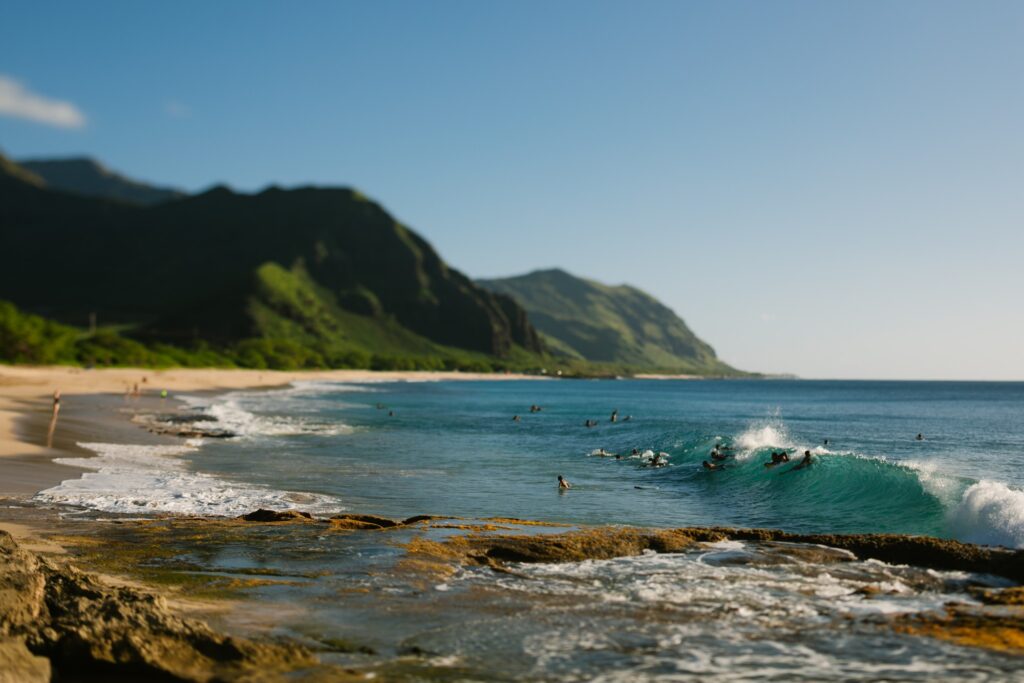
The leeward side has the better beaches if you’re coming from that direction. Yokohama Bay is golden sand and wild turquoise water right at the end of the road. Makua Beach is a few miles back and equally stunning. On the north shore side, Aweoweo Beach Park is a quiet little spot that sea turtles seem to have claimed as their own.
Other Reasons to Stay Out There
Kealia Trail climbs the cliff above Mokuleia and drops you into a forest of pines that feels completely out of place on a Hawaiian hillside. In a good way. At Dillingham Airfield you can take a glider flight, unpowered, silent, soaring above the north shore. I once rode the tow plane for a Make-A-Wish flight day and the views from up there put the whole coastline in perspective.
Where to Eat After the Hike
Kaena Point is the most remote spot on Oahu and the options nearby reflect that. Plan on driving 15 to 25 minutes depending on which side you came from, and if you’re hiking late, bring food since these places close early.
Coming off the north shore toward Waialua: The Smoking Boar and the Coconut, and Wicked HI Cafe for sourdough waffles, sourdough pizza, good lattes, and a slushie you won’t regret.
Coming off the leeward side toward Waianae: Kahumana Organic Farm and Cafe uses produce grown on the farm and has a lunch and dinner menu worth the stop. Countryside Cafe is a no-frills diner with food that tastes like someone’s mom made it.
Family Photos on Oahu’s North Shore
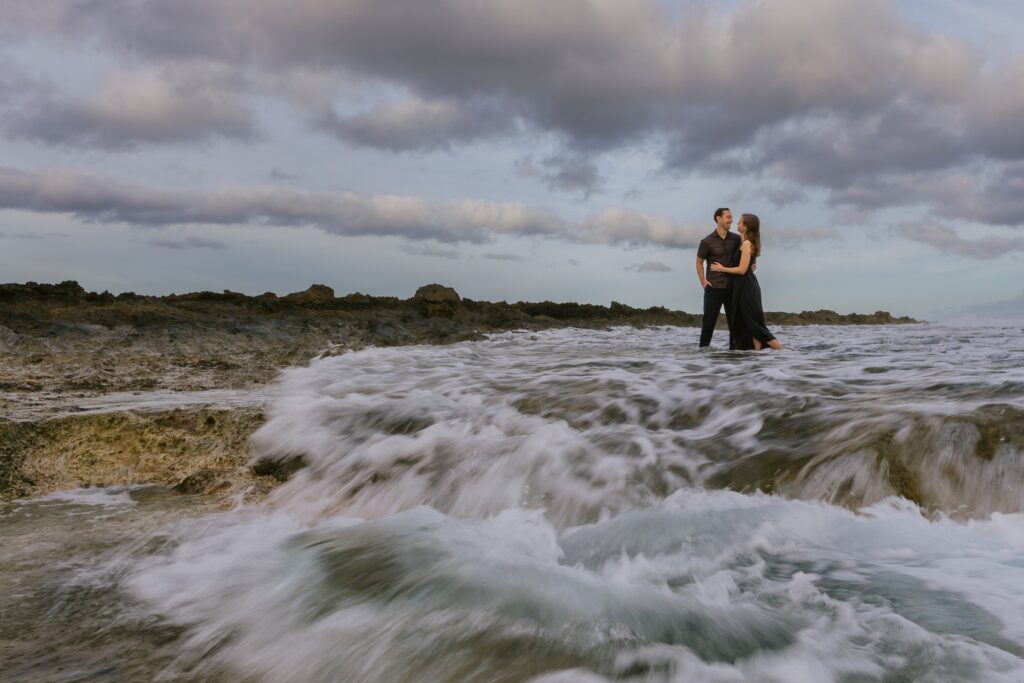
The kind of family that drives to the end of the road to watch albatross usually has no trouble filling a morning adventure with a camera along for the ride. Tide pools, wild beaches, dramatic coastline, kids who already know how to explore. You can see what a morning adventure looks like on this side of the island here, here, and here. And if it looks like something your family would be into, here’s where to start.
Kaena Point FAQs
A: About 5 miles round trip from the north shore trailhead, or 6 miles from the leeward side. Both routes are flat and follow an old railroad bed along the coast. Allow 2 to 3 hours each way, more if you’re stopping to watch birds or look for monk seals.
A: January and February for albatross chicks hatching. November through July for nesting albatross. December through May for humpback whales offshore. The late afternoon approach is ideal year-round: cooler temperatures, golden light, and a sunset on the walk back.
A: Yes, seasonally. Laysan albatross nest at Kaena Point from November through July. Chicks hatch in January and February. Outside of nesting season you may still see birds at the point, but nesting season is when the experience is truly special.
A: This is a hard no. Dogs are not allowed inside the Natural Area Reserve at the point. Leave them at home for this hike.
A: The north shore trailhead is slightly shorter at about 5 miles round trip and tends to be more popular. The leeward trailhead is a good option if you’re staying in Ko Olina. Both routes are flat and manageable for kids who can handle a half-day walk. Bring water, snacks, and sun protection regardless of which side you start from.





Off The Beaten Path
Get my top ten list of spots in Oahu complete with photos + directions, so you know exactly what to expect. You’ll also receive ongoing adventures, beautiful images and happy updates. Escape to the islands once a month and learn exactly how to enjoy Hawaii like someone who raises their family here!
Get on the list