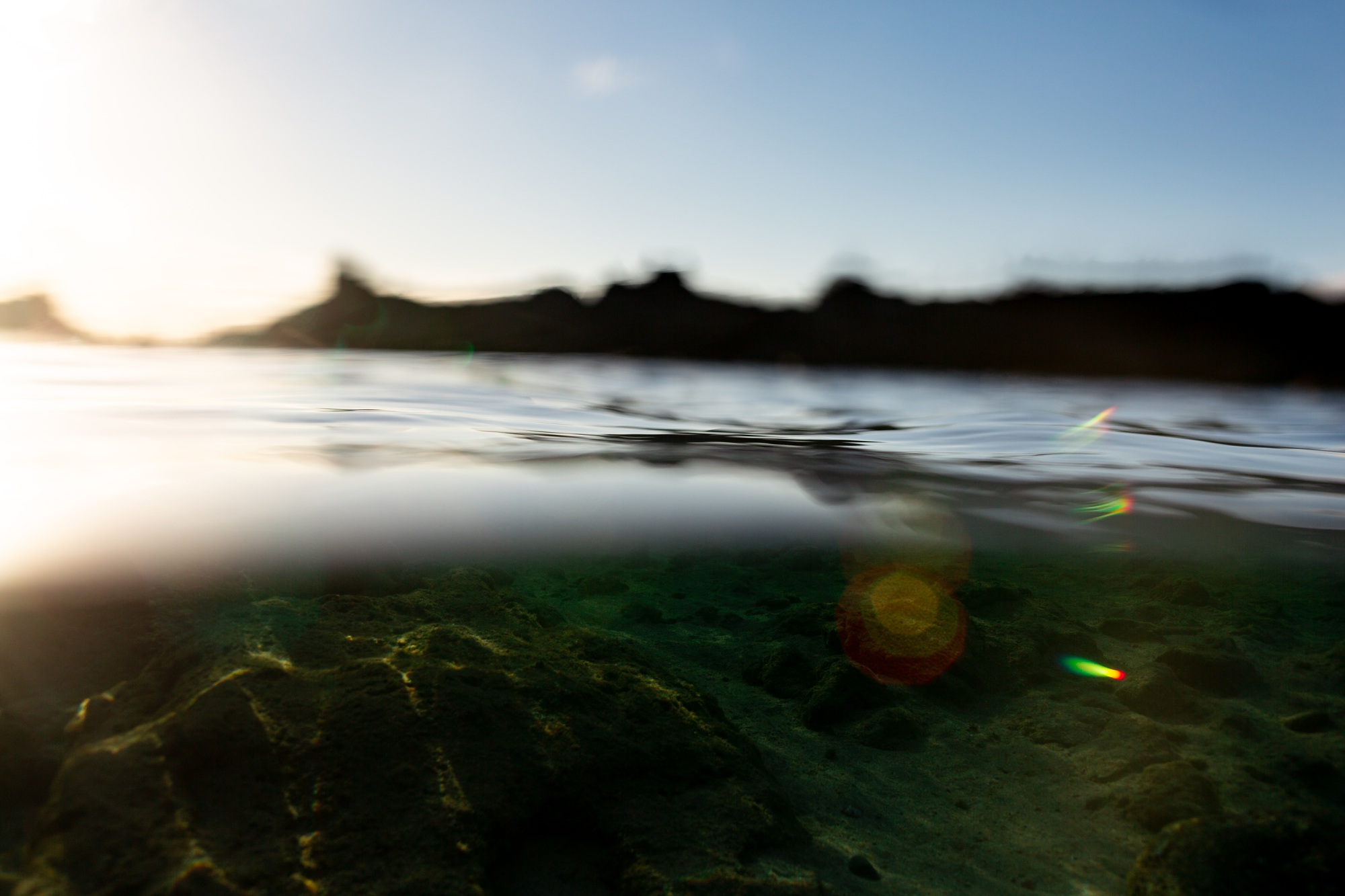
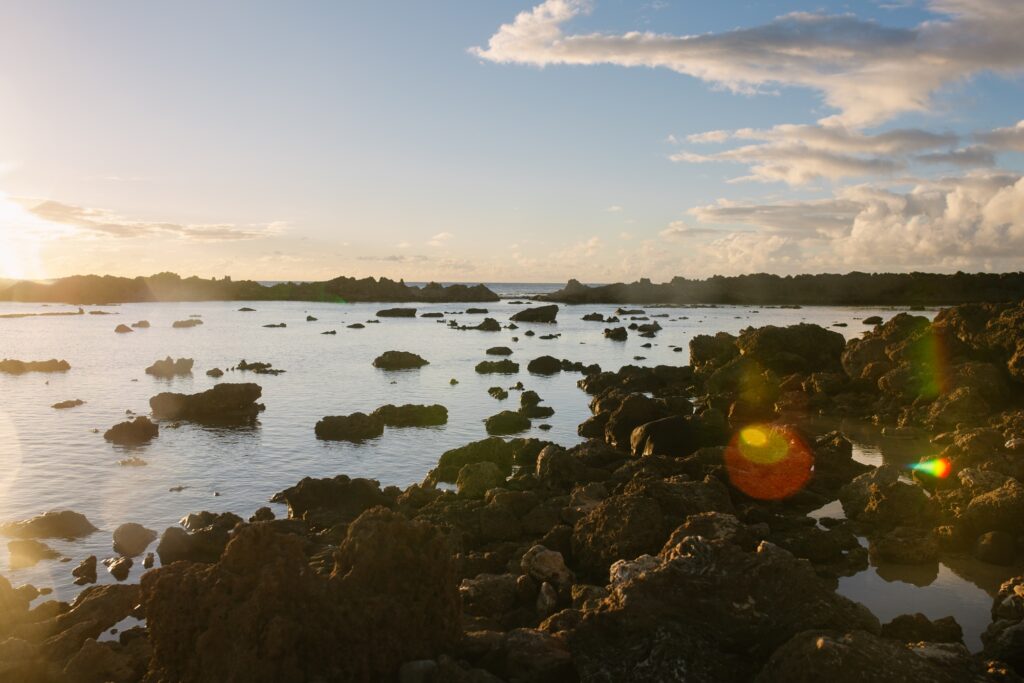
Sharks Cove is a protected lava rock cove on the North Shore that works as a toddler splash zone in summer and a serious snorkel destination for anyone ready to venture outside the reef. The inside is shallow enough to float and scan for scorpion fish and hermit crabs. The outside opens into 15 to 30 feet of water with turtles, diverse reef fish, and scuba divers trailing bubbles. Summer only — winter swells make the outside dangerous and can push heavy water through the inside too.
Inside the Cove
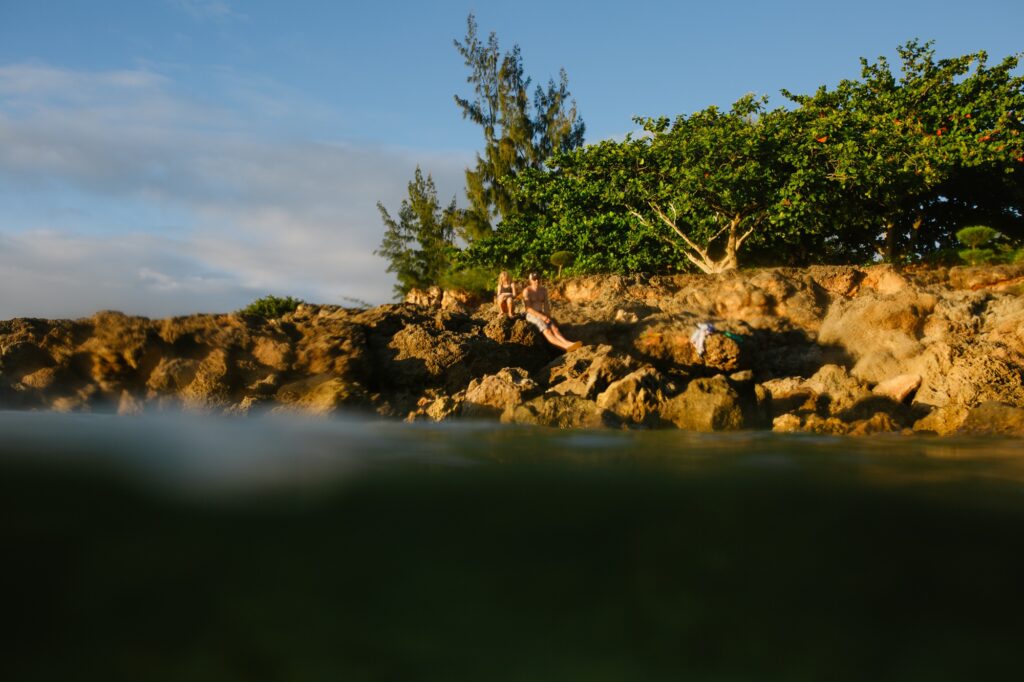
The inside of Sharks Cove is shallow throughout, which means you’re floating close to things rather than looking down at them from above. At high tide you get the most water to navigate and the most space to move around. Worth timing it if you can.
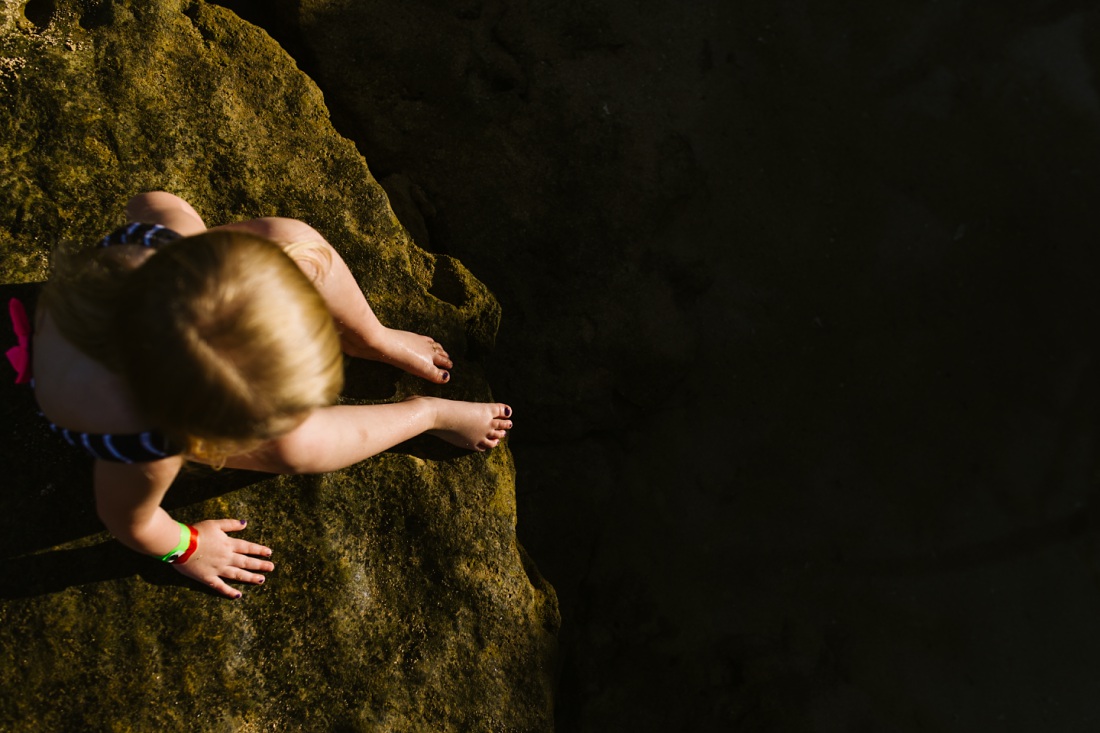
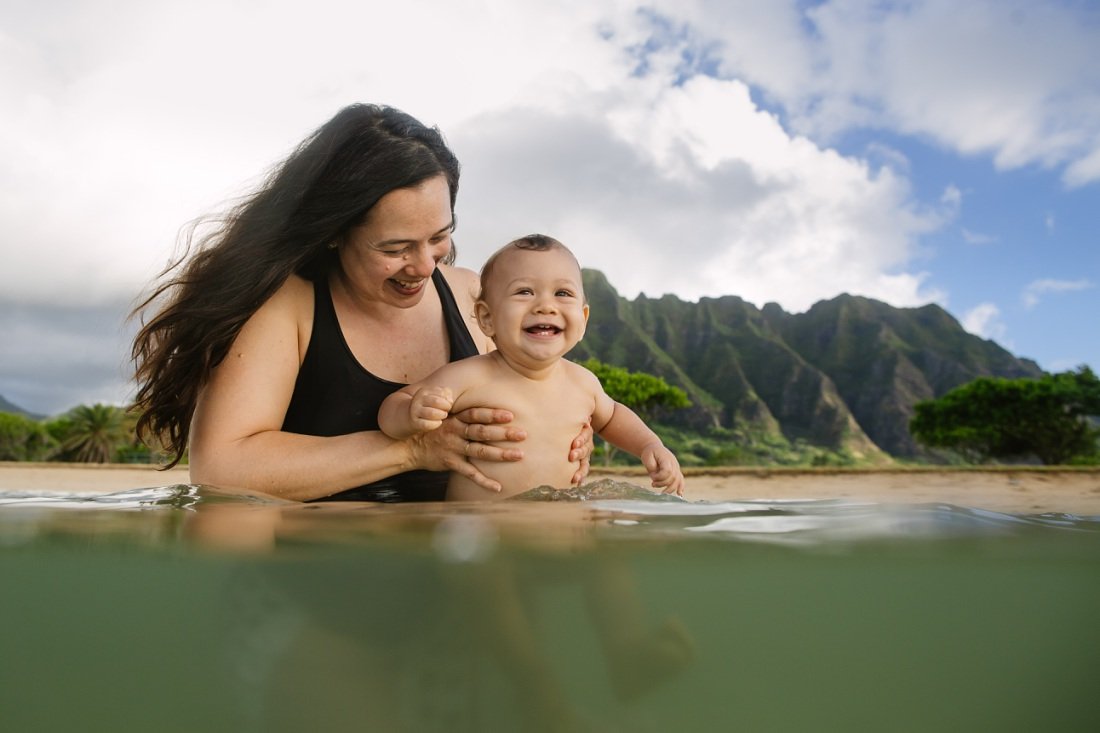
For families with small kids, the west side near the bathroom is where you want to be. There’s a sandy, shallow entry there, rocky ledges the kids will jump off approximately one thousand times, and enough hermit crabs in the shallows to keep a dip net busy for hours. On calm summer days it has a genuine party vibe. Lots of families, lots of happy chaos.
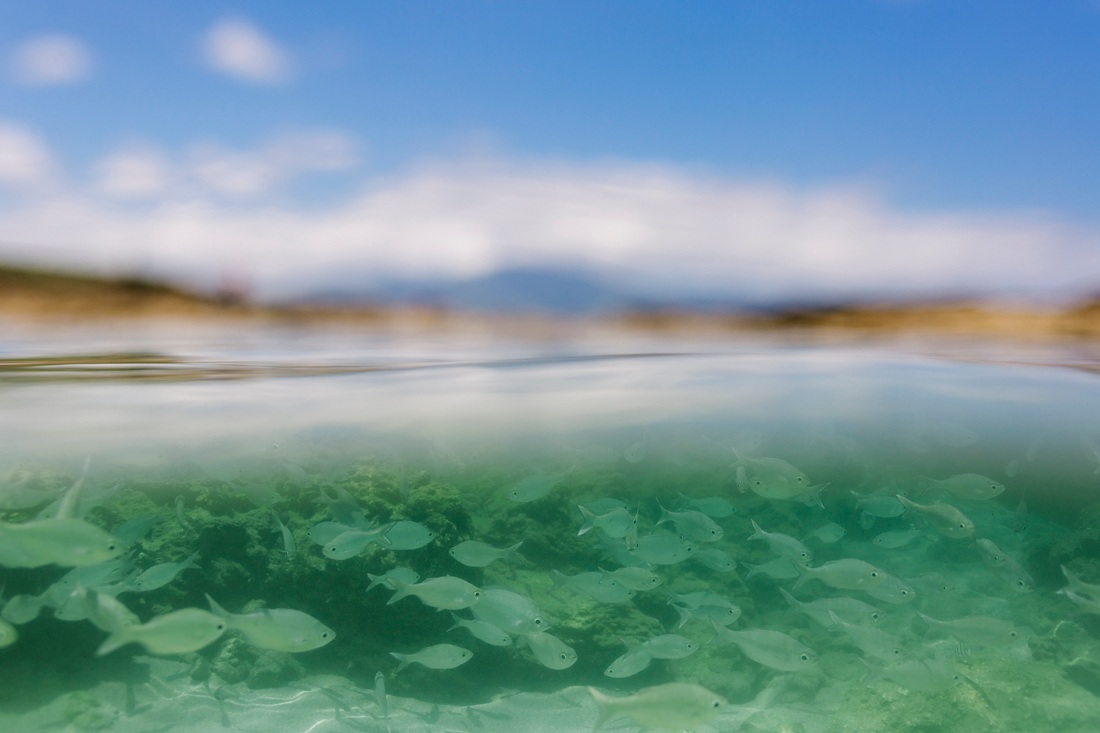
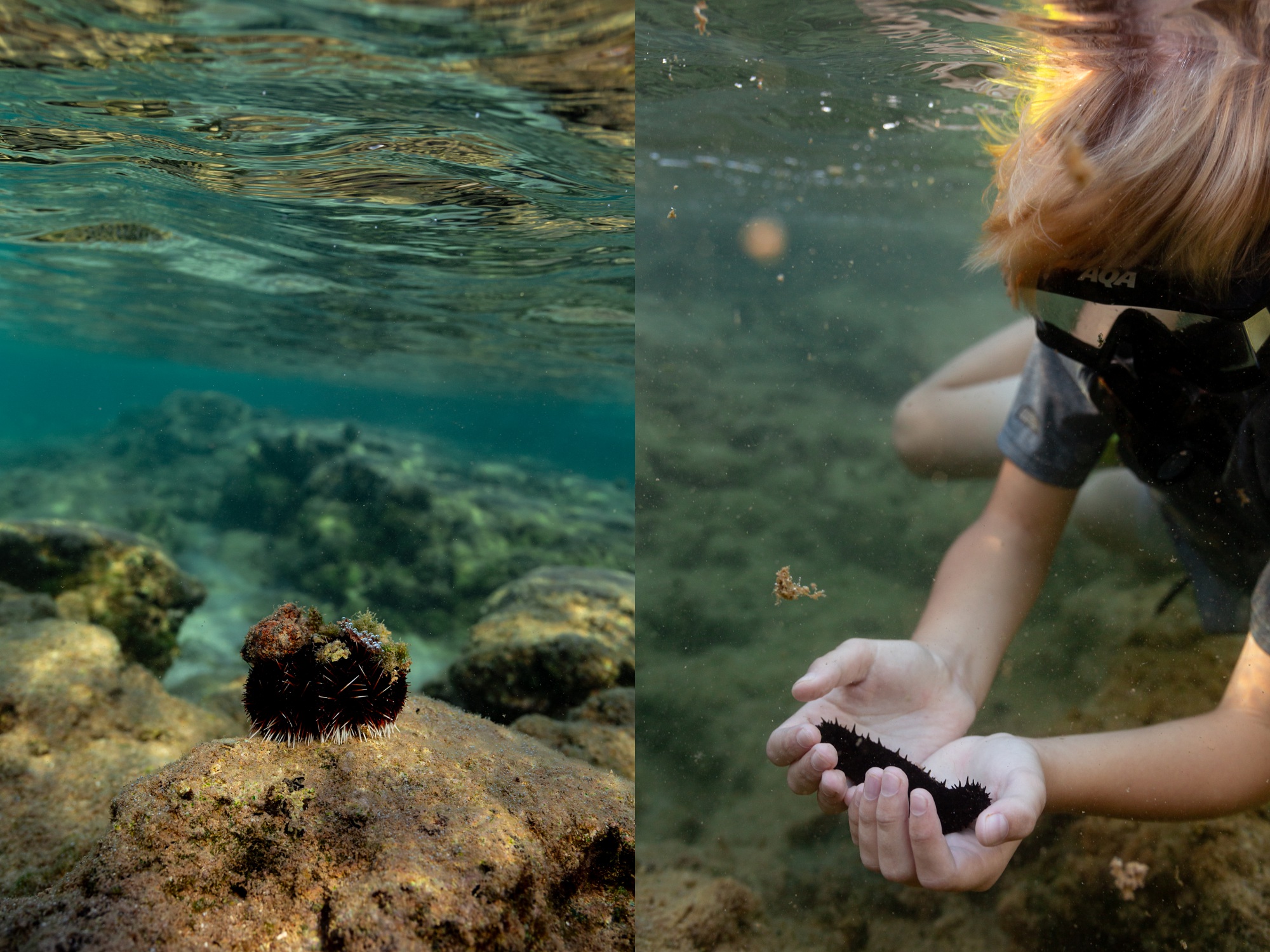
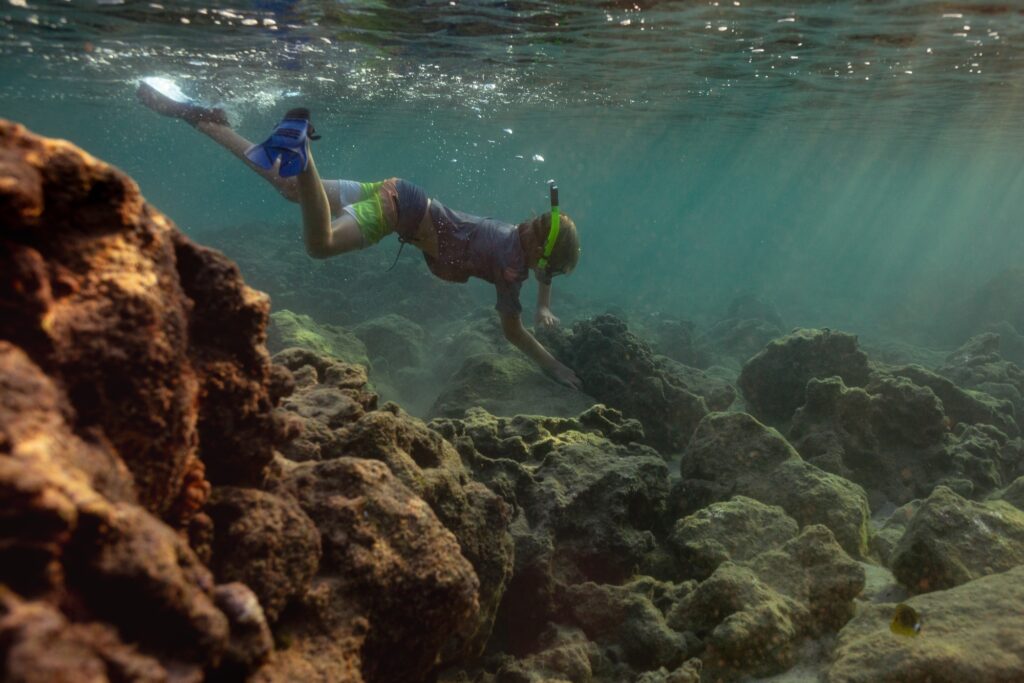
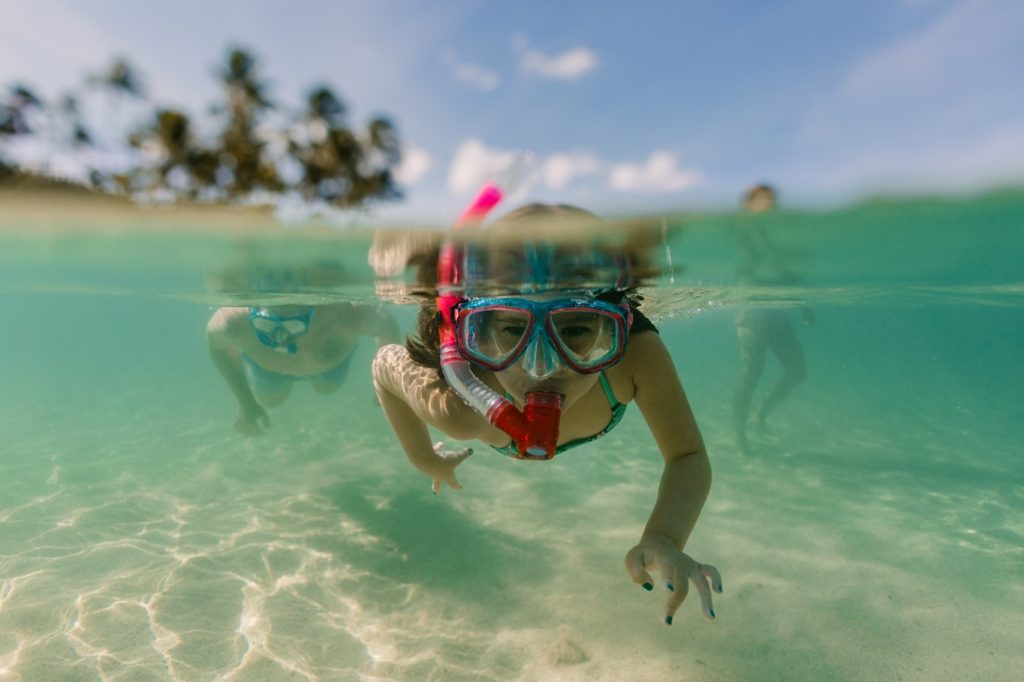
For anyone who wants to slow down and actually look at things, the inside rewards patience. Float still long enough and the fish stop noticing you. Watch (and listen) to colorful parrotfish munch the coral — they’re making sand, which is a fact that never gets old. Butterfly fish pair off while wrasses and chubs dart around seemingly unperturbed. If you’re lucky you’ll spot an eel peeking its head out, mouth agape. During the pandemic we had the whole cove to ourselves one evening and spent long stretches just tracking individual fish and watching their busy underwater lives. That’s the version of this place I think about most.
Outside the Cove: For Stronger Swimmers
The outside is a different experience entirely and it’s worth the effort if conditions are calm and you’re a confident swimmer.
The whole inside of the cove is a bit of a maze and depending on the tide, some paths to the outside may not be passable. You may have to walk over rocky sections to find an exit, which your feet (and the reef) won’t love. The eastern rocky end is your best bet. Watch the swells, walk out over the boulders until you can swim, time your entry with the waves and go quickly. It opens up fast.
As you swim out of the outlet, there’s a popular diving spot on your left that locals use constantly in summer. Continue out and go either direction. Go right for the best chance of finding turtles. Go left to connect with more snorkeling at Three Tables. The floor drops to 15 to 30 feet, so fish are further away than inside, but there are usually turtles and you can free dive for a closer look. Staying close to the reef edges gives you more critters to find. Scuba divers are common out here and there’s something deeply satisfying about floating in their rising bubbles.
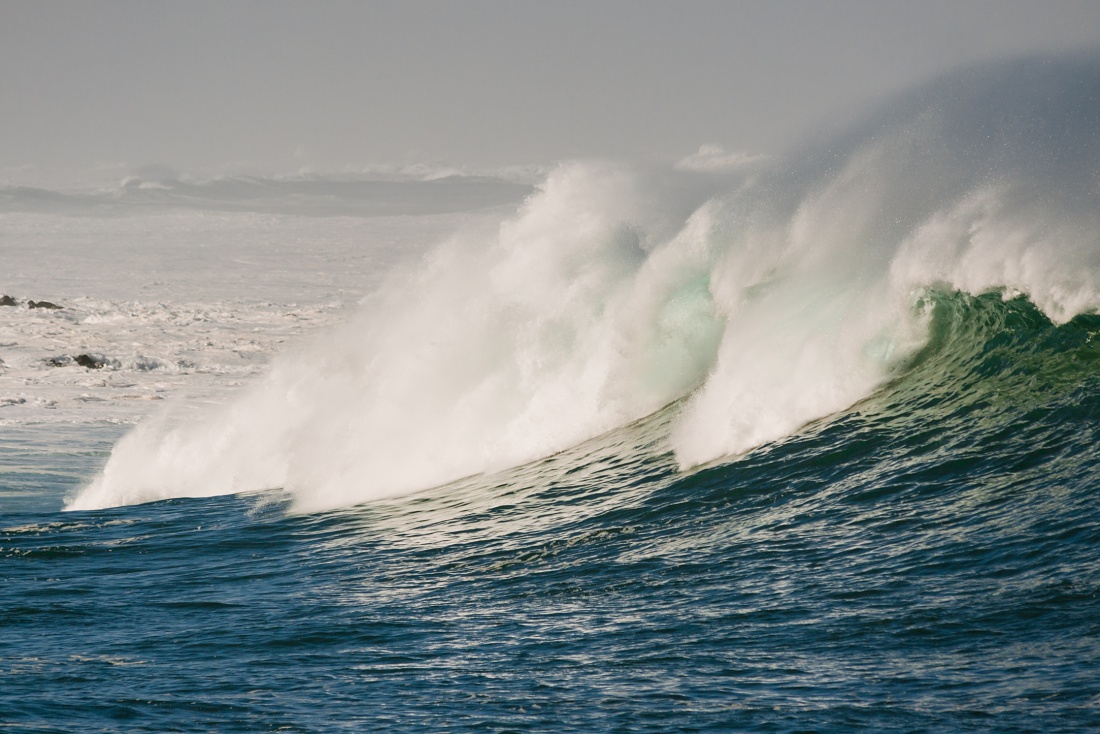
One note on conditions: what’s placid in summer becomes genuinely dangerous in winter. When big swells hit, the outside is impossible and even the inside can get rough enough to push you onto rocks and urchins. Check conditions before you go and don’t push it.
Winter Conditions
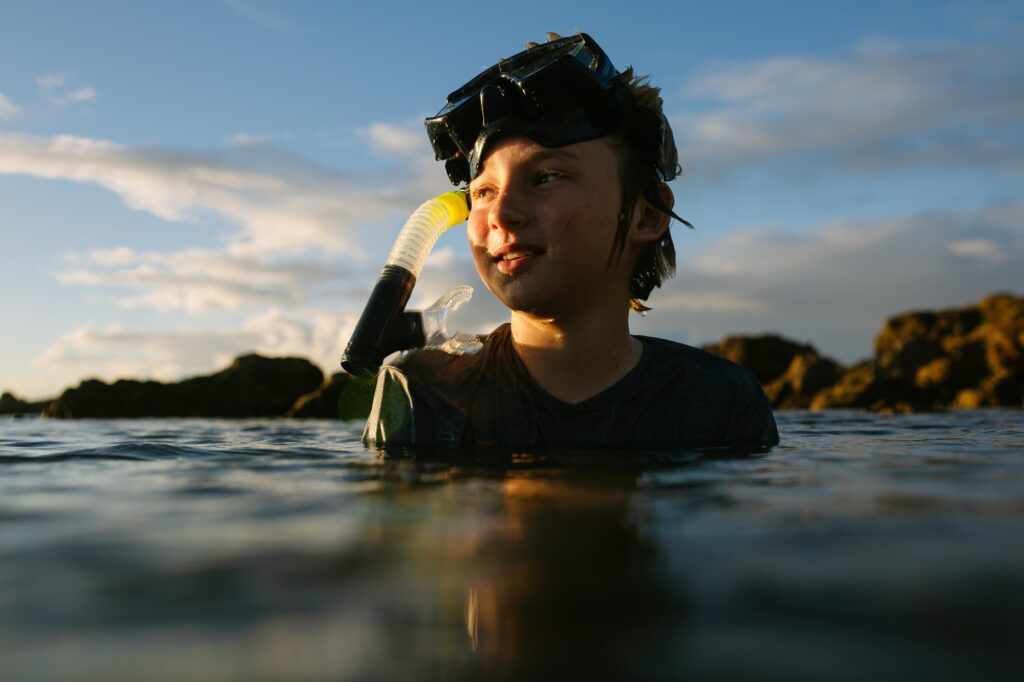
You can visit Sharks Cove in winter; just not when swells are crashing over the reef and into the cove. On a calm winter day the inside is still perfectly enjoyable. Problems arise when waves start crashing over the reef edge into the cove. We attempted to snorkel on one of those days, and regretted it. The surge inside was strong enough that you had to grab onto something — a rock, anything — to avoid being thrown around blindly in the froth. With sharp lava and urchins on every surface, that’s not a situation you want to be in. We got out.
Check the forecast before you go. If you arrive and waves are washing over the reef, don’t get in. The outside is off limits any time there’s significant swell.
How to Get to Sharks Cove
Sharks Cove is on the North Shore about an hour from Waikiki (longer midday and in peak summer traffic). Public parking, bathrooms, and outdoor showers are available. No lifeguard on duty — always check conditions and use your judgment.
Go early, ideally before 10:00 am and earlier in summer. The parking lot fills fast and the cove gets crowded by midday on weekends. Never turn your back on the ocean and watch conditions carefully with small kids.
What to Pack for Shark’s Cove
Water shoes. This is the one beach on Oahu where reef shoes are genuinely worth it if you’re exploring on foot. The lava rock is sharp, the entry requires scrambling over boulders, and if you’re exploring inside the cove you’ll be stepping on uneven surfaces throughout. Cheap ones from Foodland across the street work fine. Surf N Sea in Haleiwa has better options. Once you’re outside in deep water you don’t need them.
Snorkel gear. Bring your own if you have it. Foodland and Surf N Sea both stock basics if you need to pick something up.
For your valuables. Leave them at home or bring them and keep them dry. You will see stashes of belongings tucked into rocks all around the cove. A dry bag or zip-lock for your phone is worth it. Don’t leave anything in your car. Car break-ins happen on the North Shore.
A dip net and bucket. For small kids, mandatory. The hermit crab population inside the cove is very accommodating.
On sunscreen. Most sunscreen sold at drugstores and grocery stores contains chemicals that damage coral reef ecosystems. Hawaii banned several of them in 2021 for exactly this reason. They’re not great for humans either. Use reef-safe sunscreen and skip the aerosol entirely. You’re at a reef — it matters here more than anywhere.
Best Shark Cove Alternate Locations for Snorkeling – From a Local
If the cove is too crowded or conditions aren’t right, here are three solid alternatives.
- Waimea Bay. IIf parking is full at the cove there are private paid options near Waimea Bay. Snorkel along the edges of the bay for the most diversity. Dolphins visit occasionally in summer and squid and octopus are always hiding somewhere. Good for snorkeling during calm conditions.
- Electric Beach. The west side for a more adventurous, less crowded option. Best during calm weather.
- Paradise Cove. Tiny and not much diversity but usually calm with an easy entry, good for inexperienced swimmers. Turtles visit regularly in winter.
Where to Eat Near Sharks Cove
- Directly across from the cove is a cluster of food trucks. The lineup changes regularly but it’s easy to pop across the street after a snorkel session.
- Foodland next door is our go-to with bentos, poke, sushi, and sandwiches.
- Ted’s Bakery is famous for its chocolate haupia cream pie but also does a solid local style breakfast and lunch.
- Banzai Sushi for sushi and Japanese fare with traditional floor seating and an outdoor patio. Doesn’t open until 4pm.
- Wicked HI Cafe is a little out of the way but worth it. Fresh oven-baked pizza and local slushies after a beach day is a great combination. Next door to Paala kai bakery for famous snow puffies. I
More to Do Near Shark’s Cove
- Ehukai Pillbox Trail: a short climb to a colorful pillbox with panoramic North Shore views.
- Kaena Point: a coastal hike to the western tip of Oahu with albatross, monk seals, and whales in season.
- Sunset Beach: watch surfers take on world-class winter waves, or visit in summer when the same beach is completely unrecognizable.
- Haleiwa Town: shave ice, art galleries, surf shops, and a slow North Shore pace.
- Laniakea Beach: green sea turtles hauling out on the beach a short drive away.
- Pu’u o Mahuka Heiau: the largest heiau on Oahu, with panoramic bay views and genuine historical significance.
Family Photos on the North Shore
The North Shore light in the morning is unlike anywhere else on the island. If you want to see what a session up here looks like, you can find examples here and here. And if it looks like something your family would be into, here’s where to start.
Shark’s Cove FAQs
Q: Is Sharks Cove good for beginners and families?
A: Yes, in summer. The inside of the cove is shallow and protected, with a small, sandy entry on the west side near the bathroom that works well for toddlers and first-time snorkelers. Stay inside the cove if you’re a beginner or have small kids. The outside is for confident swimmers only.
Q: When is the best time to visit Sharks Cove?
A: Summer months, roughly May through October, when the North Shore surf is down. You can visit in winter on calm days but avoid the cove entirely when swells are washing over the reef. Go early on weekdays for the quietest experience.
Q: Is there parking at Sharks Cove?
A: Yes, there’s a public lot. It fills up fast in summer, especially on weekends. Aim to arrive before 10:00 am. Paid private parking options near Waimea Bay are a backup if the main lot is full.
Q: What should I bring to Sharks Cove?
A: Reef shoes, snorkel gear, reef-safe sunscreen, a dry bag for your phone, and a dip net and bucket if you have small kids. Foodland directly across the street sells reef shoes, dip nets, snacks, poke, and bentos.
Q: Do I need to bring snorkel gear or can I rent it nearby?
A: Bring your own if you have it. Ill-fitting masks are a safety issue. If not, Foodland directly across the street sells basic masks and snorkels, and Surf N Sea in Haleiwa has a better selection of gear and rentals.







Off The Beaten Path
Get my top ten list of spots in Oahu complete with photos + directions, so you know exactly what to expect. You’ll also receive ongoing adventures, beautiful images and happy updates. Escape to the islands once a month and learn exactly how to enjoy Hawaii like someone who raises their family here!
Get on the list