


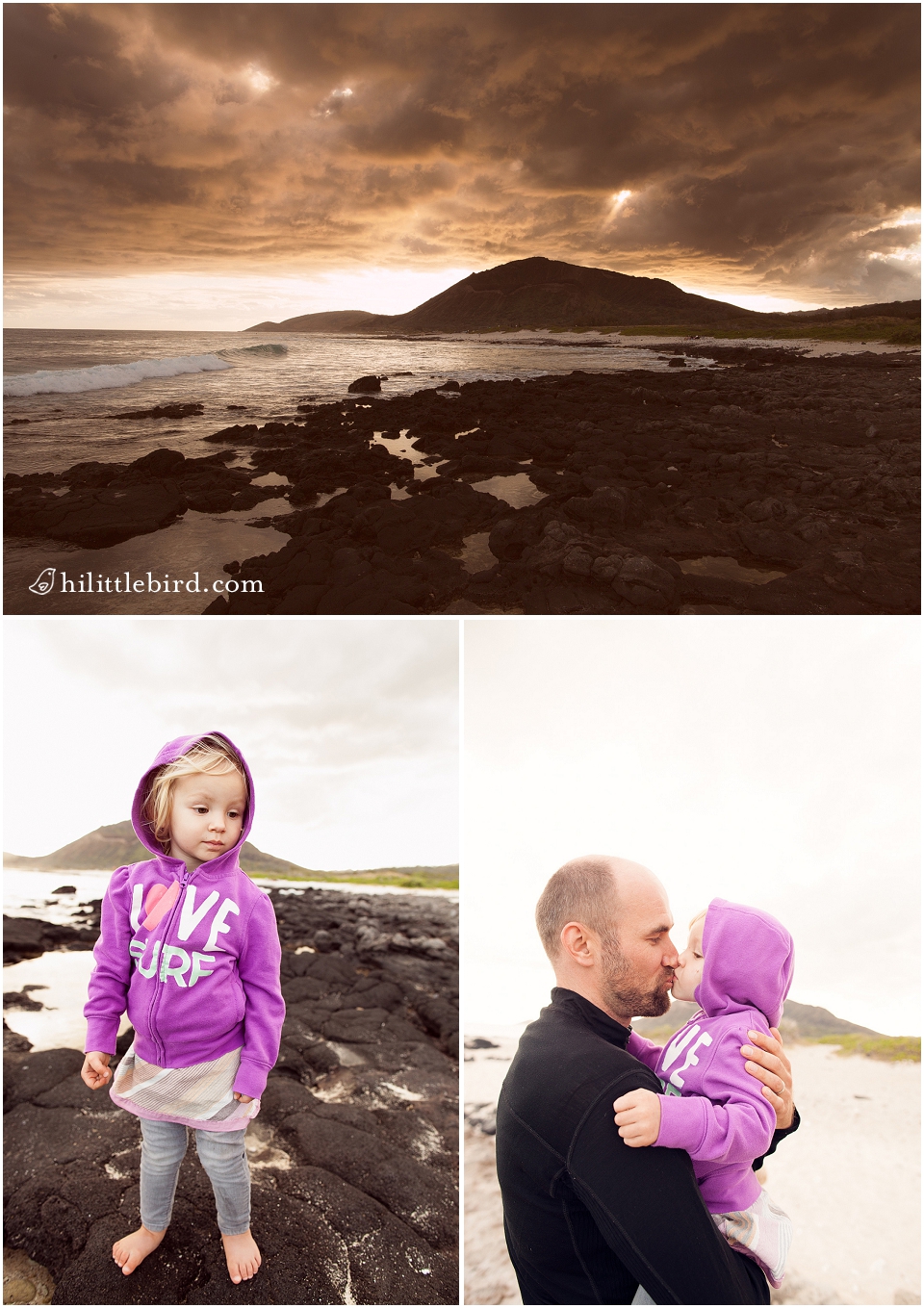
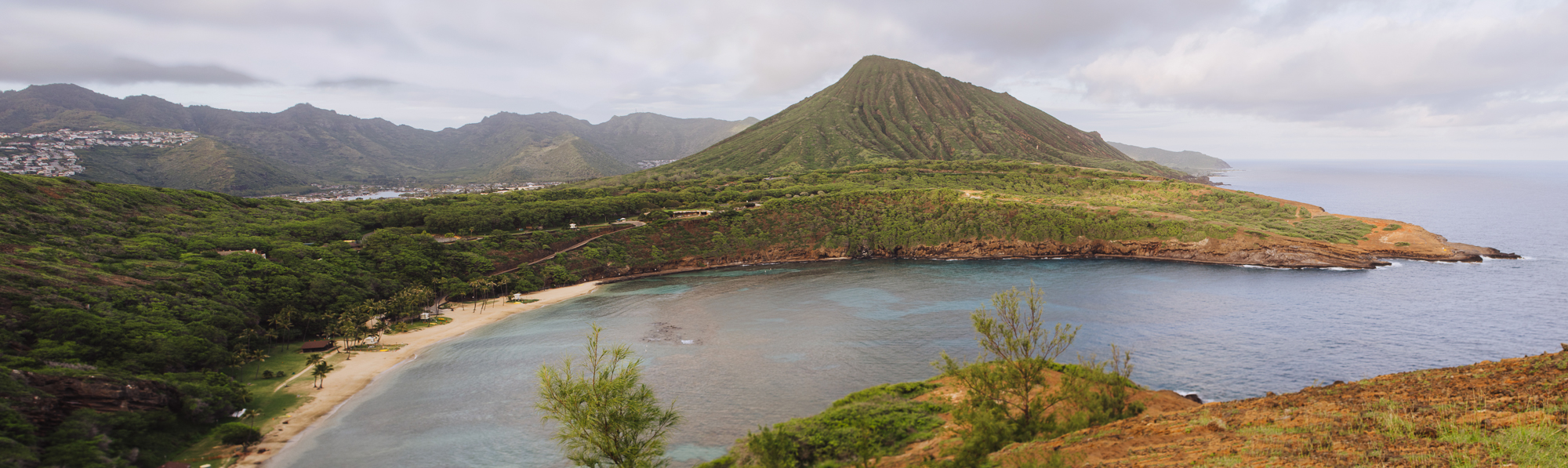
The Ka Iwi Shoreline Trail runs along Oahu’s dramatic southeastern coast, through one of the last stretches of native coastal habitat on the island. This section, accessed from the Kaloko end near Sandy Beach, is quieter and wilder than the Makapuu Lighthouse side. The coastline is raw lava rock and reef, the wind is real, and the vegetation is the kind of thing most people drive past without a second look. Those who stop find tidepools full of life, occasional monk seal sightings, whale watching in season, and the particular pleasure of having a beautiful place almost entirely to themselves.
A Stretch of Coast Worth Slowing Down For
I love the Ka Iwi Scenic Shoreline, so dramatic and beautiful. Plus there’s a lot of diversity in this nook of the island. There’s surf, swimming holes, family-friendly hikes, whale watching, and tide pools galore. All good stuff in my opinion.
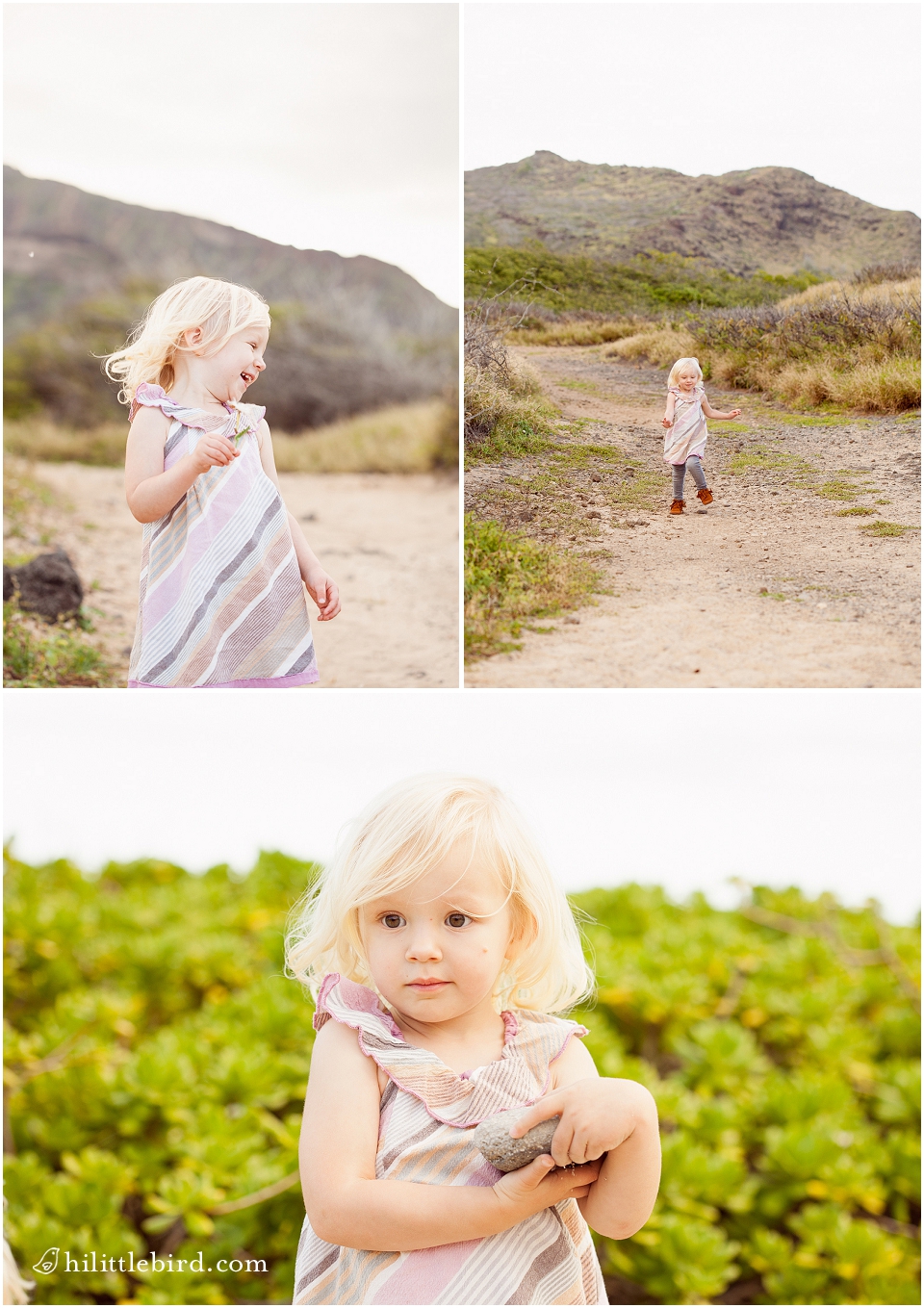
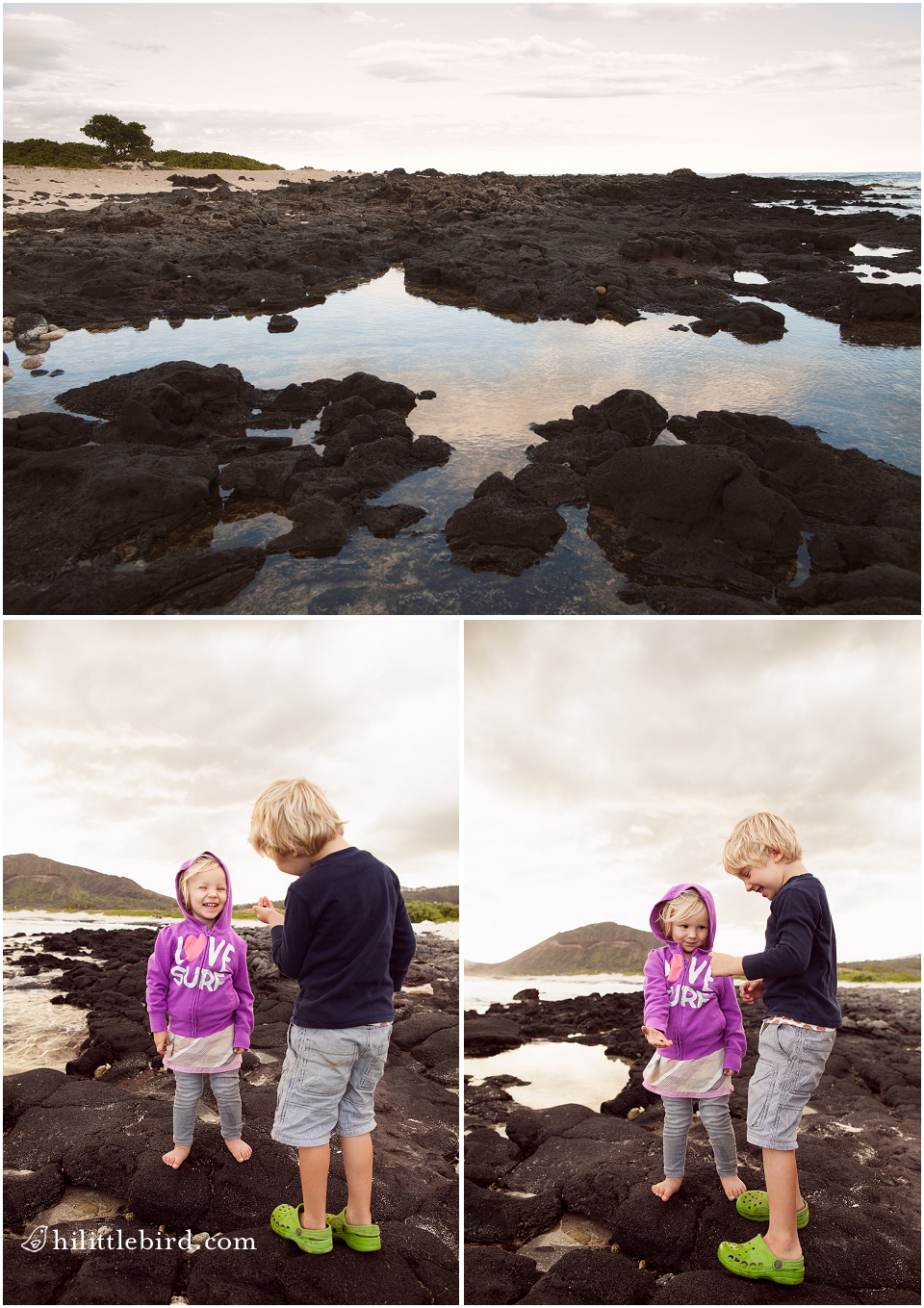
We had a couple of hours to spare, but were stumped on what to do. Too cold for the beach, not enough time for a real hike. We headed south and found ourselves in the stark beauty of the Ka Iwi coast.
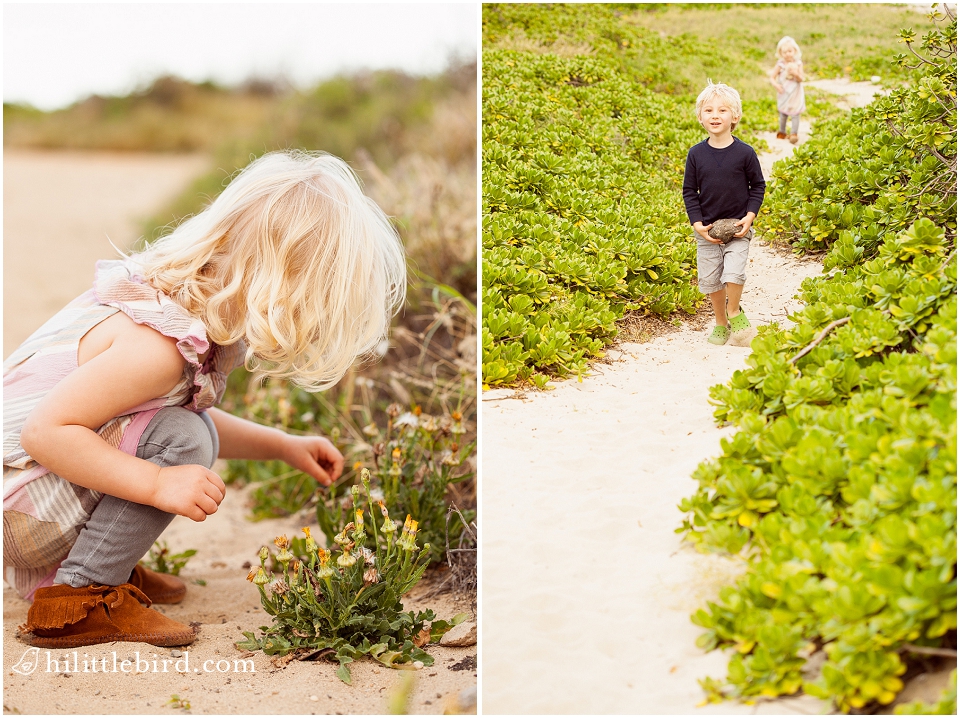
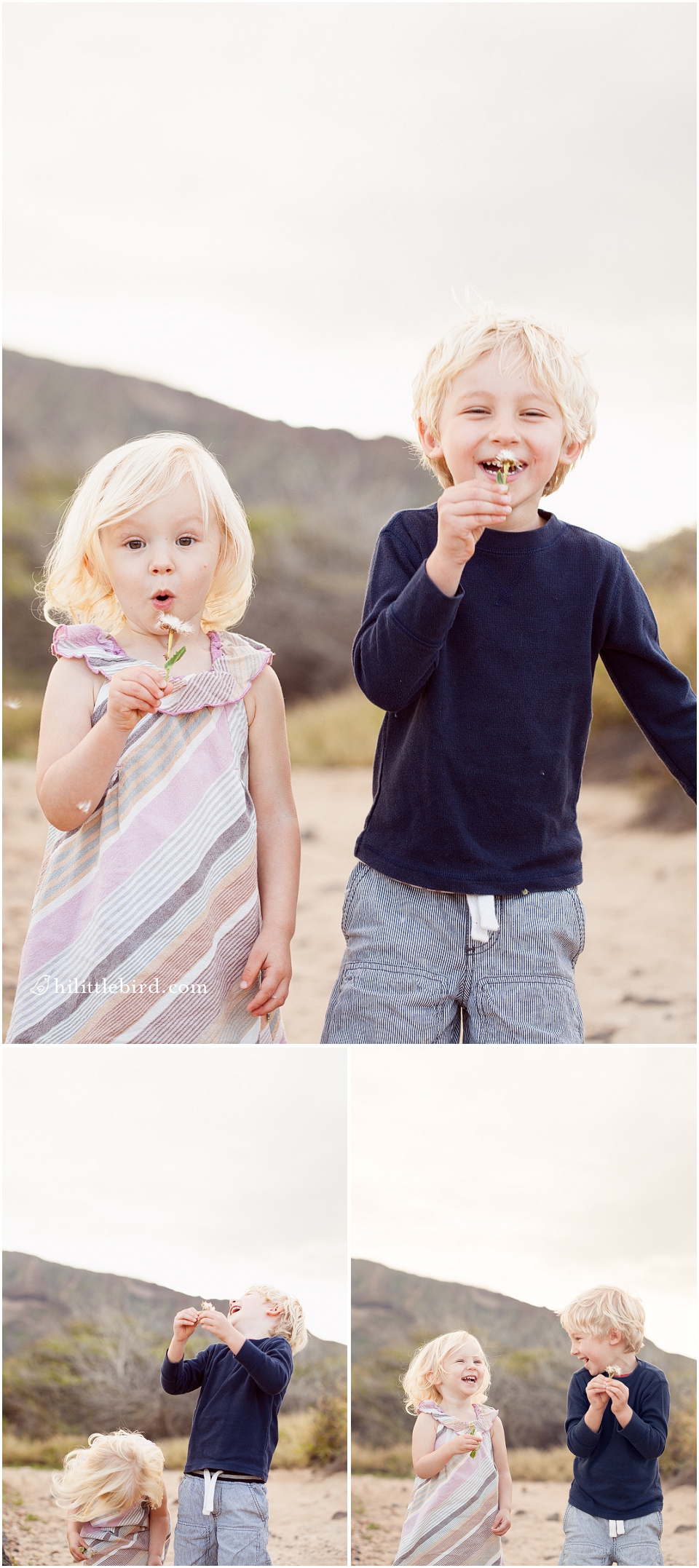
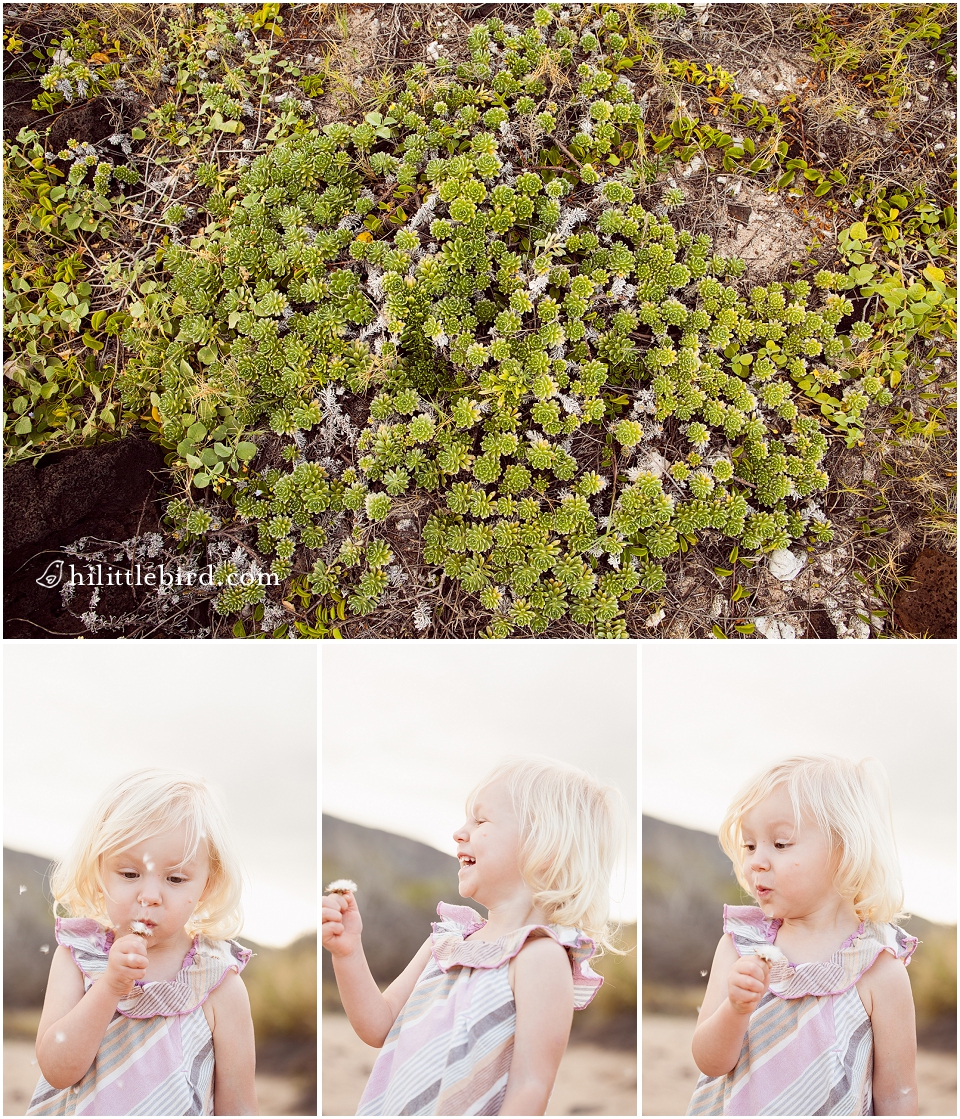
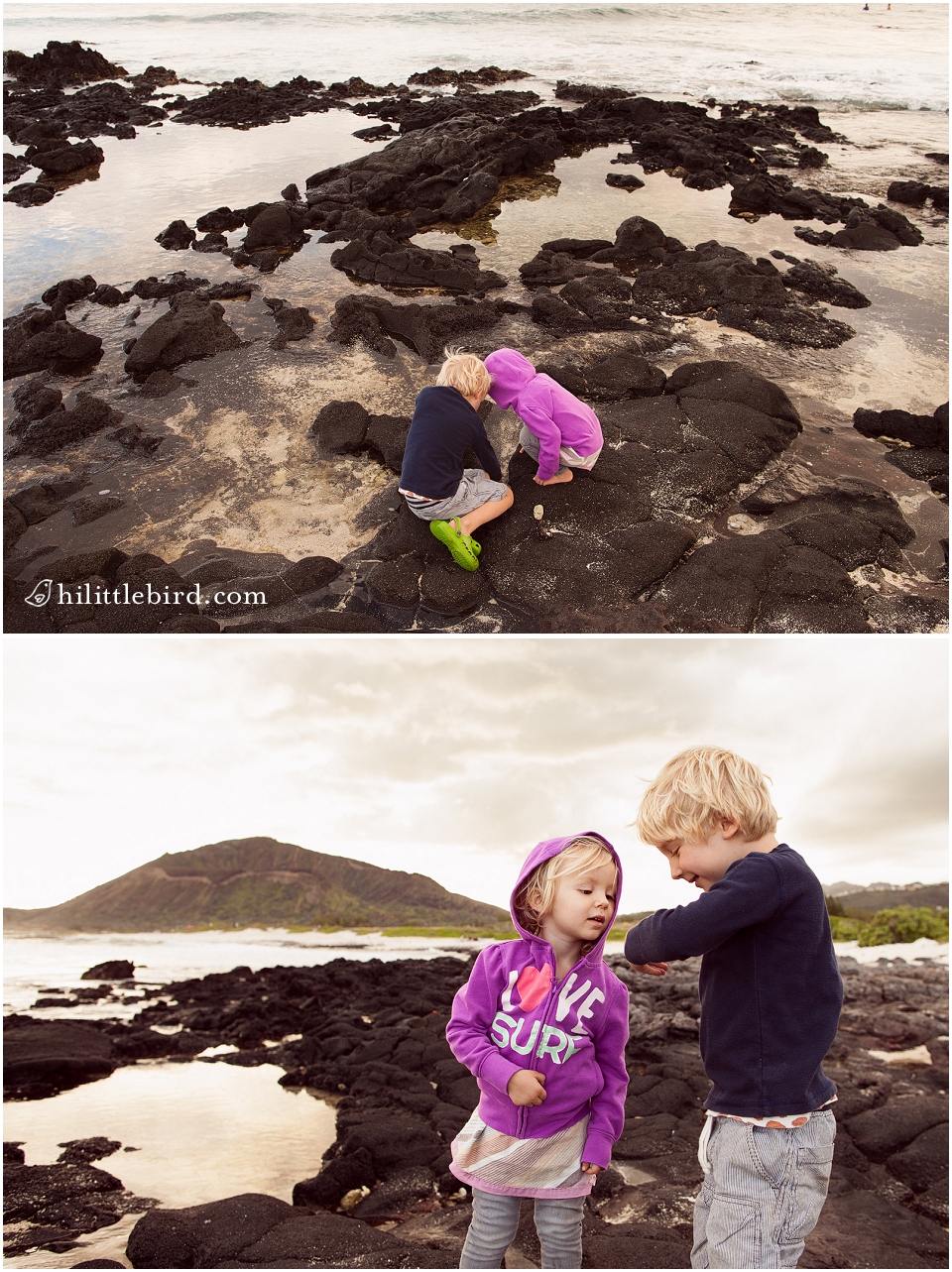
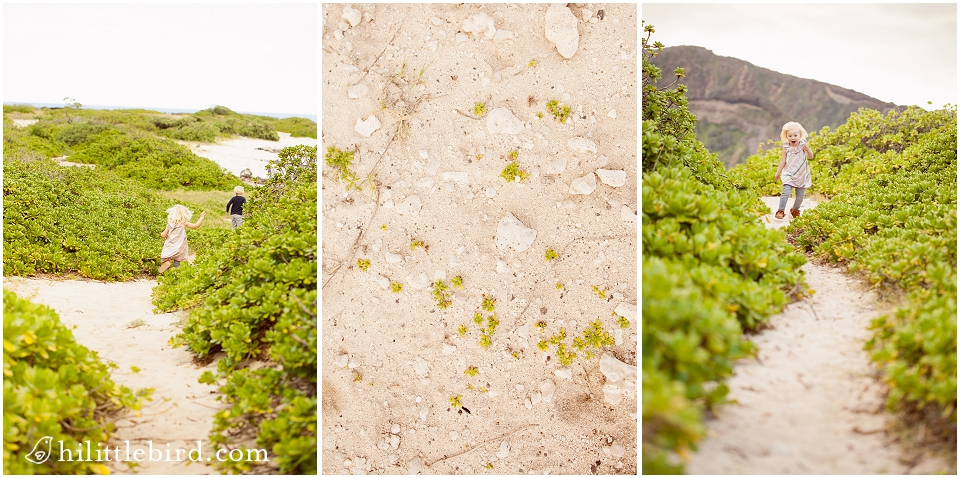
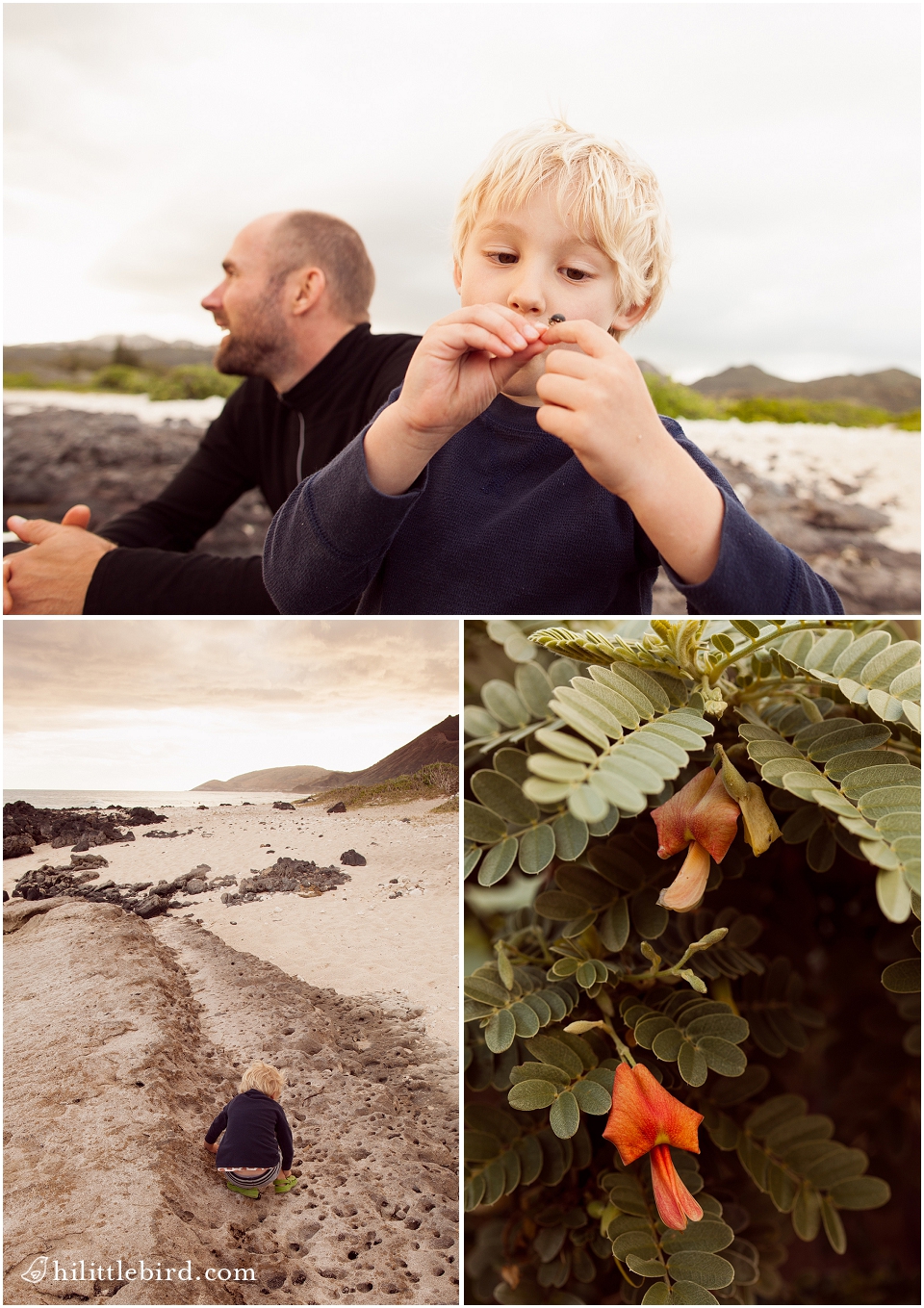
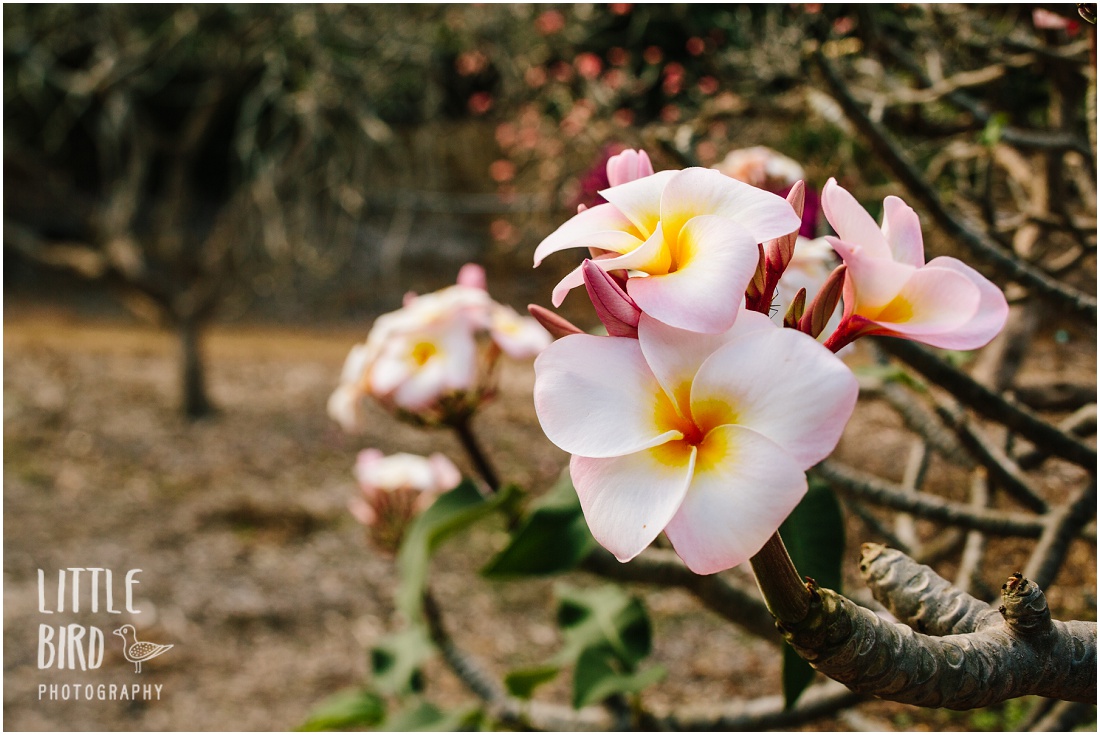
Our duo was in heaven. They loved racing up and down the sandy paths, picking up giant lava rocks and chunks of coral (and hugging them), and smelling flowers. We found some Sonchus in seed, which is a pretty good dandelion substitute. A fierce dandelion blowing competition ensued. Afterwards, we headed down to investigate the tide pools full of gobies and hermit crabs. We delighted in the sooty terns and other seabirds flying overhead and geeked out over the native coastal plants. We were apparently so enthusiastic that we got the kids excited too. Look! I found more nama! A tiny coastal herb with purple flowers. Next time, we’ll plan a longer visit linking to Alan Davis Beach and Pele’s chair.
One more thing worth knowing: every fall the Ka Iwi Coast Run covers about 4 miles of this shoreline at sunrise. You have to get up unreasonably early, it starts cold, and you will have regrets. Then the sun comes up over the coast and the waves are battering the cliffs below and the light is that particular warm gold and you wish you did it every year. It’s also a fundraiser for the protected coastline, which makes the early alarm easier to justify. Worth looking up if your timing is right.
Finding the Trailhead
The trailhead sits along Kalanianaole Highway on the ocean side of the road, between Sandy Beach and the Makapuu Lighthouse. There are two access points dropping off the highway into a rocky dirt parking area — neither is glamorous.
Coming from the south (Sandy Beach direction): the first entry comes up before the guard rail and drops off the road onto the lot. It looks more approachable but once you’re in you’ll hit some significant rocks. Park close to where you enter rather than trying to navigate across to the other side.
The second entry is near the guard rail and harder to spot from the road — the drop off the highway is steep and easy to miss. But the parking on that side is more manageable once you’re in.
No low clearance vehicles at either entry. Go slow on the highway — if you’ve passed the stoplight you’ve gone too far. No amenities, no signage, nothing that looks like a trailhead. Leave valuables at home. The lot is remote and car break-ins happen.
A Google Maps pin can help you locate it before you go.
The Hike
The trail follows the coastline east through native coastal scrub. It’s flat and relatively easy, though rocky underfoot in places and exposed to wind. In summer it gets hot. Morning or evening are the right times to be here.
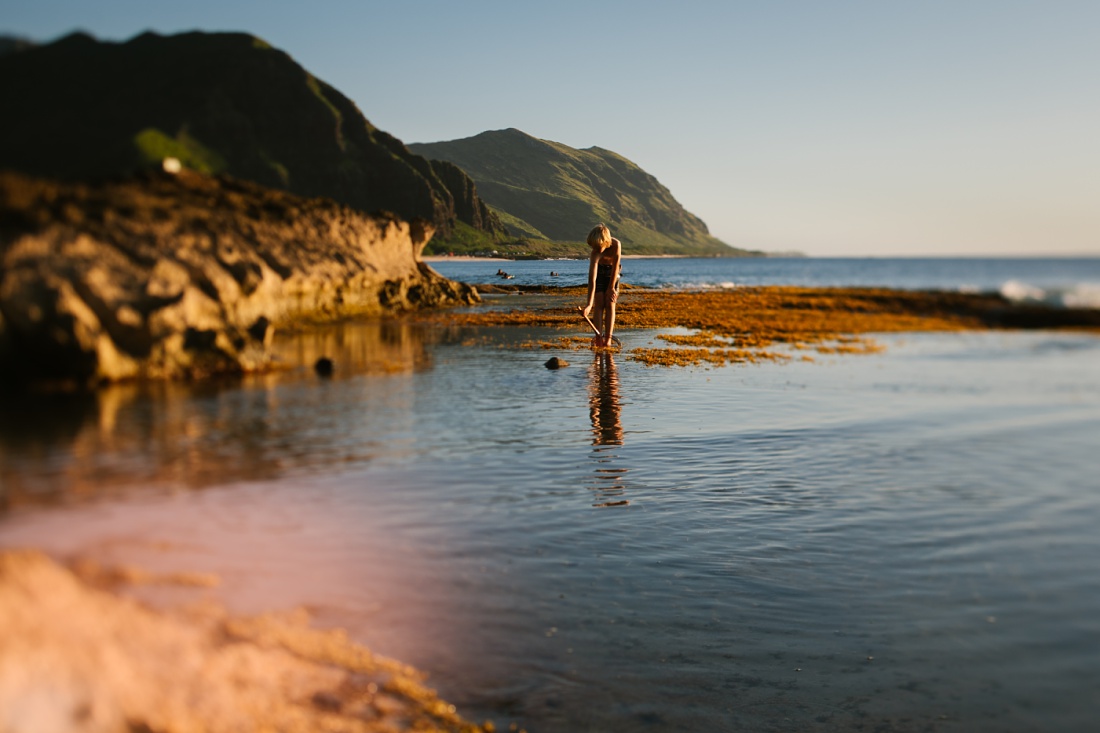
The coastline is lava rock and reef, so this isn’t a swimming beach in the traditional sense. Walk further along the trail and you’ll find more protected coves where a dip is possible when conditions are calm. The tidepools are the real draw: full of hermit crabs, gobies, and enough life to keep kids occupied for longer than you’d expect. Some pools are deep enough for a toddler to submerge, which is either delightful or alarming depending on the toddler.
Watch for monk seals hauled out to rest on the rocks. Give them space (50 feet minimum, more if they seem agitated). From November through May, humpback whales are visible offshore.
Dogs are allowed on leash.
The Plants
What makes this stretch of coastline worth slowing down for is the vegetation. The Ka Iwi coast is one of the few places on Oahu where native coastal plants still grow in something close to their natural state. Most people walk past without recognizing what they’re looking at. I spent years studying these plants in graduate school and this trail still feels like visiting old friends.
Watch for pāʻūoHiʻiaka, the delicate blue-flowered coastal morning glory named after Pele’s sister, threading along the ground. Hinahina, the silvery coastal heliotrope, catches the light in a way that stops you if you’re paying attention. And if you catch a honey-sweet fragrance with no obvious source, look for iliahialoʻe, the coastal sandalwood — one of the rarer native plants on the island and one of the most quietly beautiful things about this trail. If you’re lucky, you might spot ʻohai, a native sesbania with reddish-pink flowers that like to hide in the silvery foliage. It’s one of the most endangered coastal plants in Hawaii and a genuinely rare find. Also keep an eye out for nama, maʻo, and ilima along the way.
What to Bring
The non-negotiables. Water and reef-safe sunscreen. The trail is exposed with no shade and the wind makes it easy to underestimate the sun. No aerosol spray: on a windy coastal trail, everyone around you inhales it.
On footwear. The terrain is rocky and uneven. Slippers work but sturdy shoes are better, especially if you’re exploring the tidepools. No barefoot hiking here.
For little kids. Snacks. A dip net and bucket for the tidepools. This is a good place to lose an hour looking for hermit crabs.
For your valuables. Leave them at home. The parking area is remote and car break-ins happen. Bring only what you need.
Explore More of the Ka Iwi Coast
The Ka Iwi Shoreline connects to several other spots worth knowing about on this stretch of coast. To the north, the Makapuu Lighthouse Trail is the most popular hike on this side of the island, with whale watching views and a paved path to the summit. From the same trailhead you can detour to Alan Davis Beach, a protected cove that’s one of the best-kept secrets on the southeastern coast, or descend to the Makapuu tide pools when the swell is down. To the south, Sandy Beach is worth a stop even if you’re not swimming — the shorebreak is some of the most powerful on the island and worth watching from the sand. And just up the road, Halona Beach Cove is one of those places that stops you in your tracks the first time you see it.
Family Photos Along the Ka Iwi Coast
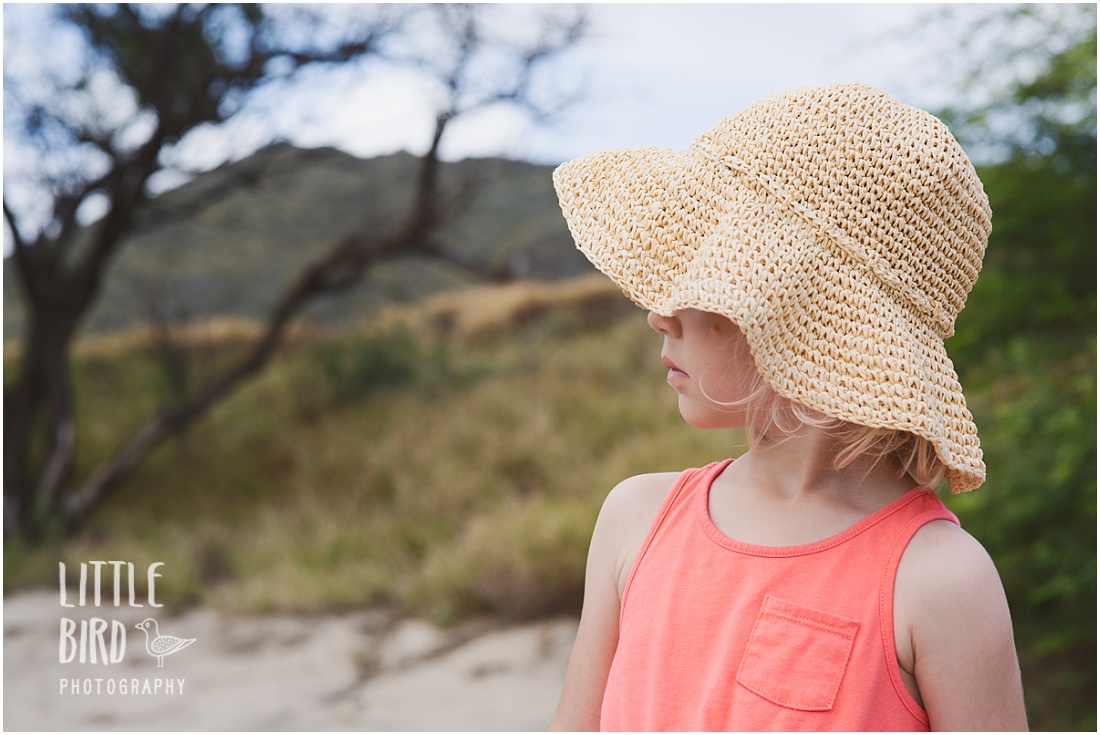
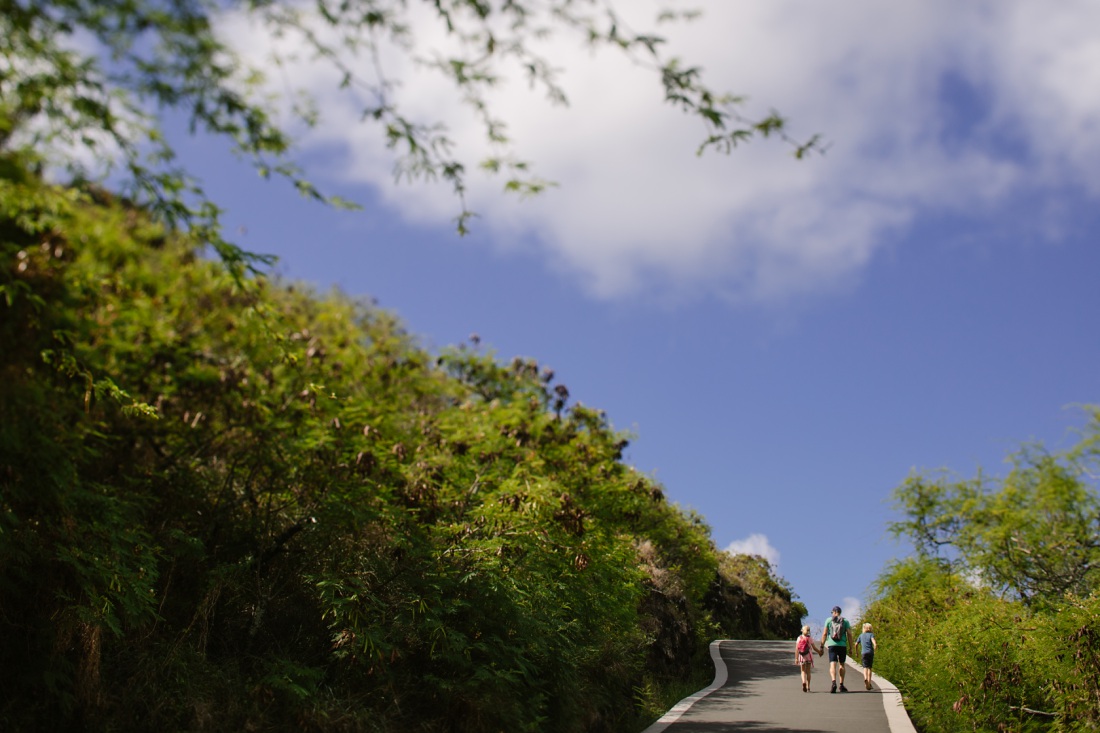
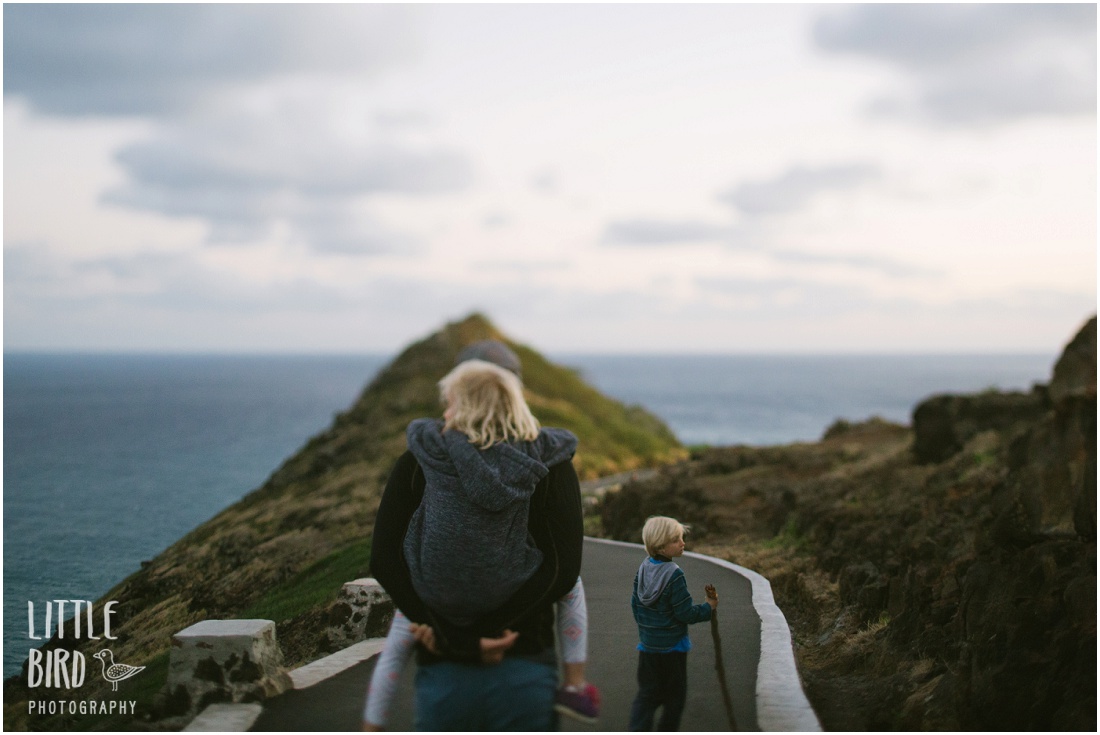
This stretch of coastline is some of the most dramatic on the island for sessions. The light in the evening is warm, the landscape is wild, and there’s almost nobody else around. Makapuu Beach Park just up the road is one of my favorite spots. If you want to see what a morning there looks like, you can find sessions here, here, and here. And if it looks like something your family would be into, here’s where to start.
Ka Iwi Shoreline Trail FAQs
Q: Where is the Ka Iwi Shoreline Trail trailhead?
A: The Kaloko trailhead is along Kalanianaole Highway on the ocean side of the road, between Sandy Beach and the Makapuu Lighthouse. Look for a gap in the guard rail and a rough dirt pullout that drops steeply from the highway. It’s easy to miss — go slow. If you reach the stoplight, you’ve gone too far.
Q: Is the Ka Iwi Shoreline Trail good for families?
A: Yes, with some caveats. The trail is flat and easy but rocky underfoot and fully exposed to wind and sun. There are no amenities and the parking area is rough. Little kids will love the tidepools. The coastline is lava rock and reef so it’s not a swimming beach, though there are some protected coves further along the trail.
Q: Can you swim at the Ka Iwi Shoreline?
A: Not at the main beach area, which is lava rock and reef. Walk further south along the trail and you’ll find more protected coves where a dip is possible when conditions are calm. Some tidepools are deep enough for toddlers to splash in.
Q: Are dogs allowed on the Ka Iwi Shoreline Trail?
A: Yes, on leash. The Kaiwi Coastline is one of the designated dog-friendly stretches of shoreline on Oahu.
Q: Can you see whales from the Ka Iwi Shoreline Trail?
A: Yes, from November through May. Humpback whales pass offshore regularly during season. The trail is also a good spot to watch for monk seals hauled out on the rocks. Give seals at least 50 feet of space.

Leave a Reply

Off The Beaten Path
Get my top ten list of spots in Oahu complete with photos + directions, so you know exactly what to expect. You’ll also receive ongoing adventures, beautiful images and happy updates. Escape to the islands once a month and learn exactly how to enjoy Hawaii like someone who raises their family here!
Get on the list






What a beautiful pictures Heather. We love them.